CUSTOM PROJECTS
Custom Nose Strips for Sleep, Sports and Wellness Brands
Athena supports brands developing custom nose strips for sleep, sports, and everyday nasal-breathing applications. Product development can cover the surface material, strip dimensions, support structure, adhesive strength, edge shape, color, scent, printed branding, pack count, and retail packaging.
Each project should begin with the intended user and wear conditions. Sleep-focused products generally prioritize material softness, stable overnight adhesion, and gentle removal, while sports-focused products require secure retention under sweat, facial movement, and high-humidity conditions.
Available Materials: Non-woven fabric, cotton, satin, and other confirmed material options
Applications: Sleep, sports, and general nasal-breathing support
Customization Focus: Support structure, adhesion, dimensions, appearance, branding, and retail packaging

PRODUCTS
Athena Performance Breathing Strips – Sweat-Resistant & Hypoallergenic
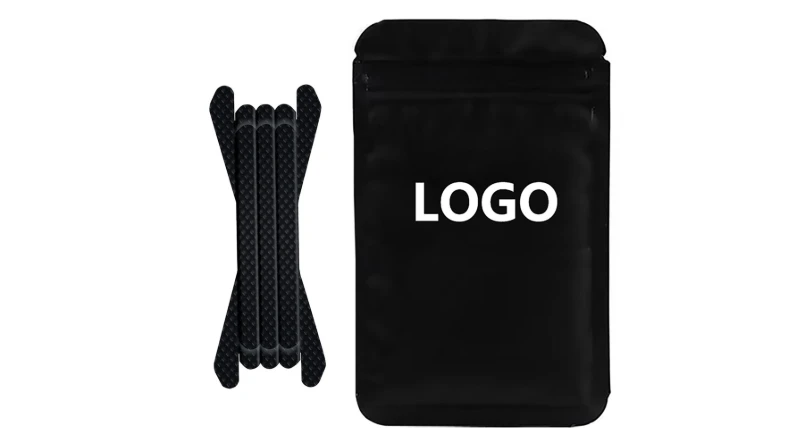
Sports Nose Strips
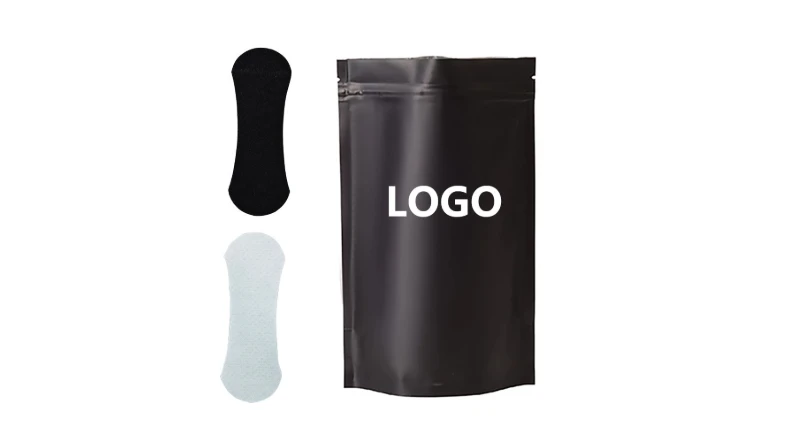
Nasal Strips for Sleeping
Build Your Next Best-Selling Nose Nasal Strips Line.
Contact us today to receive a complete sample kit of our series and a customized solution proposal.
HOW IT WORKS
How Nasal Strips Work
A spring-like support layer gently lifts the sides of the nose, helping open the nasal passages and support smoother airflow.
Lift Mechanism
A flexible support layer creates a light upward and outward lift, helping open the nasal passage area without entering the nose.
Airflow Support
For mild or temporary nasal resistance, an external nasal dilator may help users feel easier airflow through the nose.
Fit & Comfort
Adhesive strength, material softness, strip shape, and edge design all affect hold, comfort, and removal experience.
Design Note
This adhesive breathing strip is not designed to treat sleep apnea, severe sinus problems, throat-based snoring, or structural breathing disorders.
Get Product Design Support
WHY ATHENA
Why Brands Choose Athena for Nose Strip Manufacturing?
Flexible & Scalable Production
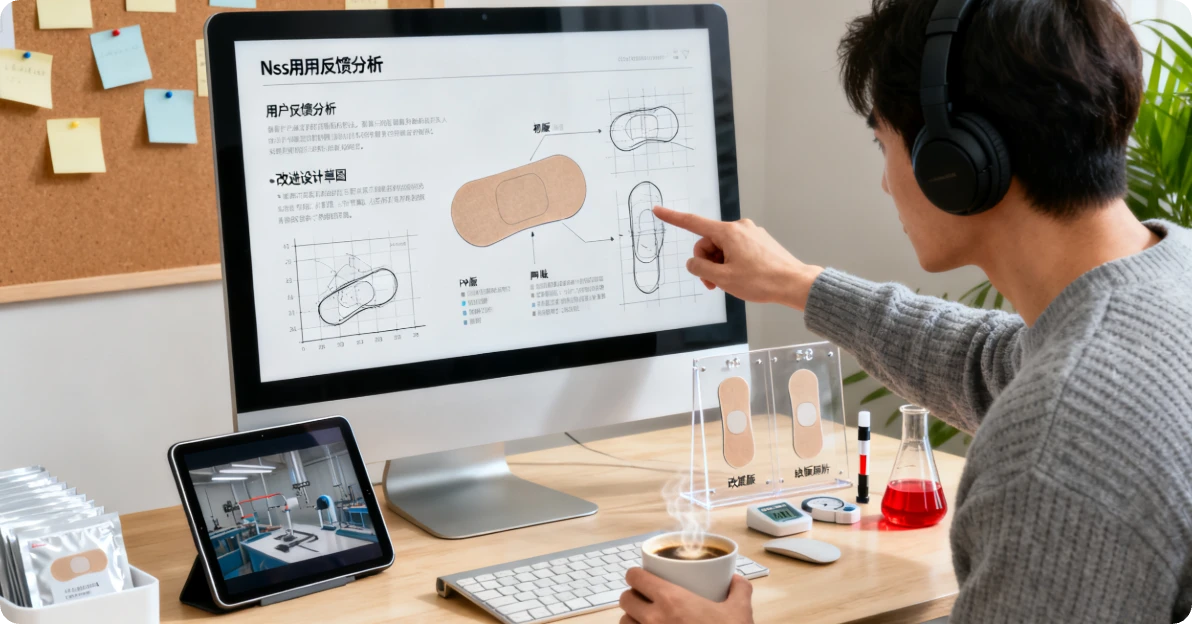
Large-Scale Production Advantage

Full Traceability Control
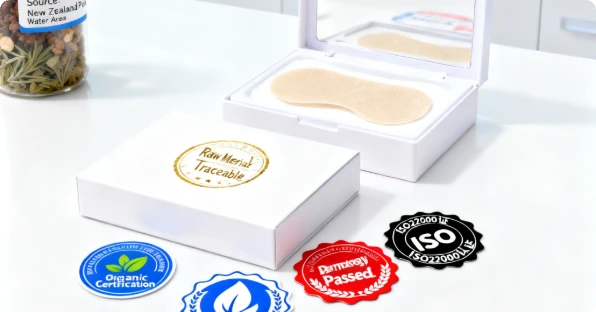
Discuss Production Needs
CUSTOMIZATION
Full-Service OEM/ODM Nasal Strip Customization
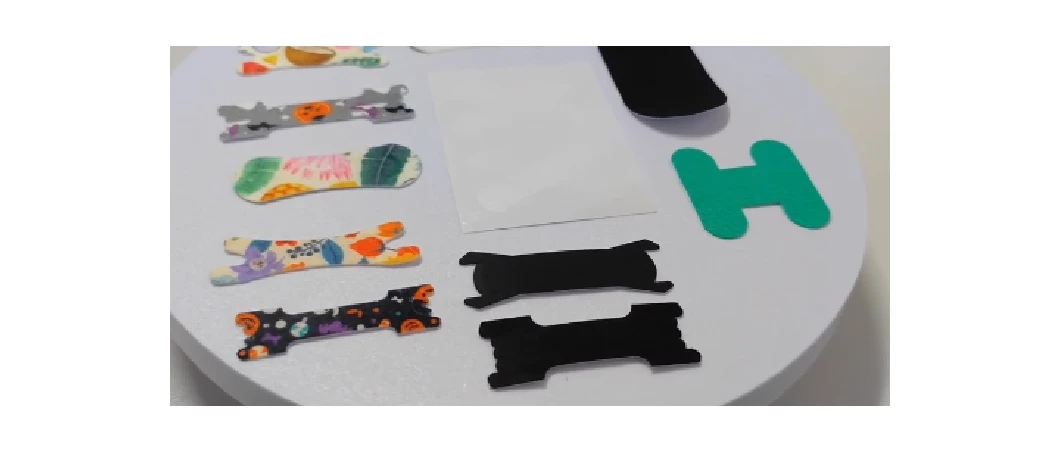
Custom Shape Options
Size customization (length, width, center bridge ratio)
Edge structure options (straight, wave, round, angled)
Support strip quantity & layout
Surface color and material selection
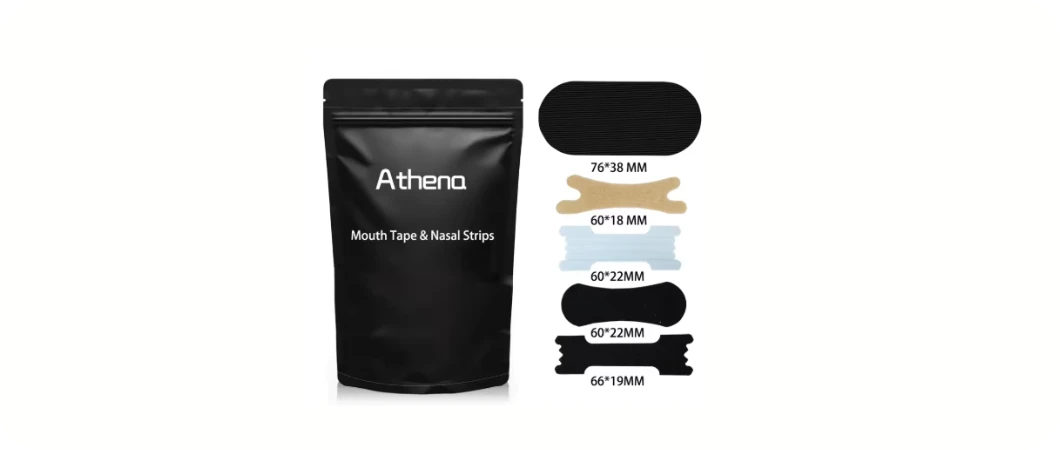
Custom Packaging
Packaging Type: PE pouch
Size: 20 × 20 × 5 cm
Quantity: 30 / 60 pcs per pouch
MOQ: ≥50
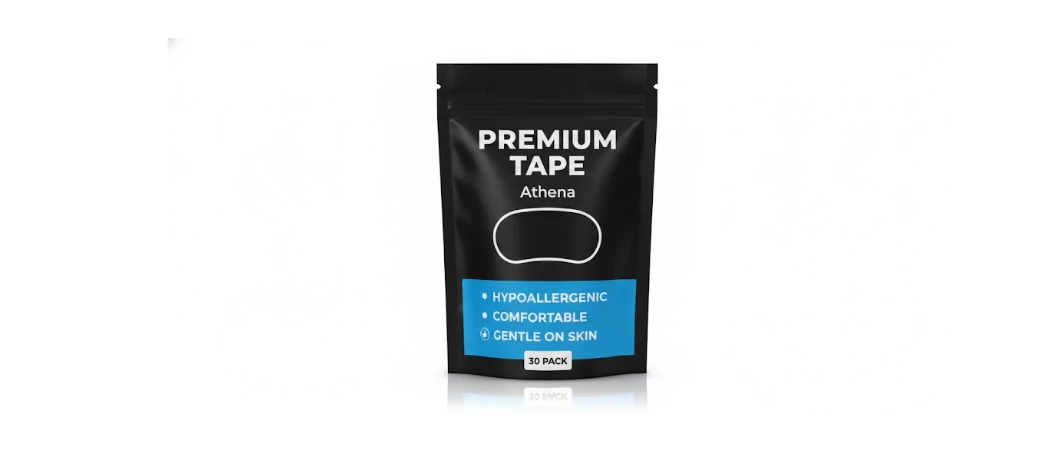
Custom Logo & Branding
Logo + brand name
Slogan / functional highlights
Regulatory information (CE / FDA / ISO)
Multilingual versions supported
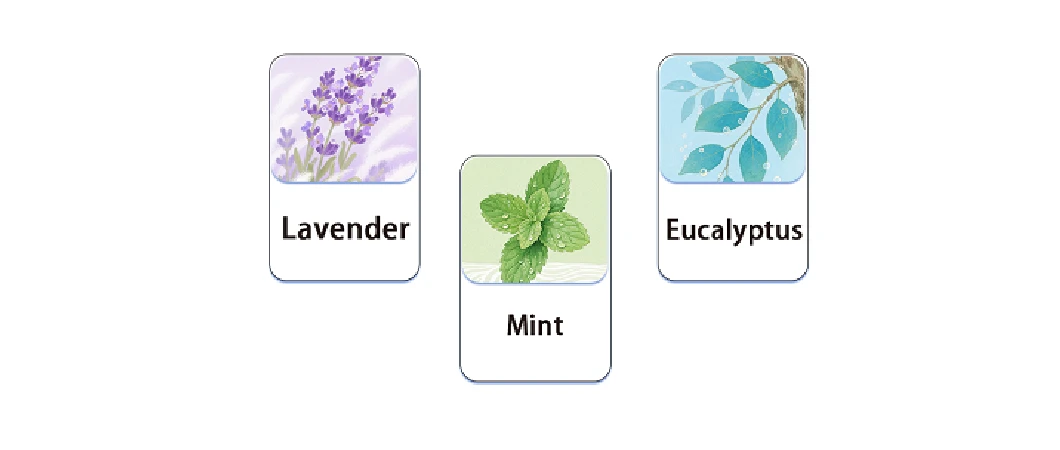
Custom Scent Options
Scent type (popular scents / refreshing / unscented)
Scent intensity (low / medium / high)
Duration (short / long / long-lasting release)
Medical-grade / cosmetic-grade fragrance materials
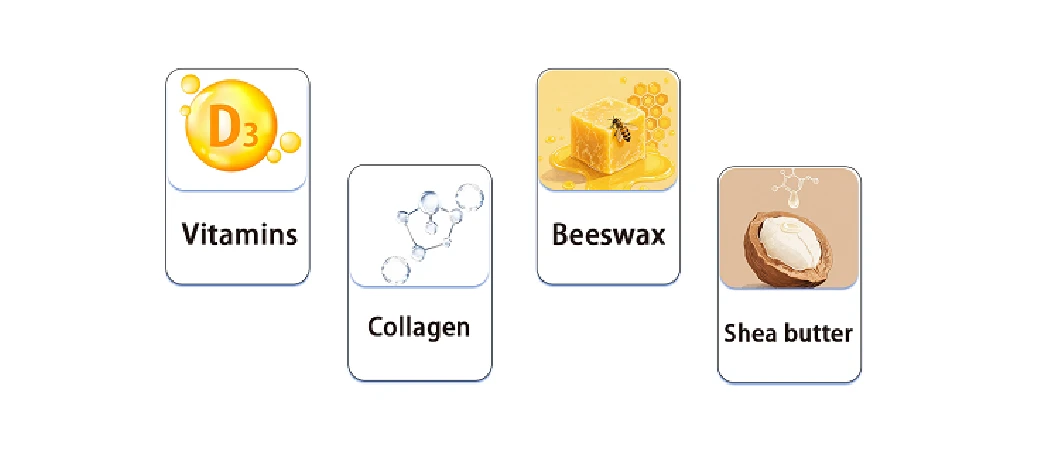
Custom Formulation
Refreshing & soothing ingredients (menthol, eucalyptus oil)
Botanical extracts (e.g. eucalyptus leaf extract)
Soothing active ingredients (plant-derived calming factors)
Active-free options available
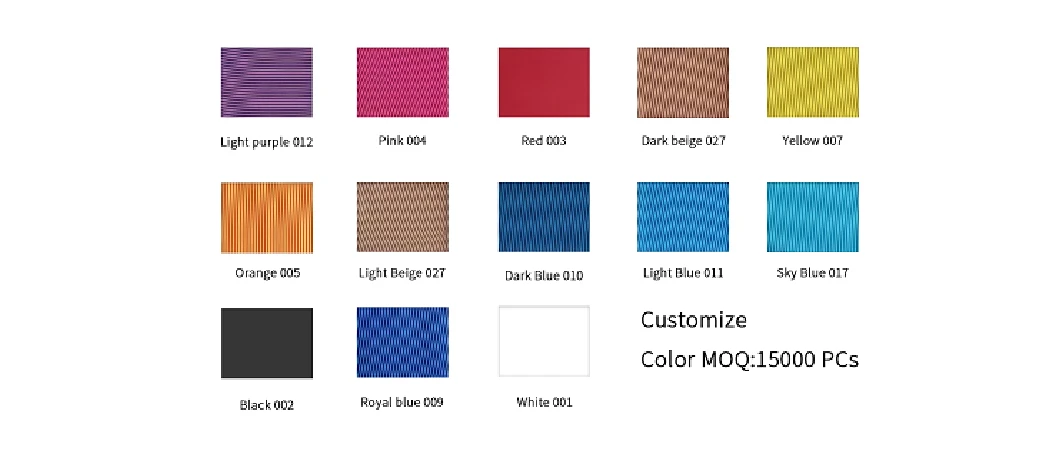
Custom Color Options
Standard colors (white / skin tone / black)
Custom colors (Pantone color matching)
Special finishes (metallic, matte, sporty styles)
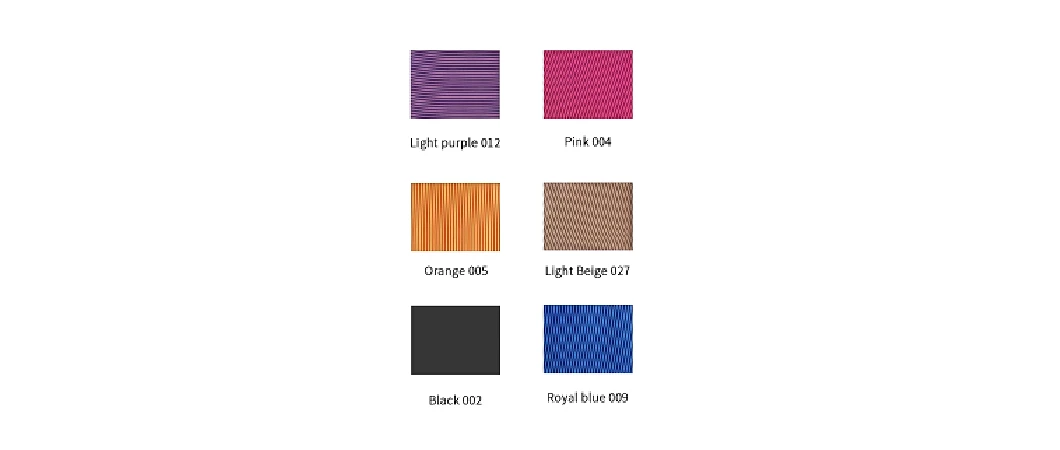
Custom Graphic Design
Pattern content
Pattern placement
Functional design patterns
Custom Material Options
Non-woven fabric
Cotton
PU material
Silk
Composite materials
Bamboo fiber
Start Your Customization Plan
APPLICATON
Athena Sports Nasal Strips, Enjoy Every Breath
Athena develops sports breathing strips for active-use scenarios, including nasal strips for running, gym training, cycling, and other athletic applications. With breathable materials, sweat-resistant adhesion, and a nose-fit design, our strip products help support comfortable airflow during exercise while strengthening your professional image in the sports wellness market.

SAMPLE
Sample Showcase for Custom and Bulk Nasal Strips
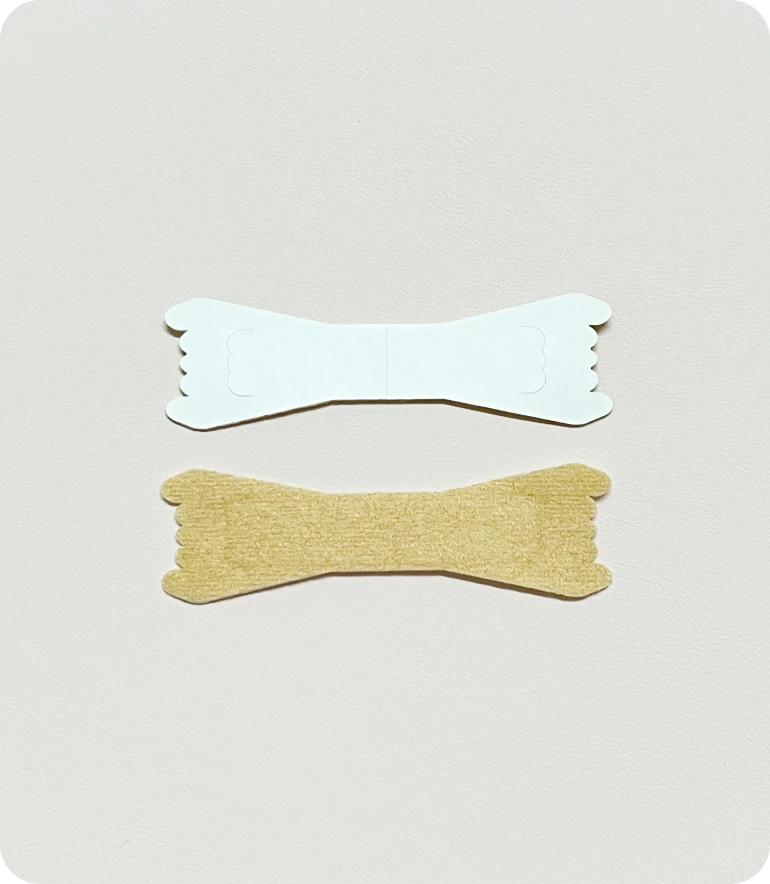
Sports Nose Strips
Materials: Non-woven fabric, cotton, or satin options
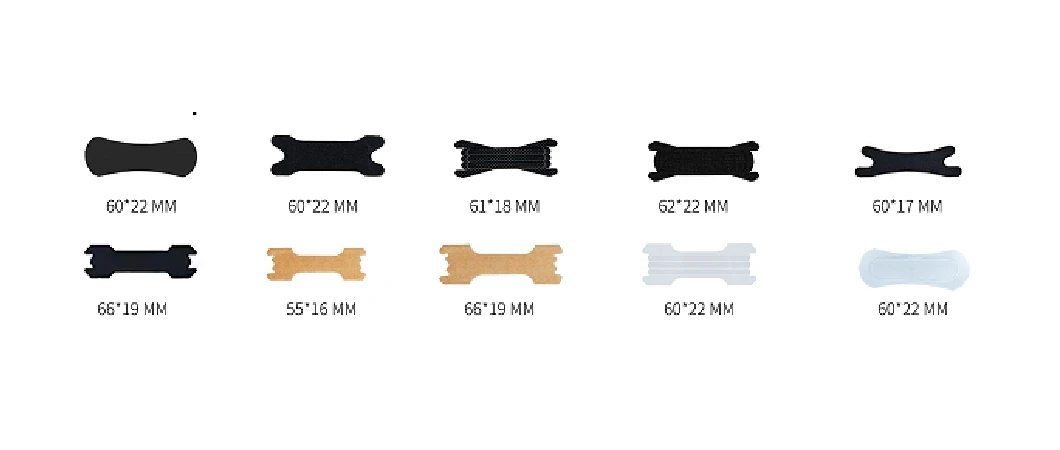
Standard Size Shown: 60 × 22 mm
Weight: Approximately 0.5g
Application: Designed for active-use product lines that require secure adhesion during running, gym training, cycling, and other movement-intensive conditions.
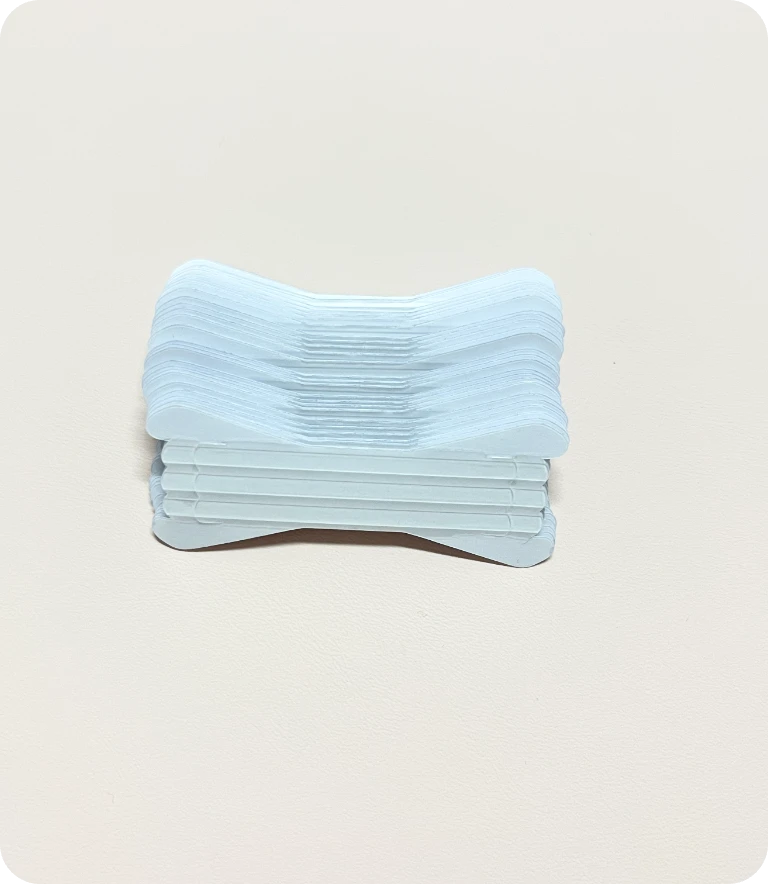
Sleeping Nose Strips
Materials: Non-woven fabric, cotton, or satin options
Sizes Shown: 55 × 16 mm and 66 × 19 mm
Weight: Approximately 0.5g
Application: Designed for overnight nasal-support products where material softness, stable adhesion, comfortable wear, and gentle removal are important.
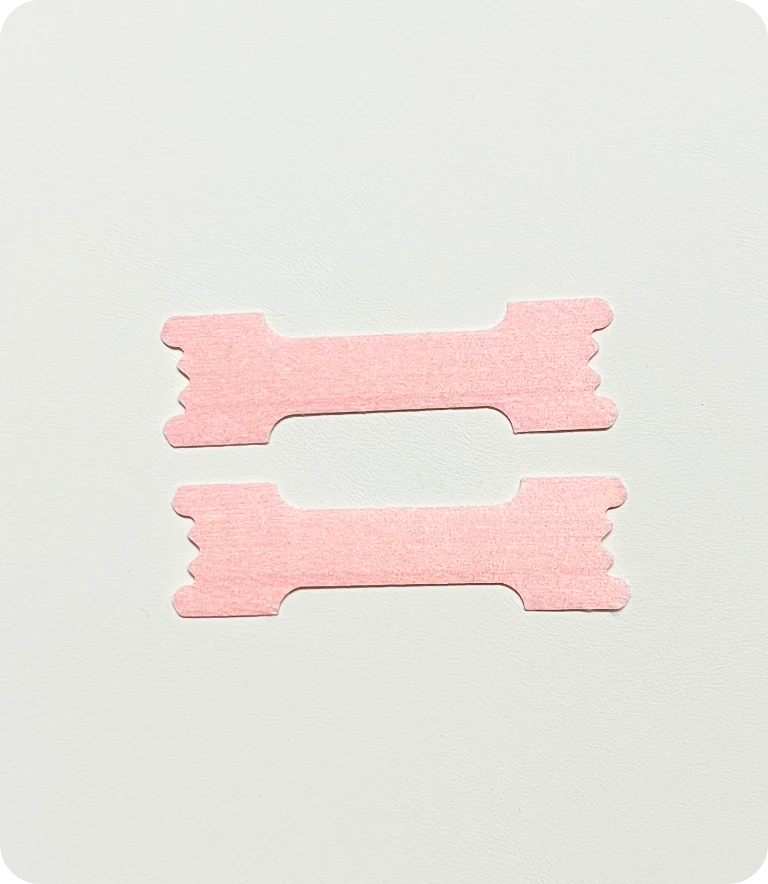
Aromatherapy Nose Strips
Material Shown: Non-woven fabric
Size Shown: 66 × 19 mm
Weight: Approximately 0.5g
Application: A scented nasal strip format for brands developing differentiated sleep and wellness product lines. Available scent materials, intensity, packaging, and labeling requirements should be confirmed for each project.
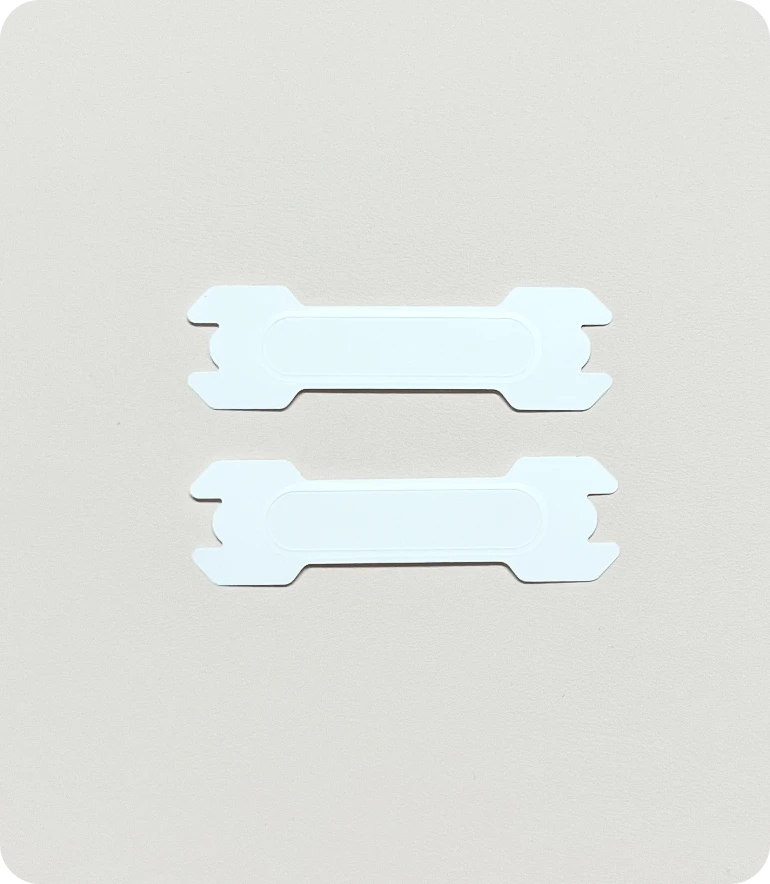
Invisible Nose Strips
Size Shown: 66 × 19 mm
Weight: Approximately 0.5g
Application: A low-visibility nasal strip format for discreet daytime wear or product lines that prioritize a less noticeable appearance.
FAQs
1. What materials are available for custom nasal strips?
Athena currently offers nasal strip development using non-woven fabric, cotton, satin, and other confirmed material options. The appropriate material depends on the intended wear conditions, required softness, breathability, printing method, exposure to sweat or moisture, and preferred product appearance.
Buyers should compare physical samples before confirming the production material, because surface feel, flexibility, adhesion, and print appearance can differ between constructions.
2. What standard nasal strip sizes are available?
Athena currently displays 55 × 16 mm, 60 × 22 mm, and 66 × 19 mm nasal strip formats. The appropriate size should be selected according to the intended user, nose shape, support area, strip structure, and use conditions.
Custom dimensions and shapes can also be discussed. Final dimensions should be confirmed through physical sample evaluation before bulk production.
3. What is the difference between 1-bar, 2-bar, and 3-bar nasal strip designs?
The internal support-strip layout affects how lifting force is distributed across the nose. A wider single support bar can create a more concentrated lifting structure, while two-bar or three-bar layouts can distribute support across multiple points and follow different nose contours.
The suitable design should be evaluated together with the strip dimensions, backing material, adhesive area, edge shape, and intended wear conditions. Buyers should compare samples rather than selecting the support-bar count as an isolated specification.
4. Why do some nasal strips peel off during sleep or exercise?
Early peeling can be caused by facial oil, moisture, skincare residue, incorrect placement, insufficient adhesive contact, edge tension, unsuitable strip dimensions, or repeated repositioning during application.
Adhesive strength should be matched to the intended use. Sleep products generally require stable wear with comfortable removal, while sports products need stronger resistance to sweat and facial movement. Application testing should use the proposed material, adhesive, strip structure, and packaging configuration.
5. What packaging options are available for private label nasal strips?
Private label projects can discuss individual wrappers, resealable pouches, retail cartons, pack counts, multilingual artwork, shipping cartons, and other confirmed packaging formats.
Common pack-count options include 30 and 60 strips.
The final packaging specification should identify the packaging material, dimensions, number of strips per pack, printing method, artwork version, lot-code position, storage instructions, and target-market label requirements.
6. What is the MOQ and lead time for private label nasal strips?
MOQ and lead time vary by the selected strip structure, material, packaging method, printing process, and customization level. Stock formats, custom-printed packaging, and fully customized nasal strips use different production requirements.
To receive an accurate quotation, provide the required size, material, support structure, pack count, artwork, destination market, and estimated order quantity.
7. Can buyers request samples before bulk production?
Yes. Sample evaluation allows buyers to compare material feel, dimensions, support structure, adhesion, edge lift, removal behavior, printing appearance, and packaging before approving bulk production.
Available sample formats, customization level, sample fees, courier costs, and delivery arrangements should be confirmed for each project.
8. What quality and regulatory documents are available for nasal strip projects?
Document availability depends on the selected nasal strip, manufacturing specification, intended claims, and destination market. Buyers should provide the target country and required documentation at the beginning of the project so Athena can confirm which quality, material, testing, traceability, or regulatory records apply.
Registration, listing, certification, or quality-system documents should be reviewed for their applicable legal entity, manufacturing site, product scope, market, and validity period.
9. How to Choose a Nasal Strips manufacturer?
Choose a nasal strips manufacturer by evaluating its material options, adhesive performance, customization ability, MOQ flexibility, production capacity, and quality control process. A reliable supplier should support OEM/ODM development, offer skin-friendly and hypoallergenic material options, provide custom shapes, sizes, scents, packaging, and private label solutions, and help you test samples before scaling. It is also important to confirm lead times, batch consistency, documentation support, and whether the factory can handle both small trial orders and larger production needs as your product line grows.
Start Your Custom Project
Tell us your required nasal strip material, size, support structure, application, packaging, target market, and estimated order quantity. Athena can use these details to recommend suitable sample options and prepare a project-specific quotation.