Invisible Nose Strips for Discreet Everyday Wear
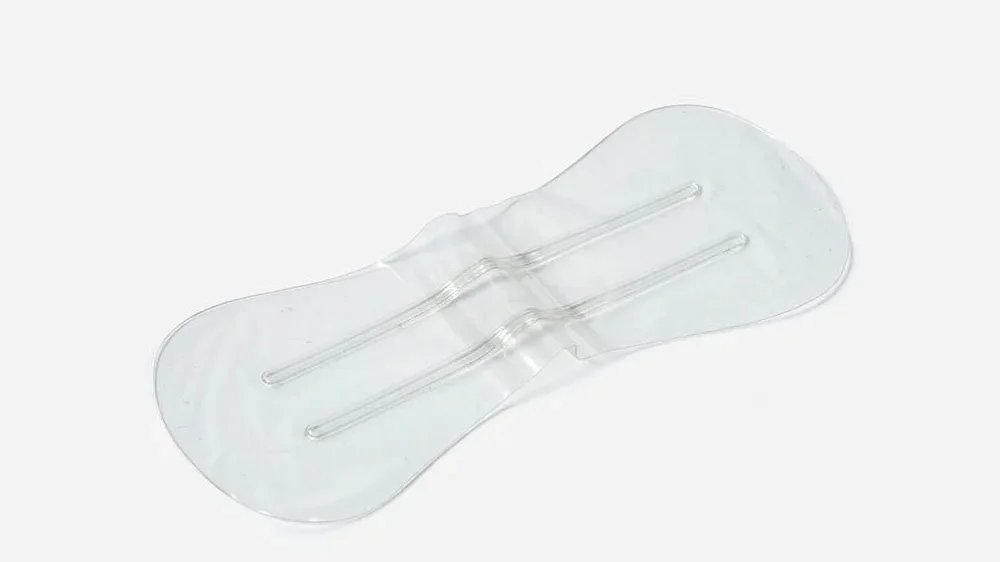
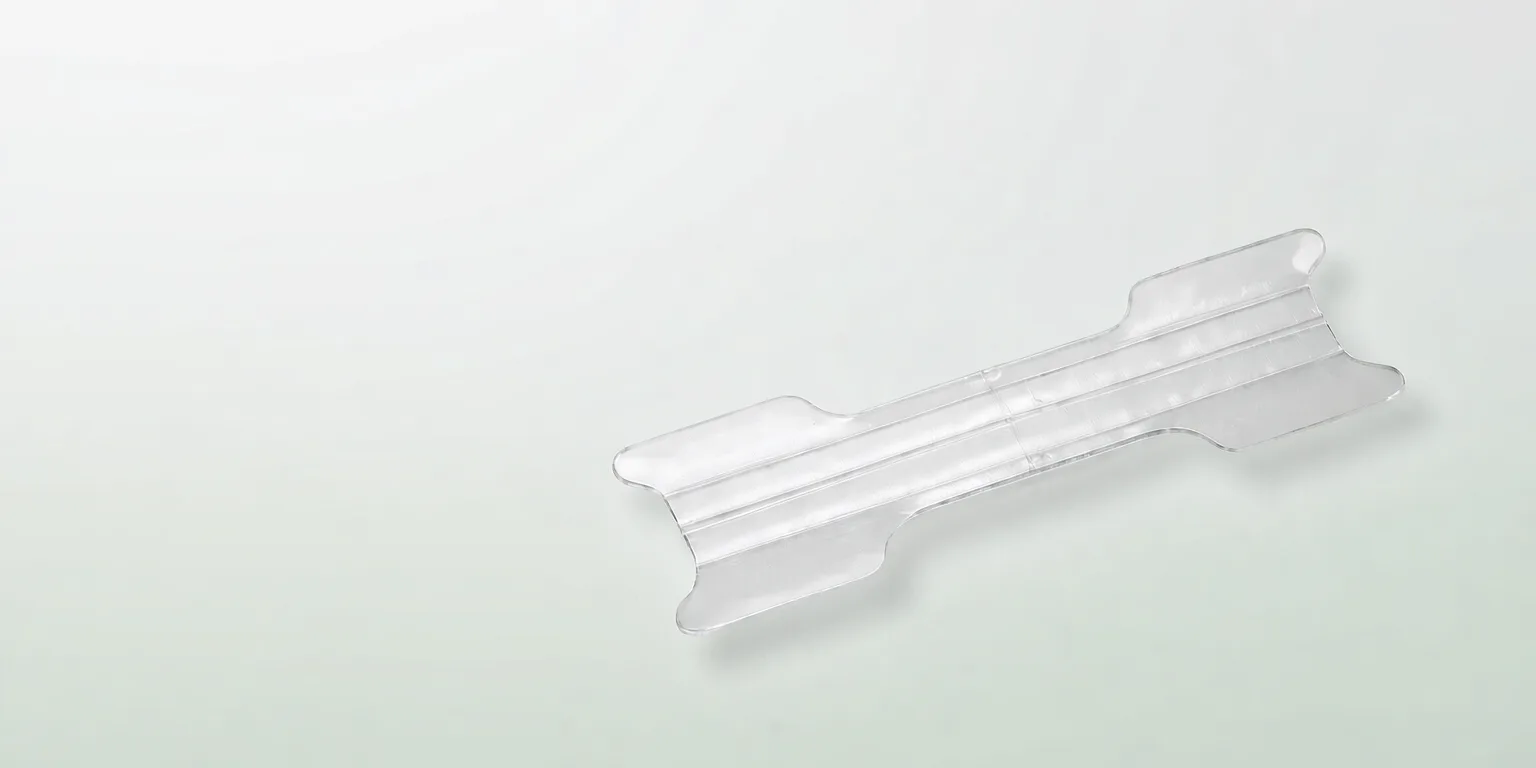
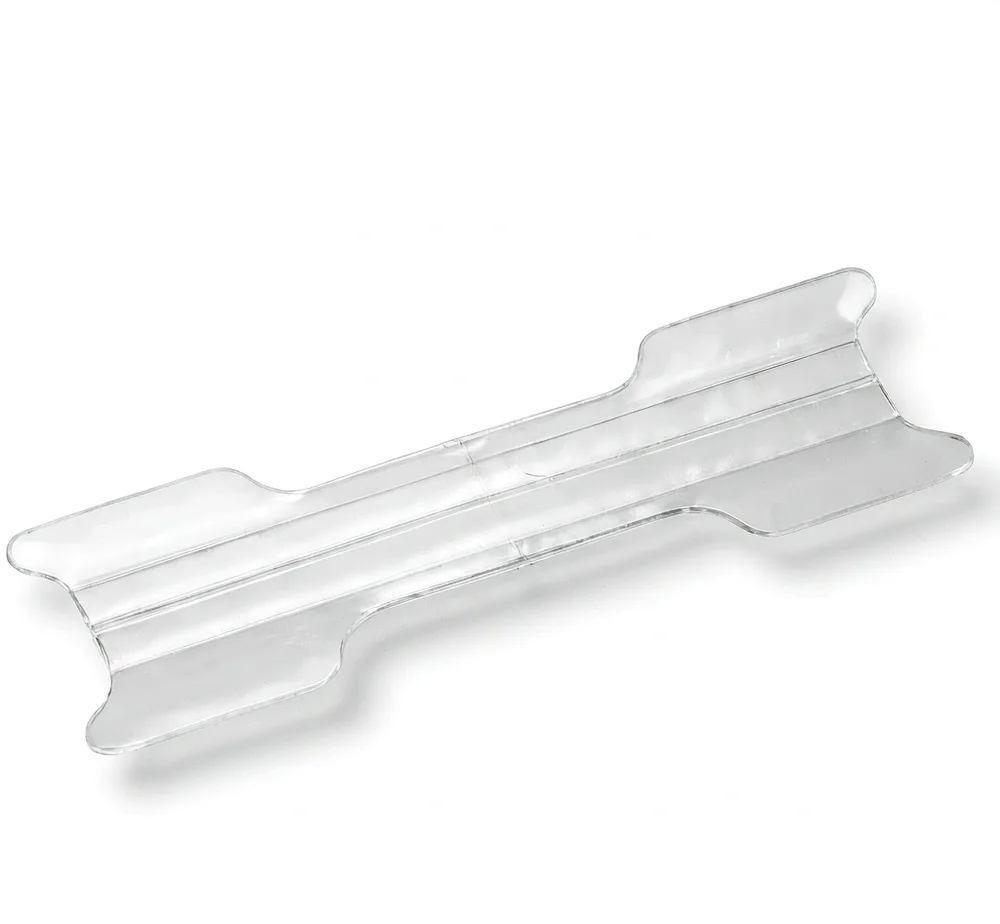
Athena invisible nose strips are external adhesive nasal support strips designed for a low-visibility appearance, available for OEM and private label development with customizable surface finish, edge profile, adhesive contact and branded packaging.
Inquire now
Next productAthena offers invisible nose strips for brands developing external nasal-support products with a less noticeable appearance. This low-visibility format is intended for customers who want the convenience of an adhesive nasal strip without the prominent look of conventional styles.
Product development can address strip shape, visible surface finish, adhesive contact and branded packaging. Athena supports OEM and private label projects that require a balance between discreet presentation, comfortable fit and practical nasal support.
A Less Noticeable Nasal Strip Design
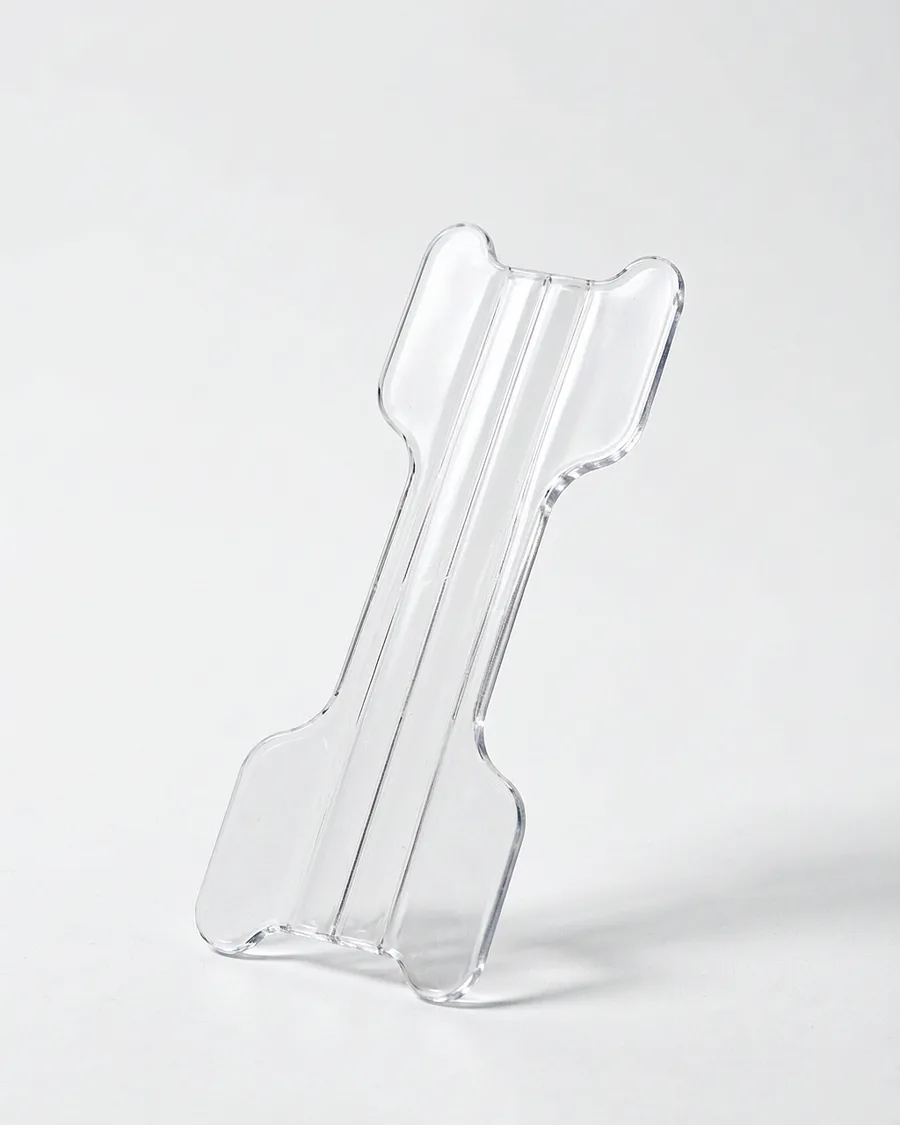
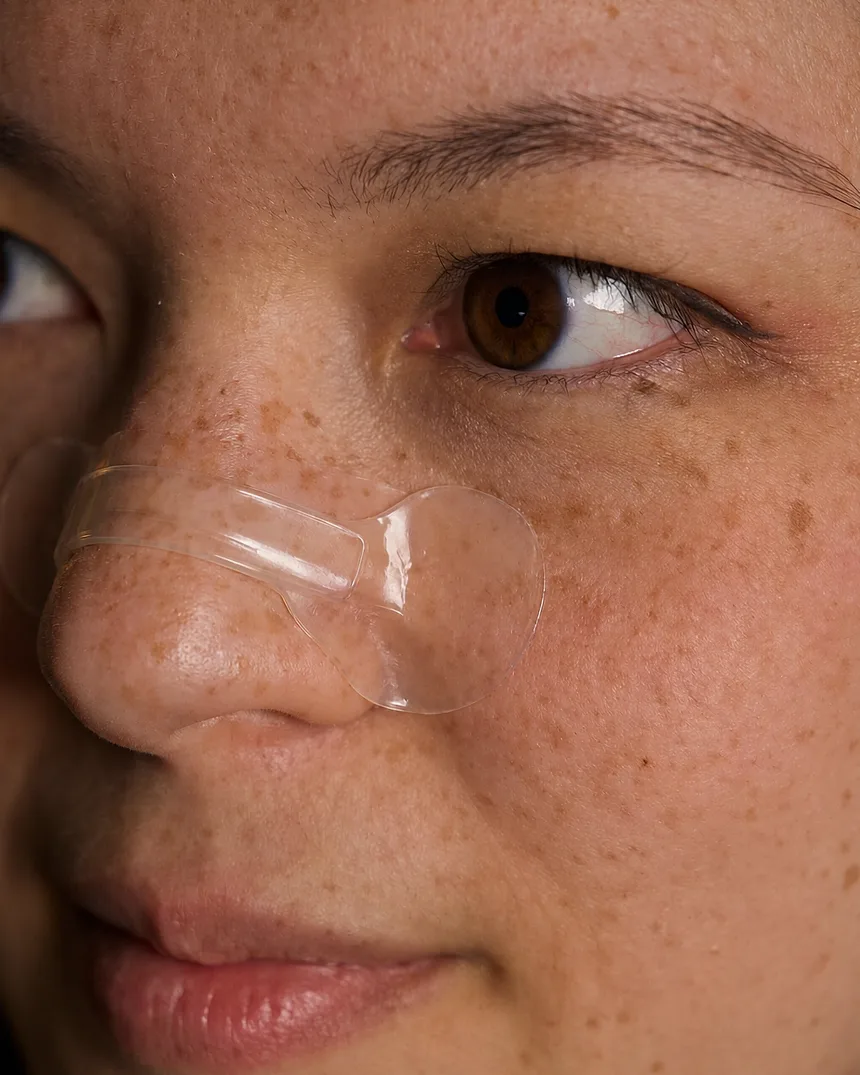
For many consumers, the appearance of a nasal strip matters as much as its fit. A conventional strip may stand out because of its colour, width or contrast against the skin. A low-visibility design approaches the problem differently, focusing on how the strip looks when applied rather than treating its appearance as an afterthought.
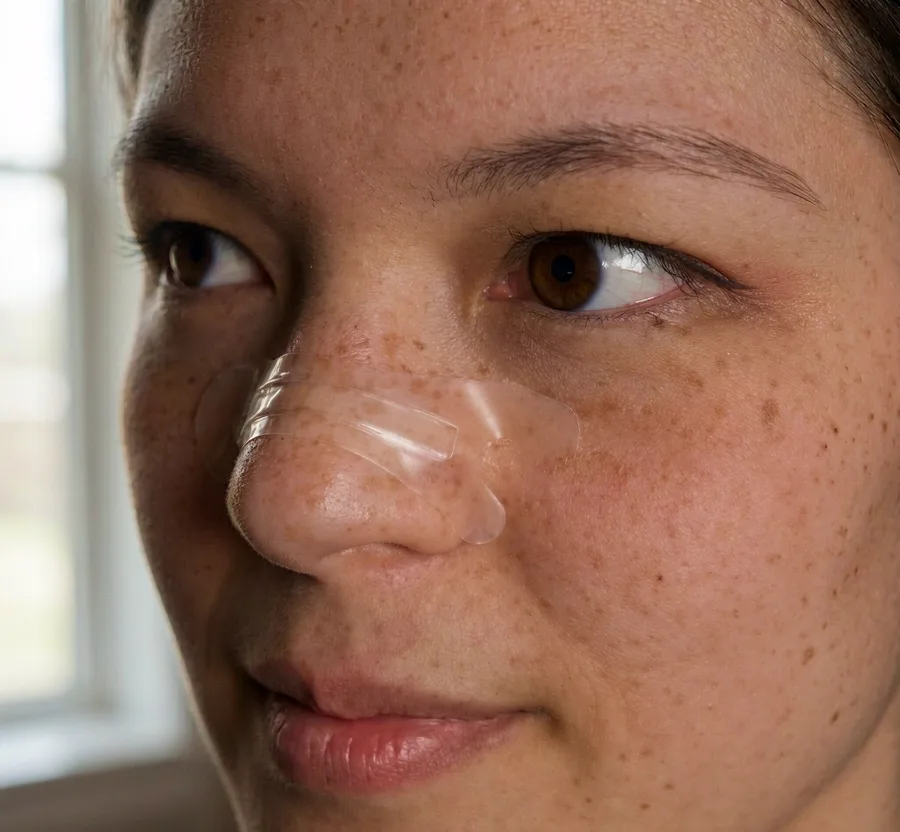
Athena’s invisible nose strip format gives brands a starting point for developing a more discreet product range. The final visual effect depends on the selected surface material, colour, edge shape and the wearer’s skin tone. “Invisible” describes the intended appearance, not a guarantee that the strip cannot be seen.
For product development, samples should be assessed under normal indoor lighting and in close-up photographs. This helps buyers distinguish a genuinely subtle appearance from a product that only looks discreet in promotional images.
Surface Materials, Edges & Fit
A discreet nasal strip needs more than a subtle colour. Surface texture, reflectivity and edge definition all influence how noticeable the product appears against the skin. These visual details should be assessed alongside the strip’s structural requirements, rather than treating appearance as a purely decorative feature.
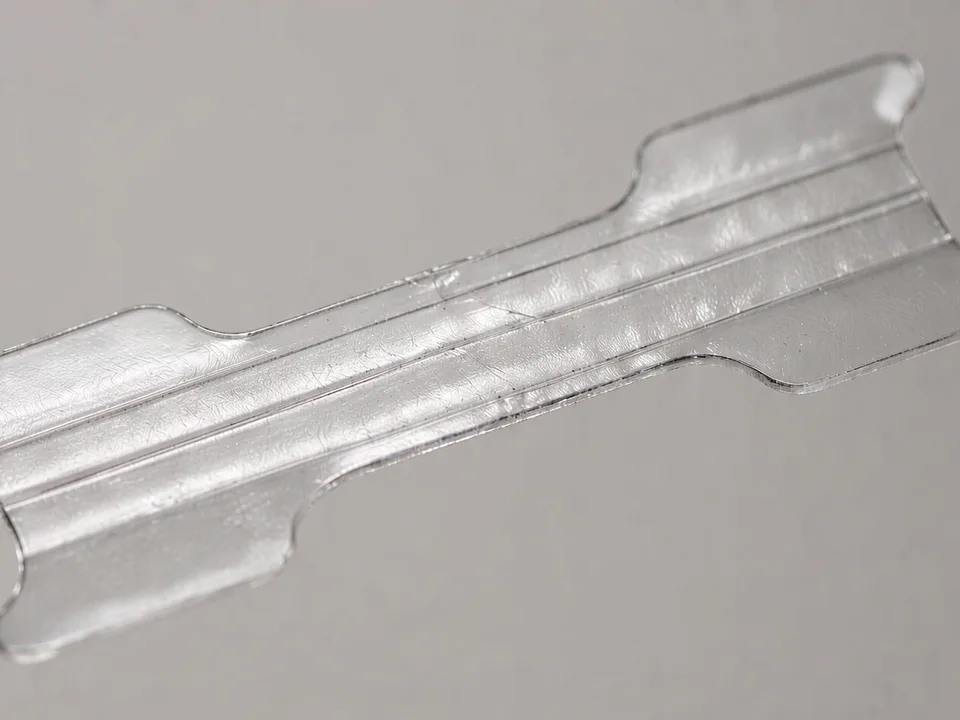
Surface Finish
The finish determines how light interacts with the strip’s surface. A matte material may appear less reflective under direct lighting, while differences in colour and texture can become more apparent at close range. Athena’s low-visibility product options should be evaluated using actual samples, since a discreet appearance does not necessarily mean a fully transparent material.
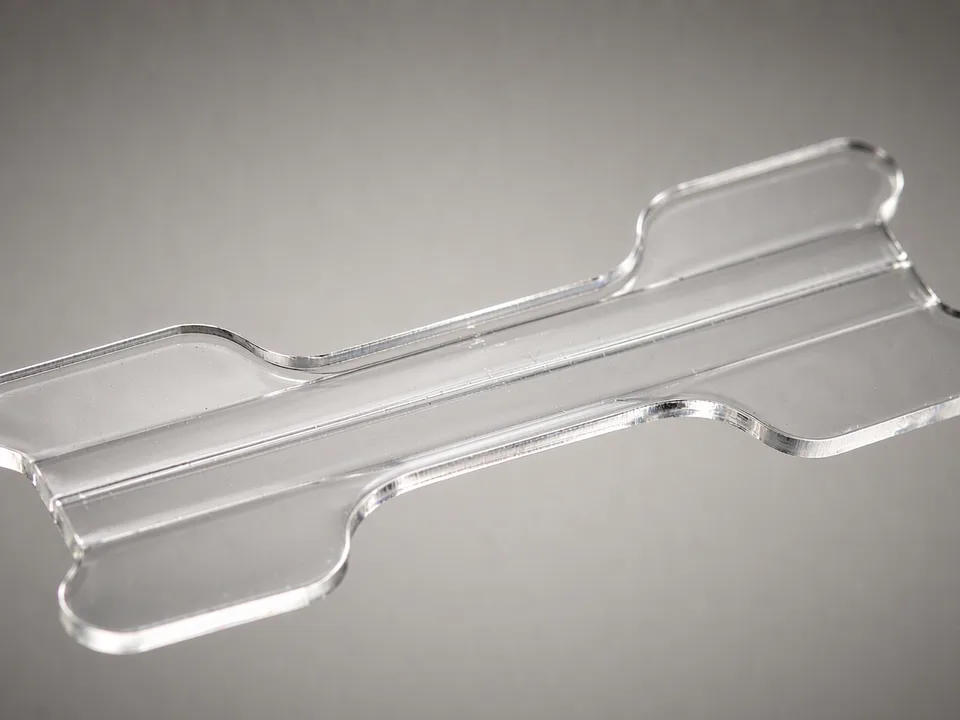
Edge Shape and Profile
Even when the surface colour is subtle, a raised or clearly defined edge can make the strip more noticeable. The overall outline, centre bridge and transition from the strip to surrounding skin all affect its visual profile. Any adjustment to the die-cut shape must also account for the underlying support structure.
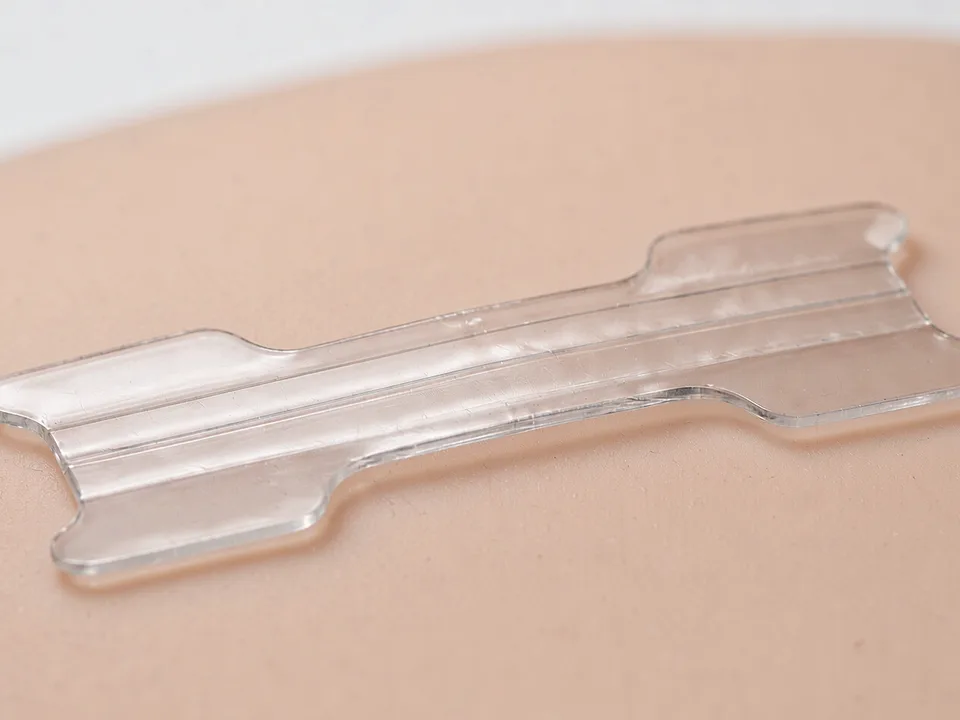
Adhesive Contact
Adhesive placement contributes to the finished appearance by helping the strip lie evenly against the nose. Uneven contact or lifting edges can make the outline more visible, particularly under side lighting. During sample evaluation, brands should examine whether the selected adhesive and strip construction maintain a neat, consistent profile.
Invisible vs Conventional Nasal Strips
The difference between invisible and conventional nasal strips is primarily how the product is presented on the skin. Both may use an external support structure, but their surface finish, colour and outline can create noticeably different appearances.
A less visible strip is not necessarily thinner, more flexible or easier to remove. Those characteristics depend on the material and adhesive specifications. For a reliable comparison, brands should review real samples of both products rather than rely solely on packaging claims.
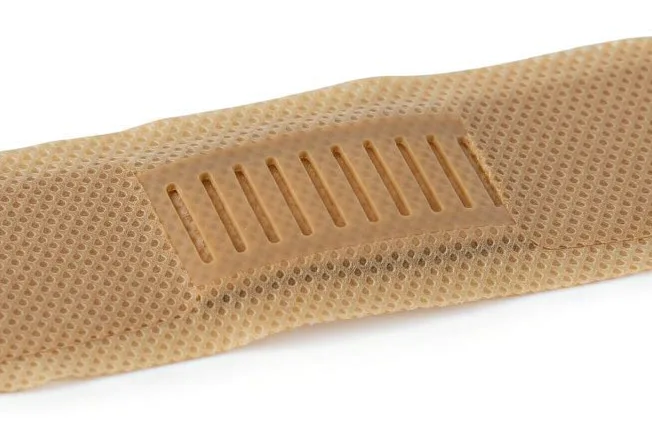
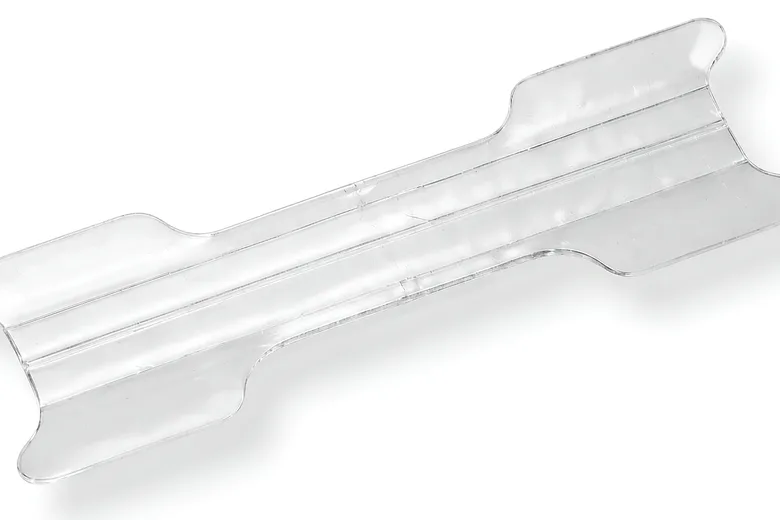
| Comparison | Conventional Nasal Strips | Low-Visibility Nasal Strips |
|---|---|---|
| Appearance | Often more visible against the skin | Designed for a subtler appearance |
| Surface | May use fabric or other standard finishes | Selected with appearance in mind |
| Colour | Commonly beige, white or other visible colours | Depends on the approved low-visibility material |
| Edge Design | Based on the standard product shape | Can be evaluated for a less prominent outline |
| Support | Depends on the internal support construction | Also depends on the internal support construction |
| Product Positioning | General-purpose nasal-support range | Discreet-wear product range |
Invisible Nose Strip Specifications
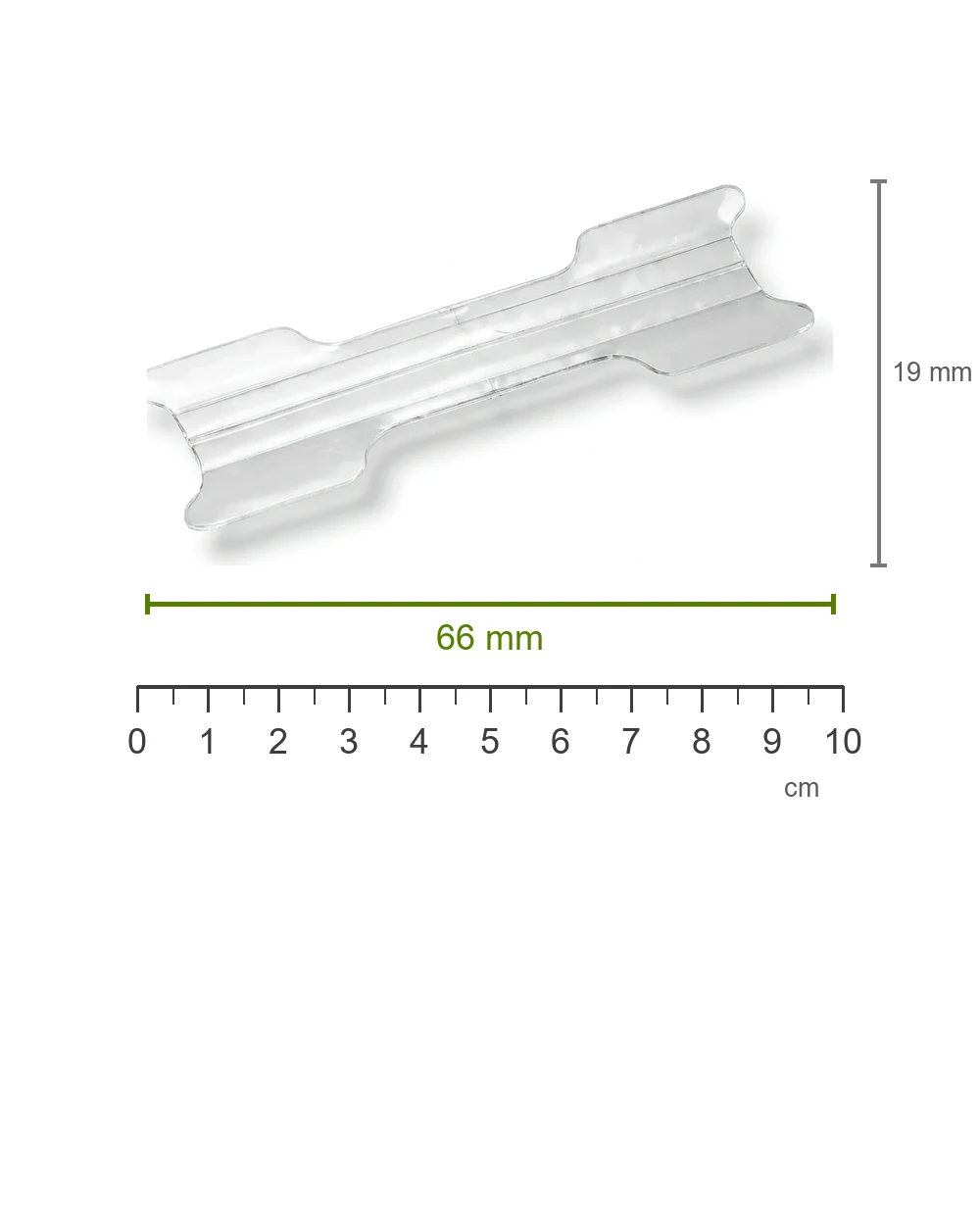
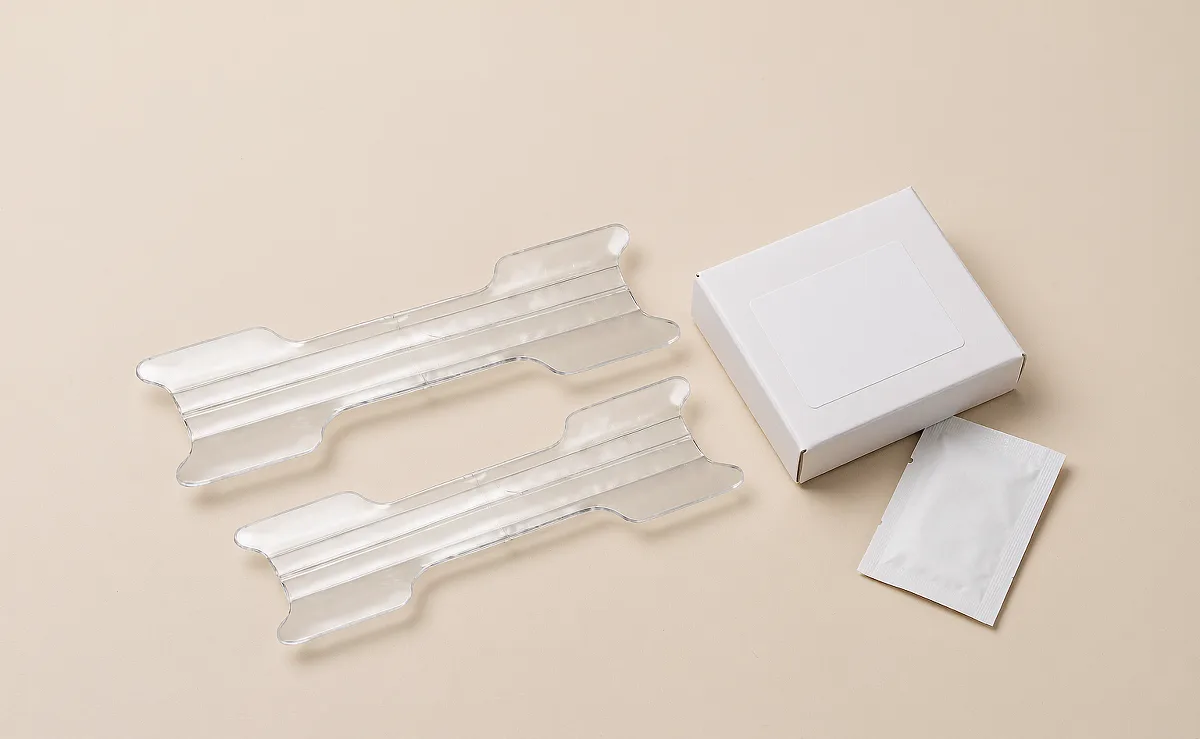
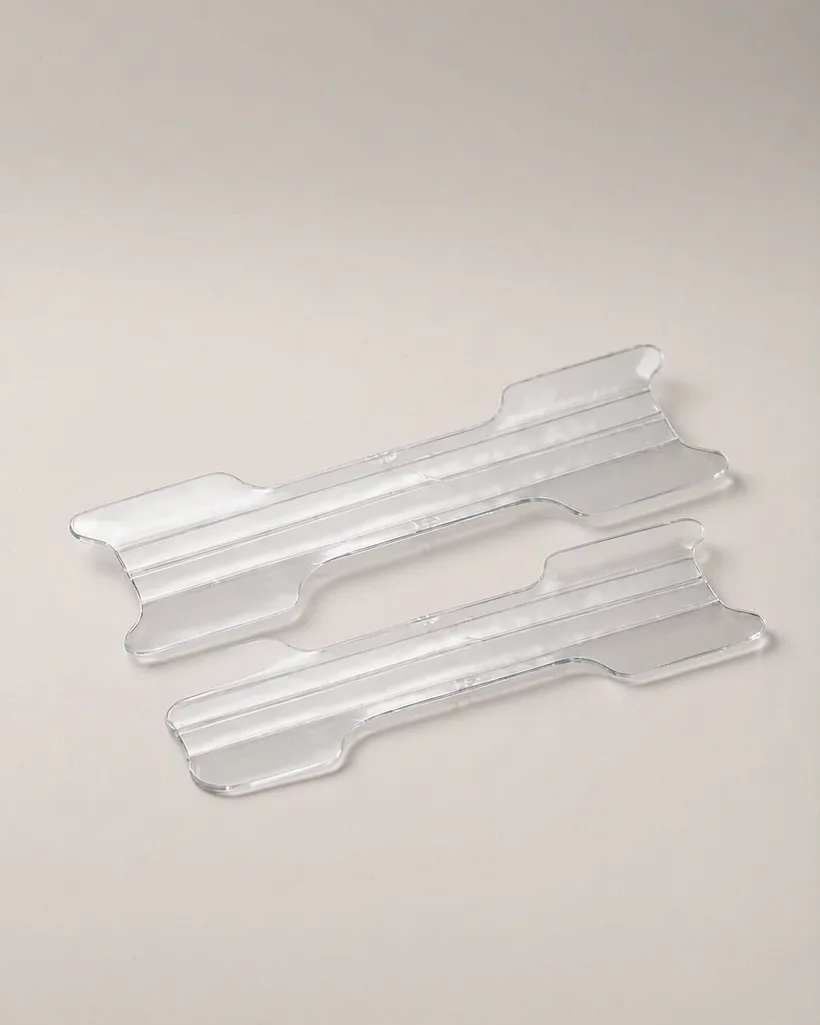
Athena currently presents an invisible nose strip sample with a 66 × 19 mm format. This provides a reference for initial product enquiries, while the material construction, adhesive details and available customization options should be confirmed for the selected SKU.
| Specification | Product Information |
|---|---|
| Product Name | Invisible Nose Strips |
| Product Type | External adhesive nasal support strip |
| Sample Size Shown | 66 × 19 mm |
| Approximate Sample Weight | 0.5 g |
| Positioning | Low-visibility nasal strip |
| Surface Material | To be confirmed for the selected SKU |
| Elastic Support Structure | To be confirmed |
| Adhesive Specification | To be confirmed |
| Available Sizes and Colours | Subject to product confirmation |
| Packaging and MOQ | Confirmed according to order requirements |
The sample dimensions should not be assumed to represent every available configuration. Before placing a custom order, buyers should confirm the approved material, actual appearance, dimensions and packaging details against the final product sample.
Private Label Design & Product Development
A discreet nasal strip range begins with a clear visual reference. Brands may specify a preferred surface finish, colour contrast, edge profile or existing product sample to define the appearance they want to achieve. Athena can then review how these requirements relate to available materials, strip construction and production feasibility before packaging details are finalized.
Visual and Material References
Brands can supply competitor samples, photographs or an appearance brief to communicate the finish they want to achieve. Material selection should consider actual on-skin appearance alongside flexibility and compatibility with the support construction.
Brand Identity & Packaging
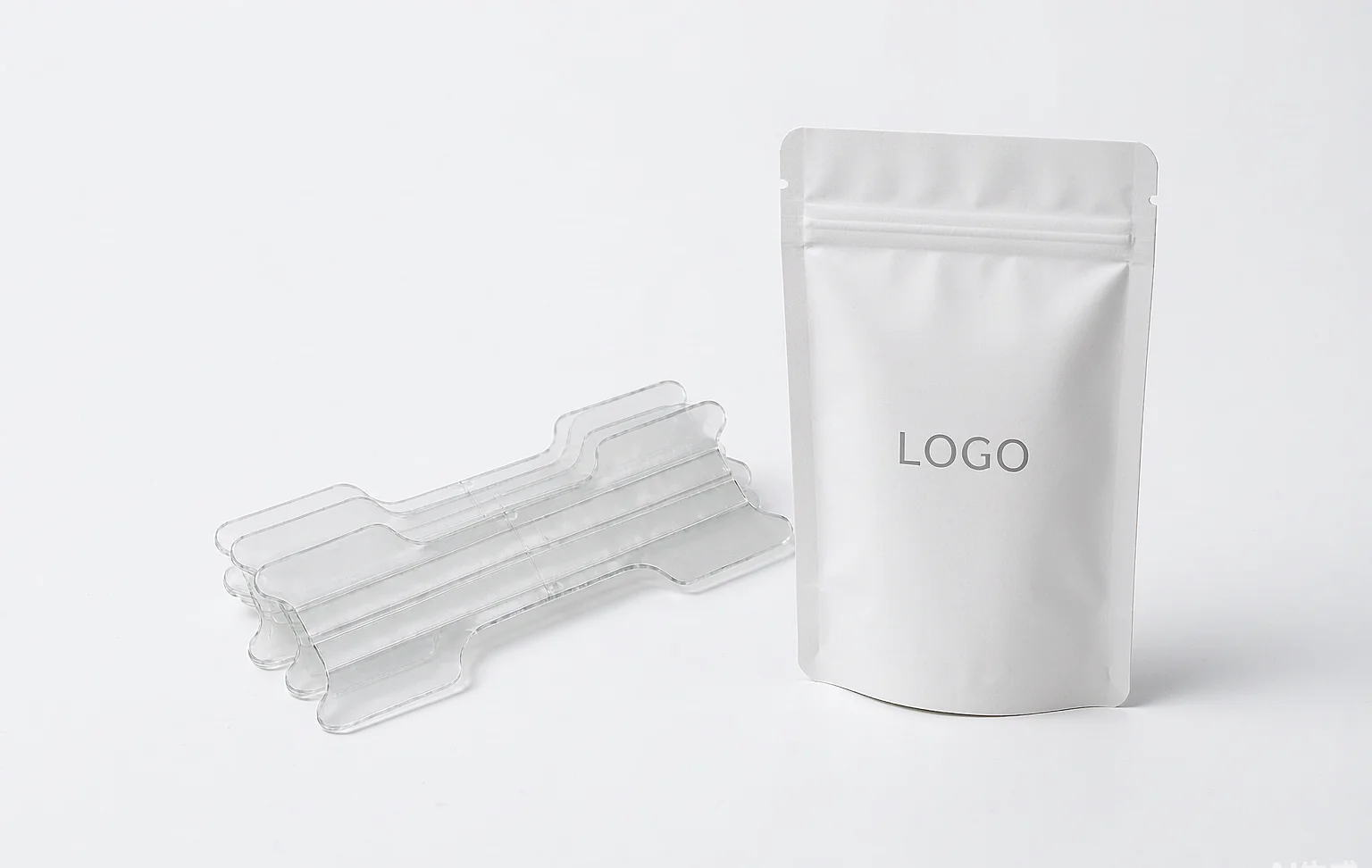
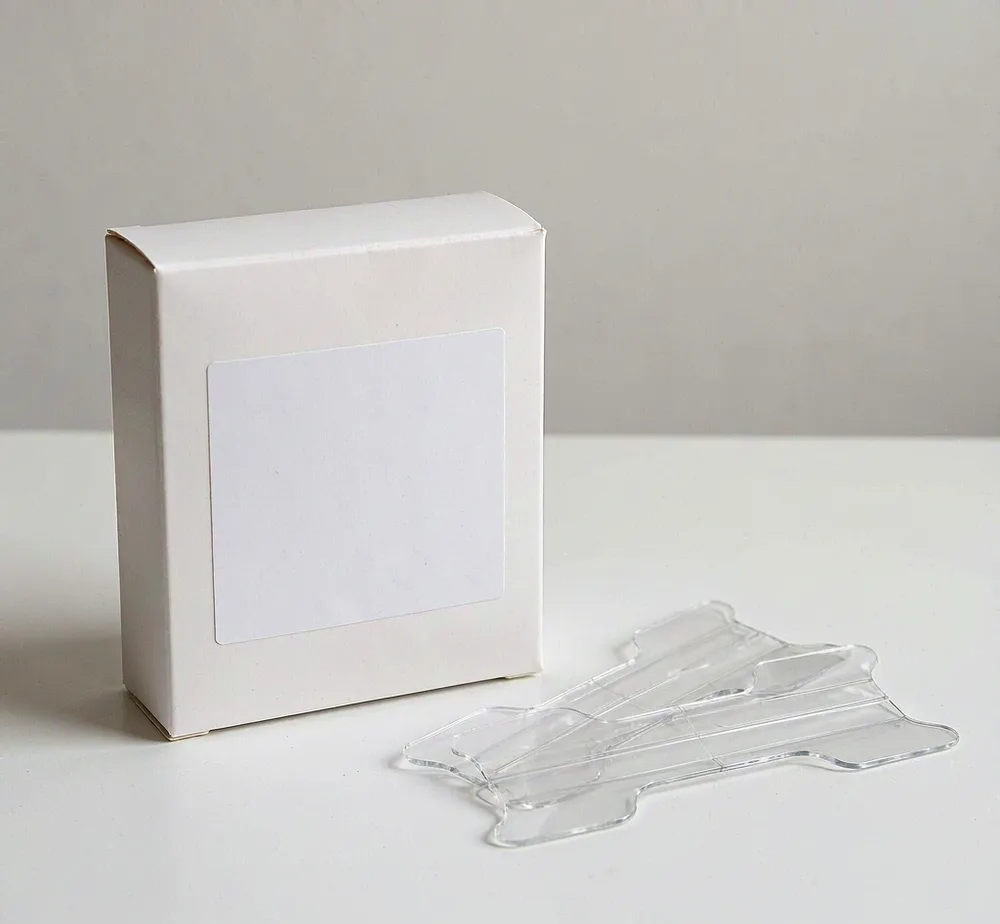
A low-visibility nasal strip line can be differentiated through retail pack design, product identification, pack quantity and multilingual information. Claims such as “transparent,” “hypoallergenic” or “suitable for sensitive skin” should only be used where supported by the approved product specification and relevant evidence.
Appearance Review & Sample Approval
Before approving a low-visibility nasal strip for production, brands should examine how it looks and behaves under the conditions their customers are likely to encounter. Appearance can vary with lighting, skin tone, surface texture and the position of the strip on the nose.
| Review Item | What Buyers Should Check |
|---|---|
| On-Skin Appearance | Visibility under ordinary lighting |
| Surface Finish | Texture, colour and reflectivity |
| Edge Profile | Whether the outline sits neatly against the skin |
| Fit | Comfort and alignment on intended nose shapes |
| Adhesion | Edge retention and removal experience |
| Sample Consistency | Comparison with the approved reference |
| Packaging | Correct product images, colour representation and labels |
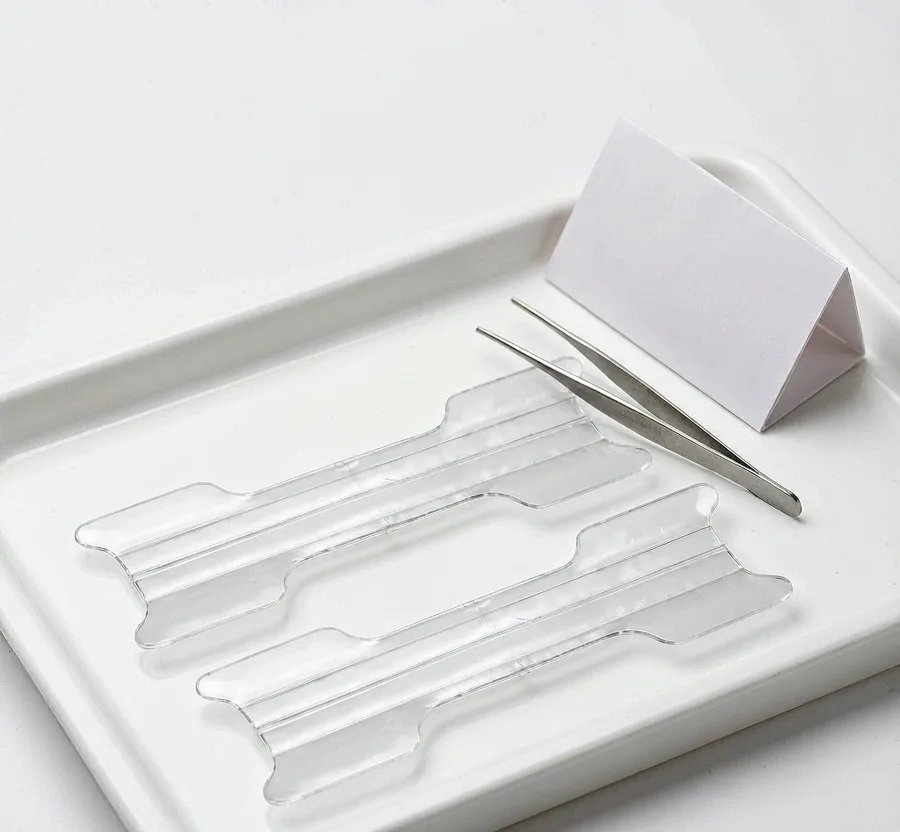
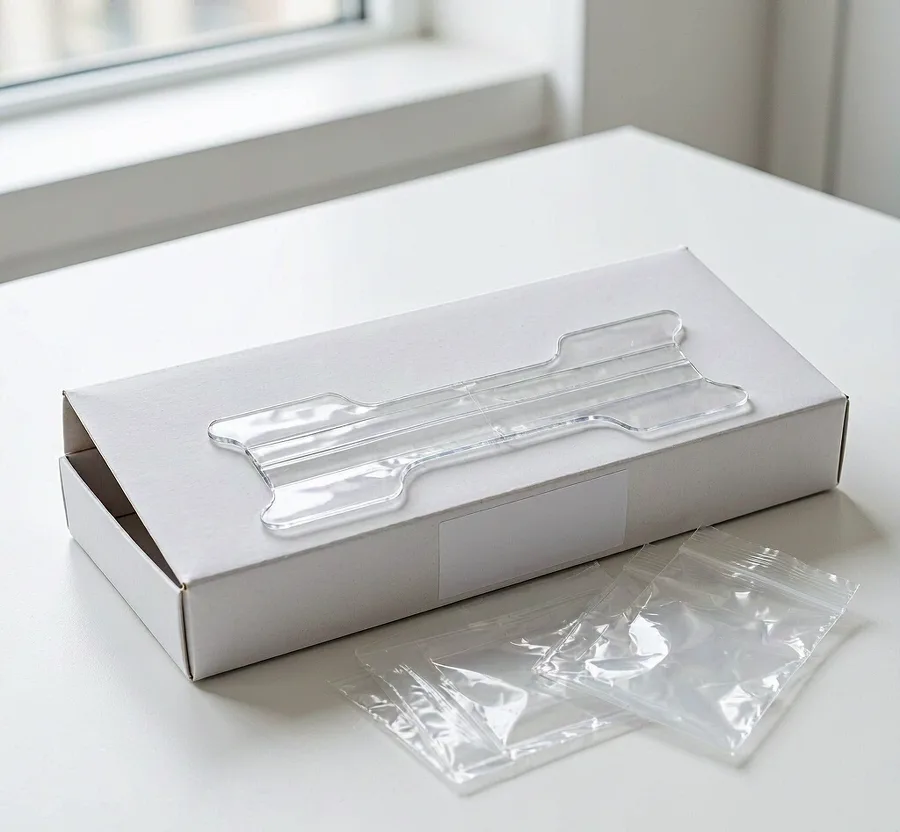
A practical sample review should document the agreed visual reference as well as the functional construction. This makes it easier to evaluate later batches against an approved standard.
Once the appearance and technical requirements are approved, Athena can discuss the final order configuration and manufacturing arrangements. Buyers should keep an approved physical sample as the reference for subsequent orders.
Invisible Nose Strips FAQ
?1. Are invisible nose strips completely invisible when worn?
Not necessarily. “Invisible” generally describes a nasal strip designed to be less noticeable than conventional styles. The actual appearance depends on the surface material, colour, lighting, skin tone and placement. Brands should evaluate physical samples before making claims about how discreet a product looks.
?2. Are clear nasal strips and invisible nasal strips the same?
The terms are sometimes used for similar products, but they do not always mean the same thing. Clear nasal strips typically refer to a transparent or translucent surface, while invisible nasal strips may also describe low-visibility finishes. Buyers should confirm the actual material rather than rely on the product name alone.
?3. Do invisible nasal strips work differently from regular nasal strips?
Not necessarily. The external nasal-support mechanism can be similar to a conventional strip. Differences in appearance do not establish different support strength or airflow performance. Those properties depend on the underlying product structure.
?4. Why do some invisible nasal strips still look noticeable on the skin?
The appearance of an invisible nasal strip can vary depending on surface reflectivity, colour contrast, edge thickness and lighting conditions. A strip that looks subtle against one skin tone may appear more noticeable against another. Slight edge lifting can also make its outline easier to see. Brands should evaluate real samples on different skin tones and under everyday lighting before finalizing appearance claims.
?5. Can Athena customize the appearance of invisible nose strips?
Athena can review OEM requirements for appearance, dimensions, materials and packaging. The feasibility of specific transparent, matte or skin-tone finishes should be confirmed against available material and production options before approval.
?6. What information should I provide when requesting private label invisible nasal strips?
Share your target market, preferred appearance, reference samples, required dimensions, packaging format and estimated order quantity. These details help Athena determine which product and customization options can be evaluated, along with the applicable MOQ and quotation.
Create a More Discreet Nasal Strip Range
Developing a low-visibility nasal strip for your brand? Share your appearance references, preferred dimensions and packaging needs with Athena to explore suitable OEM options and sample availability.


Contact us Now!