A Practical Guide to Nasal Strips for Sleep and Sports
Date:2026-04-29
Read:140
source: Zoey
Abstract
Nasal strips are a simple, drug-free tool designed to make nasal breathing feel easier by mechanically opening the nostrils. That basic function makes them relevant in two common scenarios: sleep and exercise. At night, they may help people whose snoring or mouth breathing is linked to nasal congestion or narrow nasal passages. During training, they may improve the sensation of easier airflow, though research does not consistently show major gains in athletic performance. The key is to use them for the right reason, with the right expectations, and with a clear understanding of what they can and cannot do.
Quick Answer
Nasal strips are adhesive bands worn across the nose to help widen the nostrils. They can support easier breathing during sleep or sports, but the benefit depends on congestion, fit, and use case.
Key Takeaways
· Nasal stripswork by gently lifting the sides of the nose outward to reduce airflow resistance.
· They are usually more useful for nasal stuffiness, mild blockage, or congestion-related snoring than for deeper sleep or breathing disorders.
· For sports, they may make breathing feel easier, but evidence for consistent performance improvement is mixed.
· The best results usually come from correct placement, realistic expectations, and choosing them for the right problem.
What Are Nasal Strips?
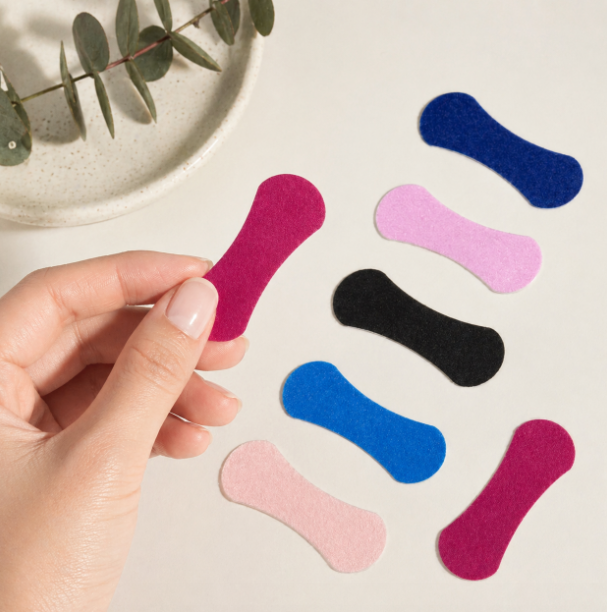
Nasal strips are best understood as a mechanical breathing aid. They do not open the lungs, and they do not act like a decongestant. Instead, they target the front part of the nasal airway, where airflow can feel restricted when the nose is stuffy or structurally narrow. This simple role is exactly why the product fits both sleep and sports: in both settings, easier airflow through the nose can improve comfort.
A Simple Answer to What Are Nasal Strips?
Many first-time users begin with one basic question: what are nasal strips? In simple terms, they are adhesive bands worn across the bridge of the nose. Their built-in flexible supports create a gentle lifting force that helps widen the nostrils from the outside. That makes them a form of external nasal dilator rather than a medicine, spray, or treatment that changes inflammation directly.
How They Differ From Sprays and Internal Dilators
The distinction matters. A nasal spray aims to reduce swelling or irritation. An internal dilator sits inside the nostrils. Adhesive nasal strips work from the outside by lifting the nasal walls slightly apart. That is why many people like them as a quick, non-medicated option for bedtime routines or training sessions.
How Do Nasal Strips Work?
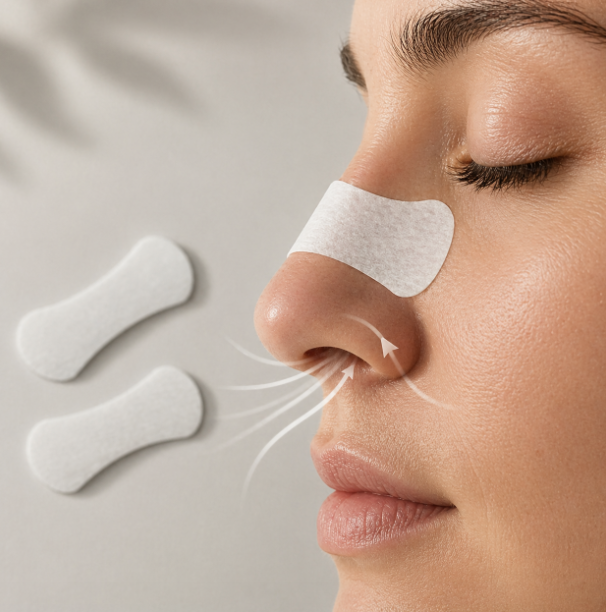
If the question is how do nasal strips work, the short answer is external dilation. The strip applies a gentle lifting force to the sides of the nose, which can reduce resistance and make nasal breathing feel smoother. Some people notice the effect immediately, while others feel only a modest difference. That variation usually comes down to anatomy, congestion level, and placement.
Comparison Table: Main Use Cases
Use Case | Primary Goal | Most Likely Benefit | Main Limitation |
Bedtime Congestion | Easier Nasal Breathing At Night | Less Resistance Through the Nose | Will Not Fix Every Sleep Issue |
Mild Snoring Linked to Blockage | Reduce the Effect of a Stuffy Nose | May Lessen Snoring in Some Users | Not a Treatment for Sleep Apnea |
Running or Training | Improve Breathing Comfort | Easier-Feeling Nasal Airflow | Performance Gains Are Inconsistent |
Daily Stuffy Nose Relief | Drug-Free Support | Immediate Mechanical Opening | Fit and Skin Tolerance Matter |
The Basic Airflow Logic Behind How Do Nasal Strips Work?
Once applied properly, the strip tries to spring back to its original shape, and that outward pull helps open the nostrils. The main target is the nasal valve area, one of the narrowest parts of the nasal airway and a common source of resistance. When the nostrils open a little more, inhaling through the nose can feel easier.
What They Can Change and What They Cannot
External nasal dilators can improve airflow at the level of the nostrils, but they do not fix every breathing problem. They are not a treatment for obstructive sleep apnea, and they do not correct every cause of snoring. Their strongest use is practical and narrow: helping when the nose itself is part of the bottleneck.
Nasal Strips for Sleep
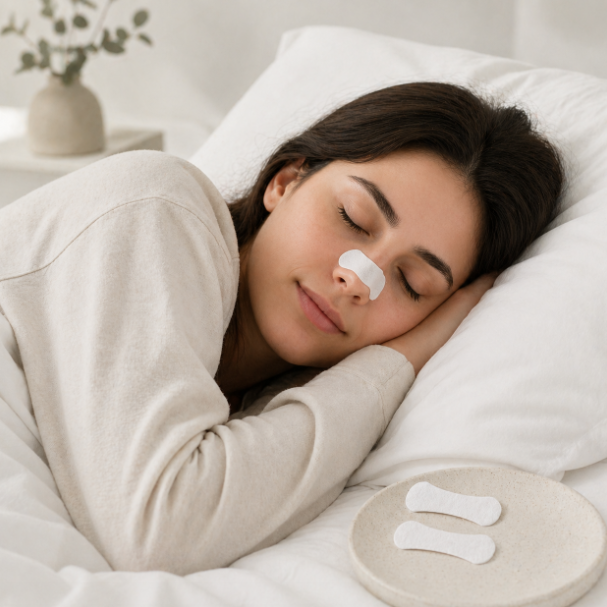
Nighttime use is usually comfort-driven. People who feel stuffy in bed, breathe through the mouth when the nose is blocked, or notice congestion-related snoring often find nasal breathing strips worth trying. The logic is straightforward: if a blocked or narrow nasal passage is making sleep less comfortable, gently widening the nostrils may help.
When They Make Sense at Night
For sleep, nasal strips are most useful when nasal blockage contributes to mouth breathing, noisy breathing, or mild snoring. In that setting, opening the nostrils can reduce the effort of breathing through the nose and make bedtime feel more comfortable. They fit best when the issue is airflow support rather than a more complex sleep condition.
Where Their Nighttime Benefit Stops
It is important not to overstate what they do. If snoring is loud, chronic, or linked to choking, gasping, witnessed pauses in breathing, or pronounced daytime sleepiness, nasal strips should not be treated as the full answer. In those cases, the underlying cause matters more than a simple airflow aid.
Nasal Strips for Sports

The sports use case is different from the sleep use case. Athletes usually choose nasal strips because they want airflow to feel less restricted during effort, not because they expect treatment. That makes them more of a support tool than a performance shortcut.
Why Athletes Use Them?
During exercise, even a small reduction in nasal resistance can feel helpful, particularly in warm-up periods, steady aerobic work, or conditions where congestion makes nasal breathing frustrating. That subjective benefit is one reason the product remains popular in running, cycling, team sports, and gym training.
What the Evidence Suggests
The research picture is more mixed for performance than for comfort. Some users report that breathing feels cleaner and more controlled, especially during moderate-intensity work. But a better breathing sensation does not automatically translate into major gains in speed, endurance, or output. A balanced expectation is that the strips may improve breathing feel more reliably than athletic results.
Sleep and Sports Require Different Selection Logic
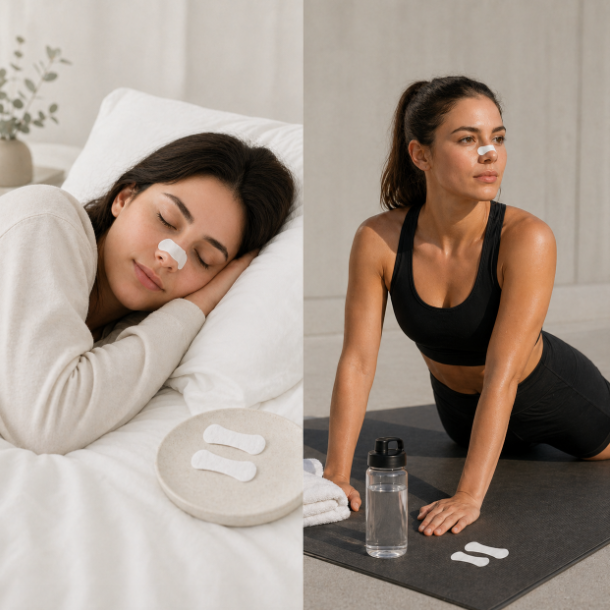
A common mistake is assuming one buying logic fits both scenarios. It does not. Sleep use is mainly about comfort over time, while sports use is more about secure adhesion under movement. The better choice depends on where and how you actually plan to use the product.
Decision Chart: Which Logic Fits You?
Start Here → Is your main issue nighttime stuffiness, mouth breathing, or mild snoring linked to a blocked nose?
· If yes → Choose a comfort-first option designed for sleep and stable overnight wear.
· If no → Is your main goal easier-feeling airflow during running, training, or other physical activity?
· If yes → Choose a secure-fit option that can handle movement and sweat.
· If you have loud snoring, gasping, or repeated breathing pauses at night → Do not rely on a strip alone; consider the underlying cause.
What Matters More for Sleep?
For bedtime use, prioritize gentle adhesion, stable overnight hold, and skin comfort. A strip that feels too aggressive may stay on well but still fail as a long-term sleep solution because it irritates the skin or feels intrusive.
What Matters More for Sports?
For activity, the strip has to stay in place through motion, sweat, and repeated facial movement. Fit becomes especially important, because a strip that works well in bed may not stay secure during a run or training session.
How to Use Nasal Strips Correctly?
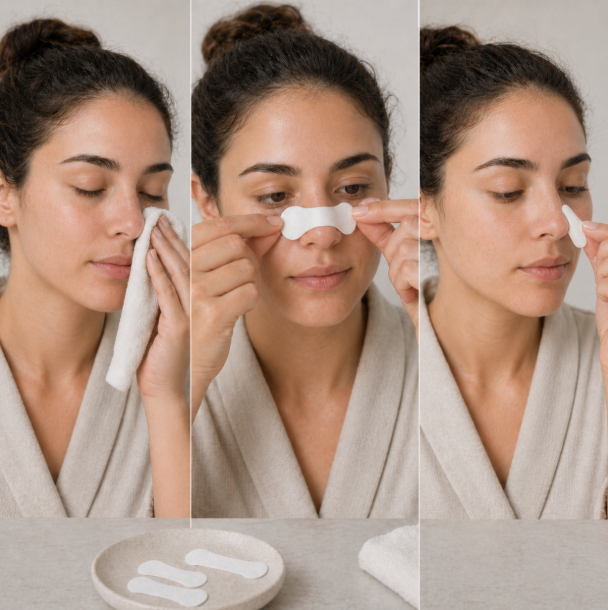
Even a good strip can underperform if it is placed badly. Correct use affects airflow, comfort, and repeatability. In many cases, people who think the product does not work are really dealing with a sizing or placement problem.
Clean and Prepare
Wash and dry the nose before application. Oil, sweat, or skincare residue can reduce adhesion and make the strip lift too early. Clean skin usually improves both fit and consistency.
Place It Carefully
Position the strip across the bridge of the nose and above the flare of the nostrils, following product instructions. If it sits too high, the lifting effect may be weak. If it sits too low, it may feel awkward or fail to support the area that needs help.
Remove It Gently
Take the strip off slowly, ideally after loosening the adhesive with warm water if your skin is sensitive. Gentle removal matters because long-term tolerance depends not only on how the strip performs at night or during exercise, but also on how it feels afterward.
CUSTOM OEM/ODM SUPPORT
Ready to Launch Your Next Patch Product?
From product concept and packaging to fast sampling and manufacturing, Athena helps brands build nasal strips, mouth tape, and skincare patches efficiently.
Contact Us NowFAQ
1.Do Nasal Strips Work?
Yes, for some people. The strongest support is for making nasal breathing feel easier by opening the nostrils mechanically. That is different from claiming they solve every sleep or breathing issue. They work best when the problem involves nasal resistance, congestion, or mild narrowing at the front of the nose.
2.Can Nasal Strips Stop Snoring?
They may help some people whose snoring is linked to nasal blockage, but they are not a universal anti-snoring fix. If the snoring comes from deeper airway collapse or a more complex sleep issue, the strip is unlikely to solve the problem by itself.
3.Are Nasal Strips Useful for Athletes?
They can be useful when the goal is breathing comfort or easier nasal airflow, especially if the athlete feels limited by a stuffy nose. But they should be viewed as a support tool rather than a guaranteed edge.
4.Can You Use Nasal Strips Every Night?
Many people do, but tolerance depends on skin sensitivity, correct fit, and whether the strips are being used for the right reason. If they cause irritation or fail to address the actual source of the problem, it makes more sense to reassess than to force a routine.
Conclusion

Nasal stripsare best understood as a simple mechanical aid, not a cure-all. They can be genuinely useful when the main issue is at the level of the nose: congestion, mild narrowing, or airflow resistance that makes nasal breathing less comfortable during sleep or exercise. That is why they remain relevant in both bedtime routines and sports settings.
The practical conclusion is this: use them for the right problem and the right setting. For sleep, think comfort, gentle hold, and congestion-related airflow support. For sports, think secure fit and breathing feel rather than dramatic performance claims. When expectations stay realistic, nasal strips can be a useful part of a routine. When the real issue is something deeper, they should be seen as a limited tool rather than the full answer.
Sections
30 July 2026
Learn why nasal strips may irritate skin or leave marks, including adhesive, material, and wearing factors. Discover how skin-friendly nasal strip designs improve comfort and what brands should consider when developing custom nasal strips.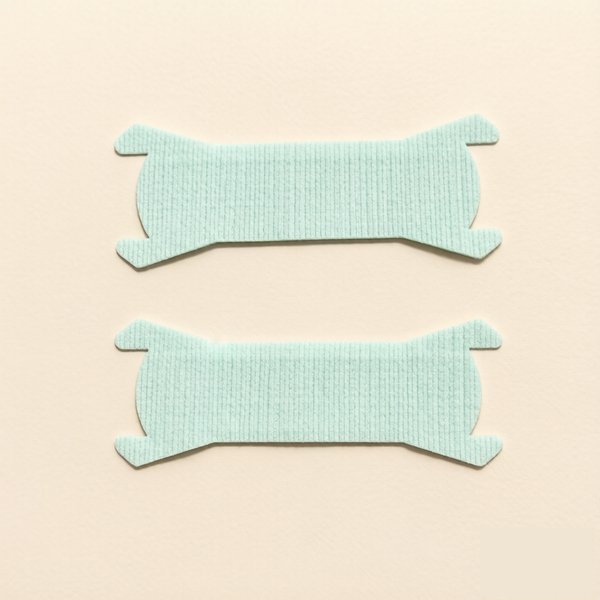 Read More
30 April 2026
Nasal strips for snoring help most when snoring is strongly linked to nasal blockage rather than deeper throat collapse. The people most likely to notice relief are those with bedtime congestion, seasonal allergy flare-ups, mild narrowing near the nasal valve, or snoring that clearly gets worse when the nose feels blocked.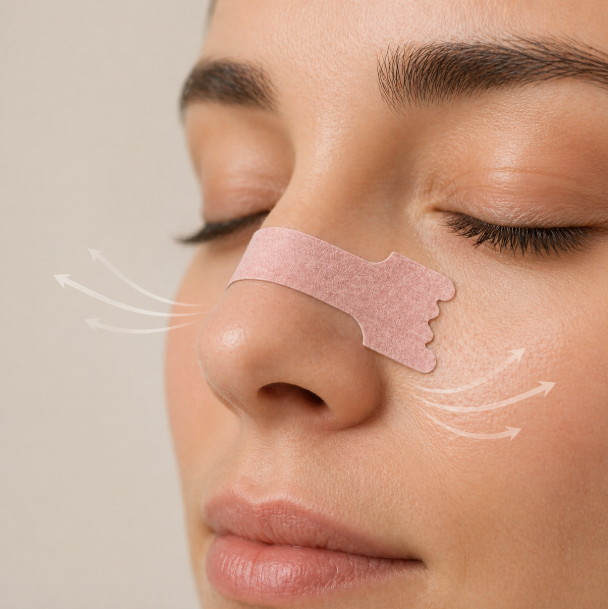 Read More