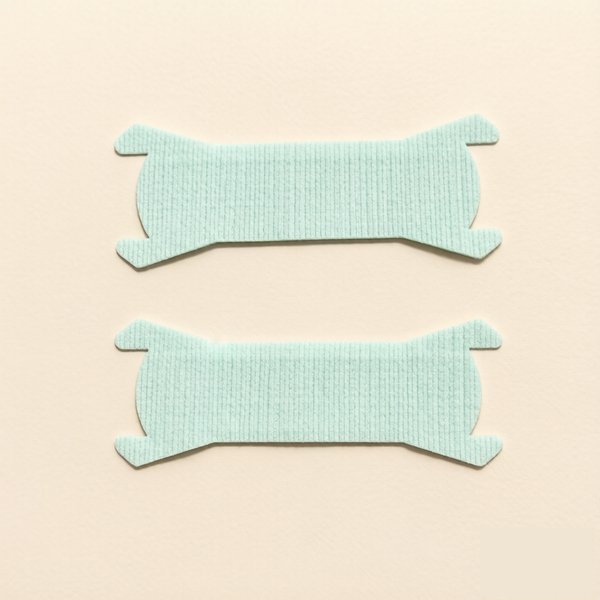
How Do Nasal Strips Work And When They're Most Useful?
Date:2026-04-29
Read:135
source: Zoey
Abstract
Nasal strips are external nasal dilators that improve airflow by lifting the sides of the nose outward. Their main value is practical: they can make nose breathing feel easier when mild narrowing, nighttime congestion, or nasal resistance is part of the problem. Their effect is usually limited when the main issue is deeper in the airway, such as chronic inflammation, significant structural obstruction, or obstructive sleep apnea.
Quick Answer
How do nasal strips work? They gently pull the nostrils open from the outside, which can reduce nasal resistance and improve airflow when the nose itself is the main bottleneck.
Key Takeaways
· How do nasal strips work: they act as drug free nasal strips that widen the nostrils mechanically, not chemically.
· The benefits of nasal strips are more noticeable with mild nasal narrowing, bedtime stuffiness, or snoring linked to nasal blockage.
· Do nasal strips work for everyone? No. They may improve nasal breathing, but they do not meaningfully treat obstructive sleep apnea.
· Correct placement matters. A poor fit can make a useful product feel ineffective.
What Do Nasal Strips Do?
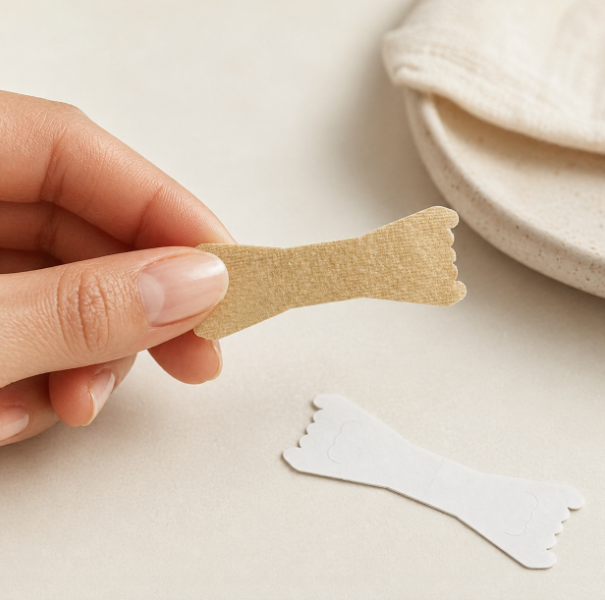
They widen the nostrils from the outside and help air move through the nose with less resistance. They do not reduce swelling directly, and they do not treat the throat or lungs. Their role is narrower: they support the outer nasal wall so breathing through the nose feels easier.
Why They Feel Helpful For Some People?
The effect is often easiest to notice when the front part of the nose is the main source of resistance. In that setting, a small outward lift can change how open the nose feels during inhalation. That is why many users describe nasal strips as making breathing feel smoother or less tight rather than producing a dramatic medical effect.
Why They Are Often Called A Non-Medicated Option?
Many people choose drug free nasal strips because they want airflow support without relying on a spray or decongestant. That makes them useful as a simple first-line tool for selected cases, especially when symptoms are mild and clearly centered in the nose.
The Core Mechanism Behind How Nasal Strips Work

The answer to how nasal strips work is mechanical dilation. After the strip is placed across the bridge of the nose, its flexible bands pull outward on the nasal walls. That outward tension helps keep the nostrils more open, especially around the nasal valve area, which is one of the narrowest parts of the nasal airway. When resistance drops at that point, breathing through the nose may feel easier.
Why The Nasal Valve Area Matters?
The nasal valve has a large influence on airflow because it is naturally narrow. A small increase in width can therefore create a noticeable change in breathing comfort. This is why some people feel a clear benefit within minutes of putting on a strip.
Why Placement Changes The Outcome?
Good placement is part of how do nasal strips work in real life. If the strip sits too high, it may not lift the nostrils enough. If it sits on oily or damp skin, the adhesion can weaken before it creates a stable effect. A correctly placed strip on clean, dry skin is much more likely to feel useful than a poorly placed one.
When Nasal Strips Are Most Useful?

The benefits of nasal strips are easiest to understand when they are tied to specific use cases rather than broad promises. They work best when the nose is partly restricted, not completely blocked.
Nasal Strips For Stuffy Nose At Night
One common use case is nasal strips for stuffy nose during sleep. If the nose feels mildly congested at bedtime, opening the nostrils slightly may make nasal breathing steadier and more comfortable.
Nasal Strips For Snoring Linked To Nasal Blockage
Nasal strips for snoring make the most sense when snoring worsens on nights with congestion, allergies, or obvious nasal blockage. In those situations, lowering nasal resistance may reduce turbulent airflow and help some users snore less.
Mild Narrowing Near The Front Of The Nose
People with mild valve-area narrowing may notice the clearest improvement because that is the exact area the strip is helping support. In these cases, the product does not need to fix the whole airway to feel useful; it only needs to reduce the local resistance that is making breathing uncomfortable.
When Results Are Limited?

Do nasal strips work less well in some cases? Yes. Their biggest limitation is that they only change the outer part of the nose. If the main problem is deeper inflammation, heavy mucus, internal anatomy, or airway collapse during sleep, the result may be modest.
Chronic Congestion And Ongoing Inflammation
A strip can widen the nostrils, but it does not directly reduce allergic swelling or sinus-related inflammation. That means someone with chronic congestion may feel only partial relief, even if the strip is functioning correctly.
Deviated Septum And Other Structural Problems
For a deviated septum, the likely benefit is partial. The strip may make the entrance of the nose feel more open, but it does not correct the internal structure. In practice, that means it can serve as a comfort aid without acting as a true solution.
Suspected Sleep Apnea
This is the key caution point. Nasal strips may improve airflow through the nostrils, but they do not address the deeper airway collapse seen in obstructive sleep apnea. For gasping, repeated breathing pauses, choking awakenings, or marked daytime sleepiness, they are too limited to rely on alone.
How To Use Nasal Strips Correctly?
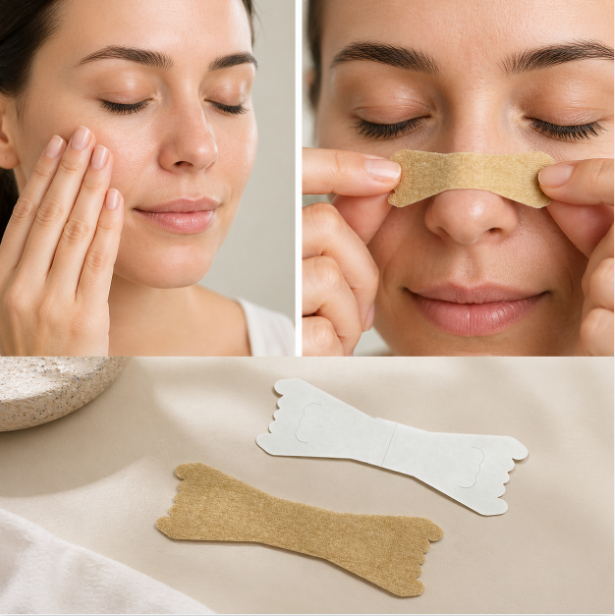
Practical use matters. The difference between helpful and not noticeable often comes down to application.
How To Put On Nasal Strip Correctly?
For how to put on nasal strip correctly, start with clean, dry skin. Then place the strip across the bridge of the nose and above the flare of the nostrils, where it can create an outward lift. If the strip sits too high or too low, the mechanical effect is reduced.
How To Use Nasal Strips In A Useful Trial?
For how to use nasal strips effectively, test them in a situation where nasal blockage is mild to moderate, not extreme. Judge the result by one practical question: does breathing through the nose feel easier within a few minutes?
Common Reasons A Strip Feels Underwhelming
The most common reasons are poor placement, weak adhesion, or using the strip for the wrong problem. When the nose is completely blocked or the issue is deeper in the airway, even a properly applied strip may not produce much relief.
Quick Comparison Table
Situation | Best Keyword Fit | Likely Result | Practical Reading |
Mild bedtime congestion | nasal strips for stuffy nose | Easier-feeling nasal breathing | Good first trial |
Snoring with nasal blockage | nasal strips for snoring | May reduce snoring for some users | Case-dependent |
Mild valve-area narrowing | how nasal strips work | Noticeable airflow support | Stronger fit |
Chronic inflammation | do nasal strips work | Often limited relief | May need other treatment |
Deviated septum | benefits of nasal strips | Partial help at most | Comfort aid, not correction |
Suspected OSA | how do nasal strips work | Too limited on their own | Not an apnea treatment |
FAQ
1.Do Nasal Strips Work For Everyone?
No. They reliably widen the nostrils, but the real benefit depends on whether nasal resistance is actually the main problem. They are more useful for mild front-end restriction than for deeper airway issues.
2.Can They Help With A Stuffy Nose?
Sometimes. Nasal strips for stuffy nose are more likely to feel helpful when congestion is mild enough that air is still moving through the nose. If swelling is heavy or the blockage sits deeper, the result may be smaller.
3.Are They Useful For Snoring?
They can be, but the fit has to be right. Nasal strips for snoring are most plausible when nasal blockage is part of the reason the person snores. They are much less convincing when the snoring is driven by deeper airway collapse.
4.Are They Mostly For Sleep?
Sleep is a common use case, but the real logic is broader: they are useful whenever the nose is the part creating resistance. That is why they are discussed for sleep, congestion, and simple airflow support.
Conclusion

How do nasal strips work? They work by lifting the outer nasal walls and helping the nostrils stay more open. That can make breathing through the nose easier when the issue is mild narrowing, bedtime congestion, or nasal blockage linked to snoring.
The most useful way to judge them is by fit. They are a practical option for the right problem and a limited option for the wrong one. For mild nasal resistance, they are often worth trying. For chronic obstruction, major structural issues, or suspected sleep apnea, they should not be treated as a complete answer.