Who Gets The Most Relief From Nasal Strips For Snoring?
Date:2026-04-30
Read:126
source: Zoey
Abstract
Nasal strips for snoring help most when snoring is strongly linked to nasal blockage rather than deeper throat collapse. The people most likely to notice relief are those with bedtime congestion, seasonal allergy flare-ups, mild narrowing near the nasal valve, or snoring that clearly gets worse when the nose feels blocked. Their effect is usually limited when snoring is loud, chronic, or accompanied by gasping, witnessed breathing pauses, or marked daytime sleepiness. [1]
Quick Answer
The best candidates for nasal strips for snoring are people whose snoring rises with nasal stuffiness, allergy-related blockage, or mild nasal narrowing. They help airflow through the nose, not deeper airway obstruction.
Key Takeaways
· Do nasal strips help with snoring? Yes, sometimes—mainly when blocked or narrow nasal airways are part of the cause.
· The strongest-fit users are people with nighttime congestion, seasonal allergies, chronic rhinitis, or mild nasal valve narrowing rather than people with clear signs of obstructive sleep apnea.
· Reasonable expectations matter: snore strips may reduce nasal resistance and soften some snoring, but they are not a guaranteed stop snoring solution.
· If snoring comes with gasping, breathing pauses, or significant daytime fatigue, a strip is too limited to treat the underlying problem.
Which Types Of Snorers Benefit Most?
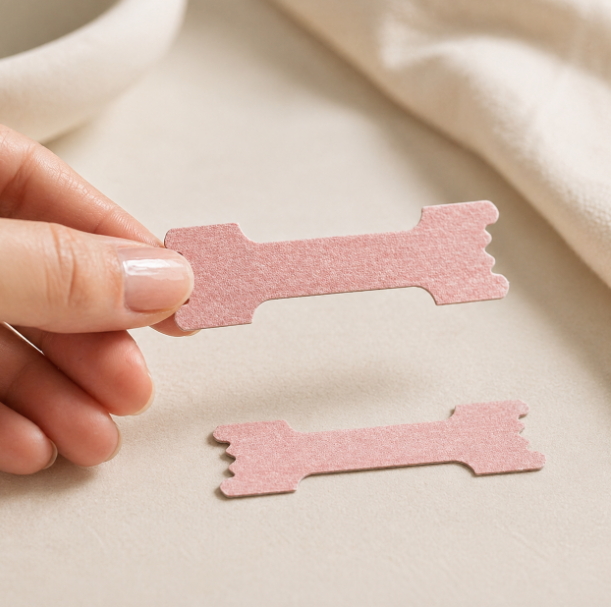
The best-fit group for nasal strips for snoring is not all snorers. The clearest candidates are people whose snoring rises when nasal airflow drops. That includes people with bedtime congestion, seasonal allergies, chronic rhinitis, or mild narrowing near the nasal valve. In these cases, the nose is part of the bottleneck, so improving nasal airflow is more likely to change the sound and intensity of snoring.
People Whose Snoring Gets Worse With Bedtime Congestion
If snoring becomes more noticeable on nights when the nose feels stuffy, a strip is a reasonable trial. This pattern often appears with colds, mild rhinitis, or temporary swelling in the nose. When the nostrils open a little more, breathing through the nose may feel easier and sleep breathing may become quieter.
People With Seasonal Allergies Or Chronic Rhinitis
People whose snoring tracks with allergy season or chronic rhinitis may also notice more benefit than average. Their snoring often worsens when nasal airflow is restricted, so a strip can help when the problem is mainly at the front of the nose.
People With Mild Nasal Valve Narrowing
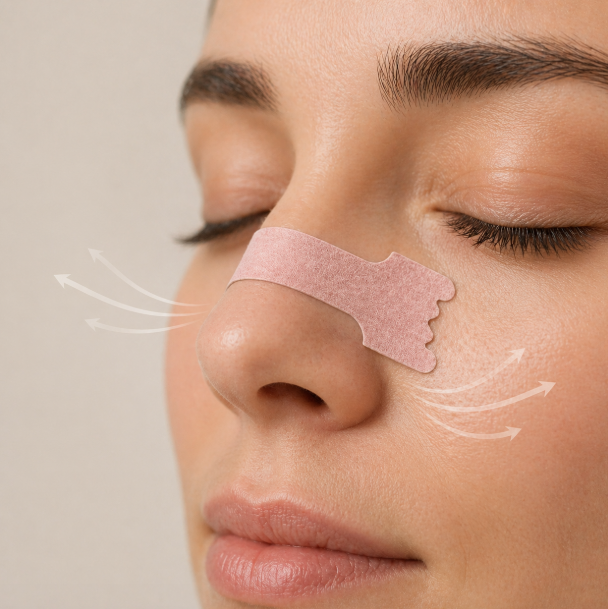
Mild narrowing near the nasal valve is another good-fit scenario. Because the strip supports the outer nose and helps the nostrils stay more open, the effect is more noticeable when that area is already somewhat narrow.
Heavy Snorers Without Obstructive Sleep Apnea
Some selected heavy snorers may also benefit when sleep apnea has already been excluded. In a 1997 study of habitual heavy snorers with low apnea indexes, participants using Breathe Right strips reported reductions in snoring, mouth dryness, and Epworth Sleepiness Scale scores over 14 nights. That does not mean every heavy snorer will respond, but it shows why the right subgroup matters. [2]
Do Nasal Strips Help With Snoring In Real Life?

Yes, but only when their mechanism matches the cause. Nasal dilator strips work on the nose, not the tongue, soft palate, or lower airway. That means they are most relevant when snoring is being amplified by poor nasal airflow rather than by deeper tissue vibration farther back in the throat.
Why Nasal-Based Snoring Responds Better?
When the nose is blocked or narrow, airflow becomes harder and more turbulent. That can push people toward mouth breathing or create noisier breathing patterns during sleep. Because nasal strips for snoring widen the nostrils from the outside, they are more likely to help when front-end resistance is part of what is driving the noise.
Why Some People Feel Very Little Difference?
A strip is less likely to change much when snoring comes mainly from throat relaxation, alcohol-related airway narrowing, obesity-related airway crowding, or untreated sleep apnea. In those cases, the product may still improve nasal airflow, but the main source of the sound is elsewhere.
What Kind Of Relief Is A Reasonable Expectation?
The best way to frame snore strips is as a targeted aid, not a universal fix. For the right user, a good outcome may be quieter snoring, easier nose breathing, less dry mouth in the morning, or fewer nights where congestion seems to trigger noisy sleep. That is a useful result, but it is different from eliminating snoring entirely.
What “Helpful” Usually Looks Like?
A reasonable expectation is partial relief. You might snore less intensely, snore on fewer nights when congestion flares, or feel more comfortable breathing through the nose. For many users, that level of improvement is enough to make the product feel worthwhile.
What “Stop Snoring” Usually Does Not Mean?
The phrase nasal strips to stop snoring is commercially understandable, but medically it is too broad for most cases. For many people, strips can reduce a nasal contributor to snoring; they do not reliably erase all snoring across all causes.
When Nasal Strips To Stop Snoring Are Not Enough?
Some patterns should shift the focus away from anti-snoring nasal strips and toward a broader evaluation. Loud habitual snoring is one example, but the red flags matter even more than the volume.
Signs The Cause May Be Deeper Than The Nose
If snoring comes with witnessed pauses in breathing, choking awakenings, gasping during sleep, or marked daytime sleepiness, a strip is too limited to serve as the main answer. Those patterns suggest a deeper sleep-breathing issue and deserve more than a nasal airflow tool. [3]
Structural Problems May Need More Than A Strip
A strip may also be underpowered when the issue is a meaningful deviated septum, persistent nasal obstruction, or more severe nasal valve collapse. In those situations, the result is often partial rather than transformative.
Snoring Driven By Non-Nasal Factors
If alcohol, back sleeping, obesity, or throat anatomy are the main drivers, the return from nasal strips for snoring may be limited. The strip can still work as designed, but the main problem may be elsewhere.
Quick Comparison Table
|
Snoring Pattern |
Fit For Nasal Strips For Snoring |
Likely Outcome |
Practical Read |
|
Worse with nighttime stuffiness |
High |
Easier nasal breathing, possible snoring reduction |
Good first trial |
|
Worse during allergies or colds |
High |
Useful on flare-up nights |
Best for nasal-based symptoms |
|
Mild nasal valve narrowing |
High |
Noticeable improvement for some users |
Stronger fit than average |
|
Loud chronic snoring with gasping |
Low |
Limited benefit |
Consider deeper airway cause |
|
Suspected sleep apnea |
Very low |
Not enough on its own |
Needs fuller evaluation |
|
Structural nasal obstruction |
Medium to low |
Partial relief at most |
May need ENT assessment |
Practical Decision Chart

Start Here
→ Is the snoring clearly worse when the nose feels blocked?
→ Nasal strips for snoring are a reasonable first trial.
→ Does the person still breathe through the nose during the day but struggle more at night?
→ A strip may help enough to make sleep breathing quieter.
→ Is the snoring accompanied by gasping, pauses, or major daytime tiredness?
→ Do not rely on nasal strips to stop snoring alone.
→ Is the nose chronically obstructed or anatomically narrowed?
→ A strip may provide partial help, but the ceiling is lower.
CUSTOM OEM/ODM SUPPORT
Ready to Launch Your Next Patch Product?
From product concept and packaging to fast sampling and manufacturing, Athena helps brands build nasal strips, mouth tape, and skincare patches efficiently.
Contact Us NowFAQ
1.Do Nasal Strips Help With Snoring For Everyone?
No. They help the most when blocked or narrow nasal passages are contributing to snoring. They help much less when the main cause sits deeper in the throat or involves obstructive sleep apnea.
2.Who Is The Best Candidate For Nasal Strips For Snoring?
The best candidate is someone whose snoring gets worse with nasal congestion, allergies, or mild airflow restriction at the nose. People with mild nasal valve narrowing also fit better than average.
3.Can Nasal Strips To Stop Snoring Replace Medical Evaluation?
No. They are a comfort and airflow tool, not a replacement for evaluation when snoring is loud, chronic, or paired with breathing pauses, choking, or daytime sleepiness.
4.Are Snore Strips Worth Trying Before Other Options?
Yes, when symptoms point to nasal blockage and the risk profile seems low. They are simple, noninvasive, and reasonable as an early trial in nasal-based snoring, but they should be judged by whether they actually reduce symptoms over several nights.
Conclusion
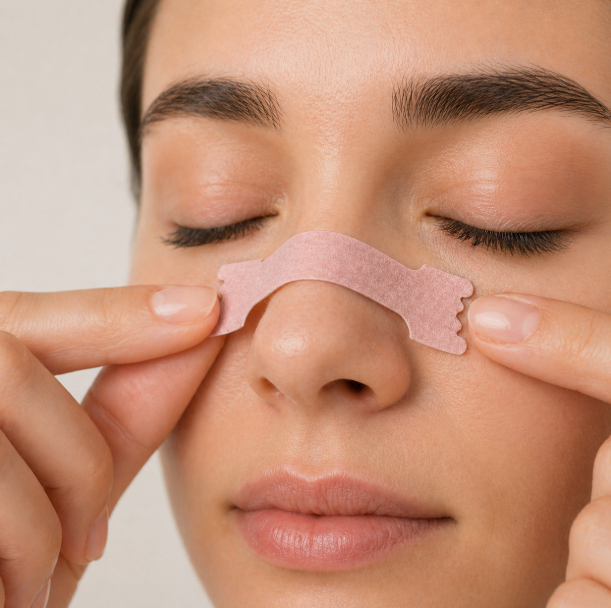
The people who get the most relief from nasal strips for snoring are usually those whose snoring has a strong nasal component: nighttime congestion, allergy-driven blockage, mild chronic rhinitis, or narrowing near the nasal valve. In those settings, strips can reduce resistance at the nose and make sleep breathing quieter or more comfortable.
The people least likely to benefit are those with clear red flags for a deeper sleep-breathing problem or a major structural issue. That is the most useful way to read the keyword do nasal strips help with snoring: yes, for the right snorer; no, not as a catch-all stop snoring solution.
References
[1] NHS. Snoring. https://www.nhs.uk/symptoms/snoring/
[2] PubMed. Effect of Breathe Right nasal strip on snoring. https://pubmed.ncbi.nlm.nih.gov/9299650/
[3] Cleveland Clinic. Snoring: Causes, Remedies & Prevention. https://my.clevelandclinic.org/health/diseases/15580-snoring
Sections
23 April 2026
This article explains when mouth tape for snoring may be useful, where it tends to disappoint, and how to judge product fit without overpromising results. It focuses on the practical snoring scenario behind the search: mouth opening at night, dry mouth, partner complaints, and mild snoring that seems worse when the lips part during sleep.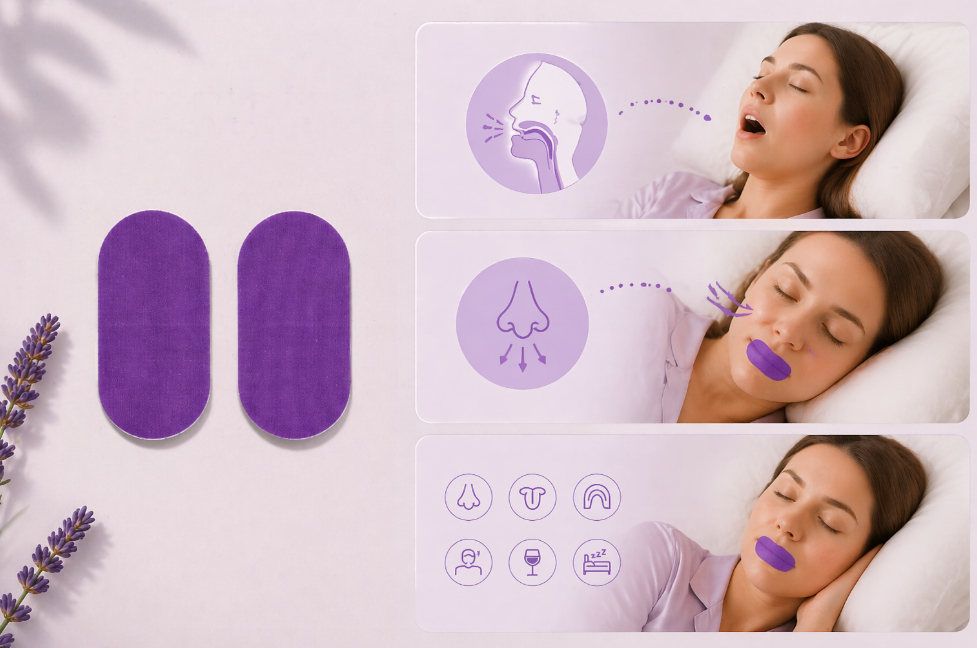 Read More