Can Mouth Tape Help Reduce Snoring at Night?
Date:2026-04-23
Read:117
source: Zoey
Abstract
This article explains when mouth tape for snoring may be useful, where it tends to disappoint, and how to judge product fit without overpromising results. It focuses on the practical snoring scenario behind the search: mouth opening at night, dry mouth, partner complaints, and mild snoring that seems worse when the lips part during sleep. It also separates that scenario from red-flag patterns such as blocked nasal breathing, gasping, choking, or heavy daytime sleepiness.
Quick Answer
Mouth tape for snoring may help some people when snoring is strongly linked to sleeping with the mouth open, but it is not a cure and should not replace evaluation for nasl blockage or sleep apnea.
Key Takeaways
· Mouth tape for snoring is most relevant when the mouth falls open during sleep and nasal breathing is otherwise comfortable.
· It is less likely to help snoring driven mainly by nasal obstruction, throat collapse, alcohol use, or suspected sleep apnea.
· Product choice should prioritize skin comfort, steady hold, easy removal, and a design that suits overnight wear.
· A short, low-risk trial works better than assuming every snore tape mouth product will perform the same way.
· If snoring is loud, irregular, or paired with gasping, choking, or major fatigue, seek medical evaluation instead of self-treating.
What mouth tape for snoring is actually trying to solve?
Why the topic keeps growing?
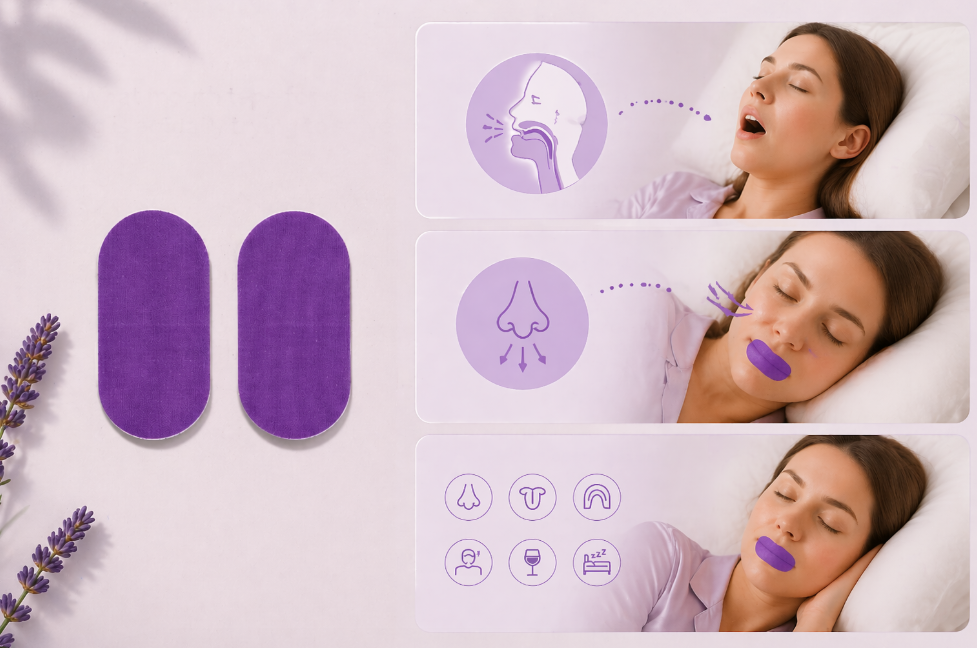
Interest in mouth tape for snoring usually starts with a simple pattern: the mouth falls open, snoring gets louder, and the sleeper wakes with dry mouth. In that case, people are trying to reduce one visible trigger rather than solve every snoring cause.
Why do people sleep with tape on their mouth?
Some people use tape to encourage nasal breathing and keep the lips from separating during sleep. That is the practical logic behind why do people sleep with tape on their mouth.
Mouth opening is only one snoring pathway
Snoring can also come from nasal blockage, tongue position, soft palate vibration, back sleeping, alcohol, or sleep apnea. That is why mouth tape for snoring only makes sense when mouth-open sleep is a clear part of the picture.
Table: At-a-glance fit for mouth tape for snoring
Snoring pattern | Fit level | Why it may help or fail | Best next step |
Mouth opens during sleep, nose feels clear | Higher | Lip closure may reduce mouth-open airflow and dry mouth | Consider a careful trial |
Snoring mainly on the back | Moderate | Works better with side sleeping or pillow support | Use as part of a combo approach |
Constant nasal blockage | Low | Tape does not solve poor nasal airflow | Address congestion first |
Gasping, choking, pauses, major fatigue | Poor self-test fit | Could point beyond simple snoring | Seek medical evaluation |
How mouth tape for snoring may work in a snoring scenario?
When mouth breathing is the main driver?
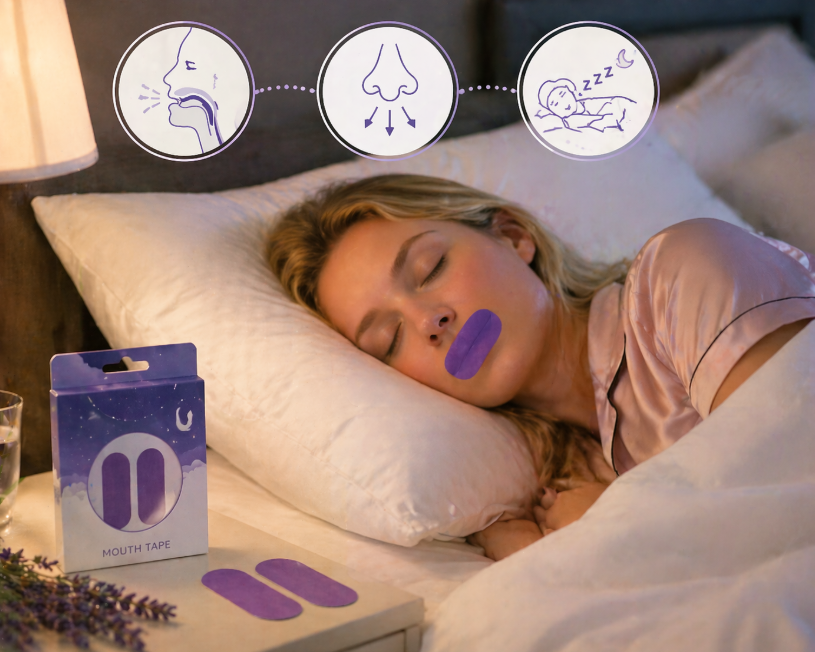
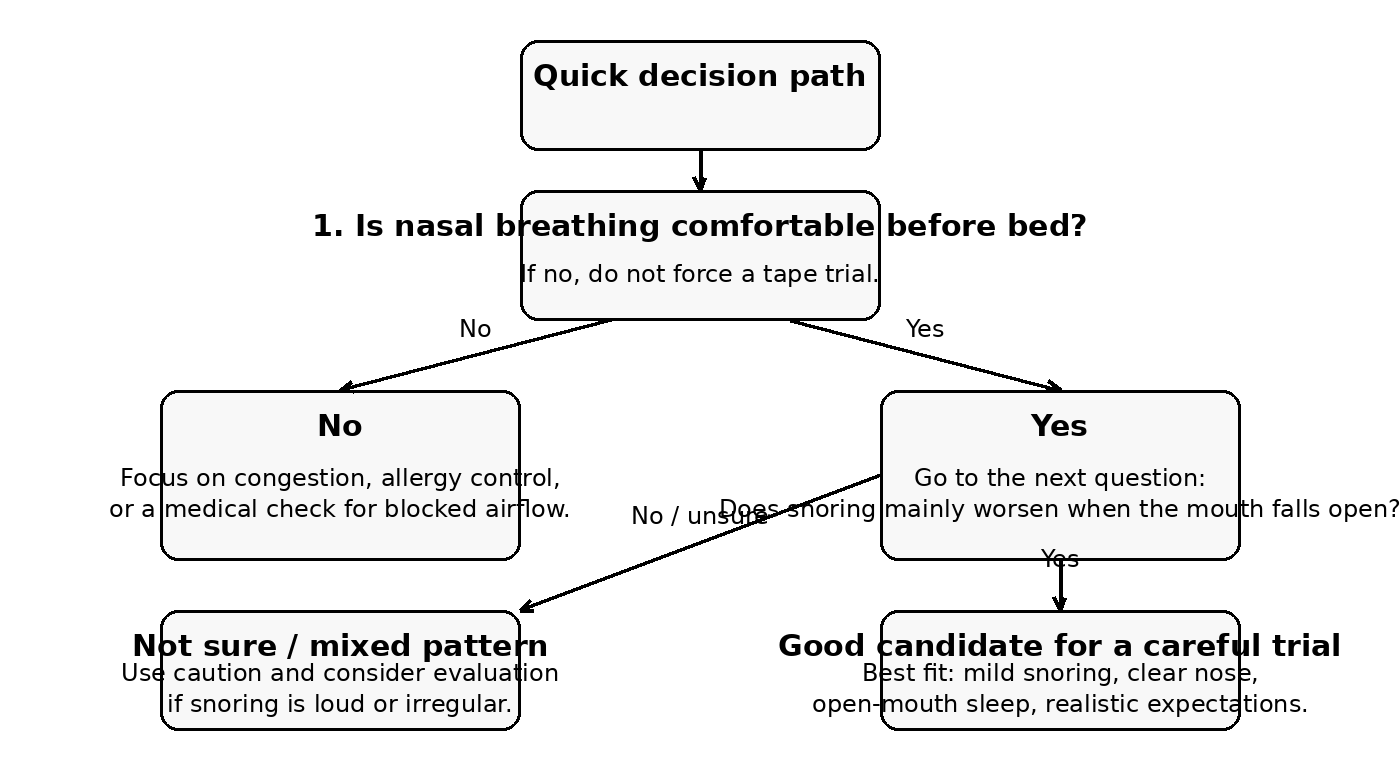
If nasal breathing feels comfortable before sleep and snoring mainly worsens after the mouth opens, mouth tape for snoring may help by supporting lip closure. For some users, that means less dry mouth and less mouth-open airflow.
What it does not do?
Tape does not correct major nasal blockage, change airway anatomy, or diagnose sleep-disordered breathing. It is a situational aid, not a universal anti-snoring fix.
Why results are often mixed?
Results vary because snoring has different causes. A short trial with realistic expectations works better than assuming every snore tape mouth product will perform the same way.
Chart: Quick screening path before trying mouth tape for snoring
Who is most likely to benefit from mouth tape for snoring?
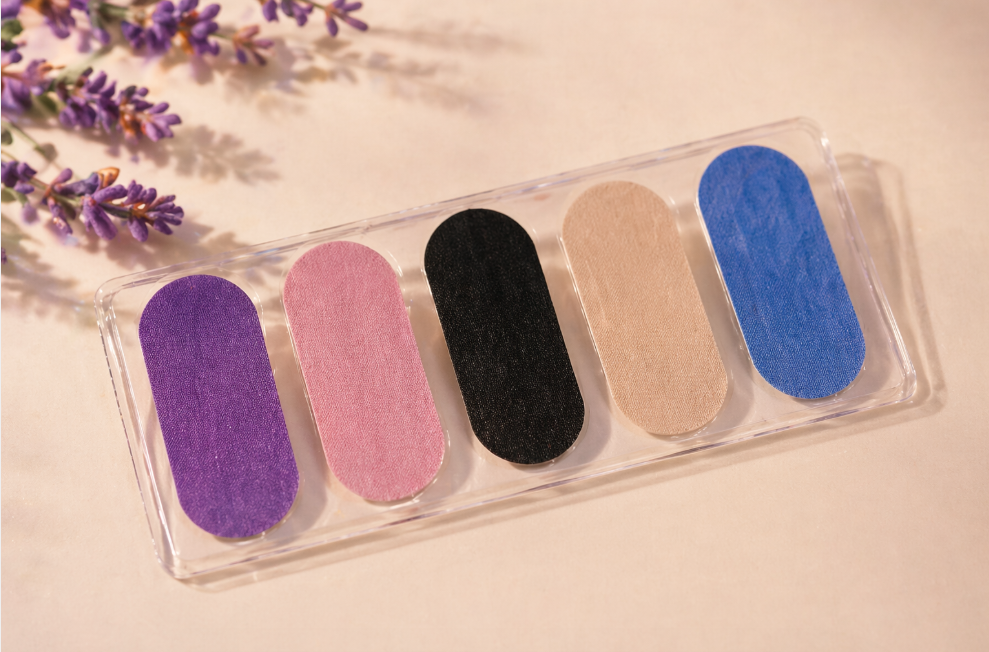
Mild snorers with obvious mouth-open sleep
The strongest fit is usually a mild snorer whose mouth falls open during sleep and who often wakes with a dry mouth. That is the clearest use case for mouth tape for snoring.
People whose snoring worsens on their back
If snoring becomes worse in a back-sleeping position, tape may work better when paired with side sleeping or pillow support. In that situation, it is part of a combination strategy.
People with comfortable nasal breathing
Clear nasal breathing matters. If the nose feels blocked most nights, lip closure may feel restrictive rather than helpful.
When not to rely on snore tape mouth products?
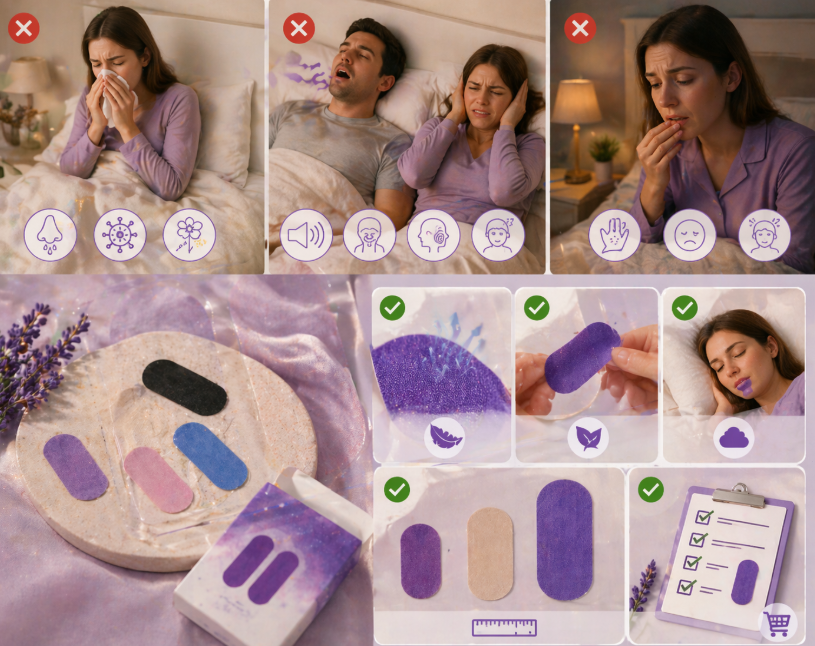
Nasal blockage, colds, or allergy flare-ups
Do not treat lip closure as the main answer when the real problem is poor nasal airflow. Congestion and allergy flare-ups can make any tape trial uncomfortable.
Signs that point beyond simple snoring
Loud snoring with gasping, choking, witnessed pauses, morning headaches, or major daytime sleepiness should not be handled as a basic snore tape mouth purchase decision.
Skin, anxiety, or tolerance issues
If the tape feels overly sticky, irritating, or mentally uncomfortable, the product is not a good fit. Comfort matters because overnight use depends on consistency.
How to choose the best mouth tape for snoring?
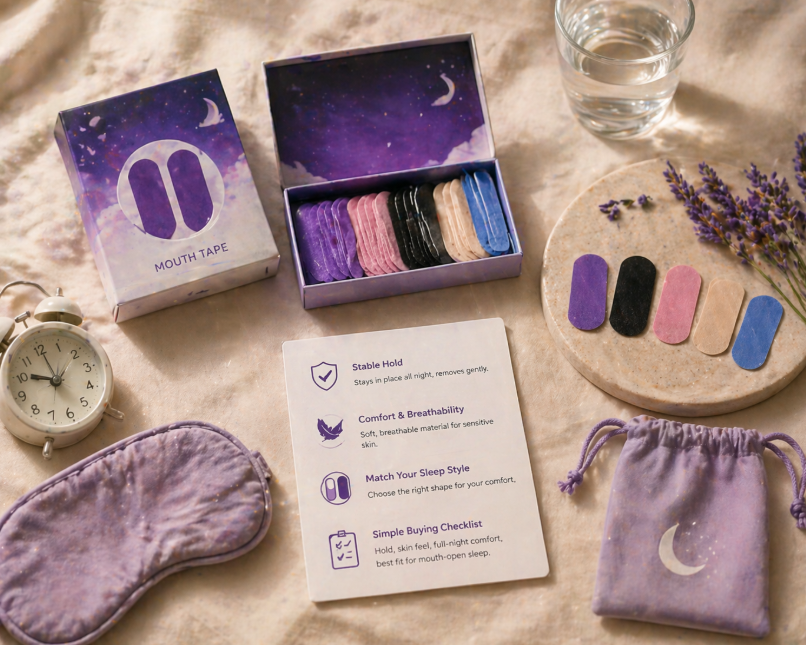
Stable hold beats aggressive hold
For overnight use, the best option is rarely the strongest adhesive. A better choice is a tape that stays in place without painful morning removal.
Comfort, breathability, and skin tolerance
Soft skin feel, low irritation, and steady overnight comfort matter more than dramatic packaging claims. That is especially important for people shopping mouth tape for snoring rather than chasing a trend.
Match the shape to your sleep habit
Some users prefer a small central strip, while others prefer a wider patch. The right format depends on movement during sleep, facial hair, and removal preference.
Use a simple buying checklist
Compare hold, skin feel, full-night comfort, and whether the product clearly fits mouth-open sleep. This keeps the decision focused and practical.
Table: Product comparison checklist for mouth tape for snoring
What to compare | What good looks like | What to avoid | Why it matters |
Adhesion | Secure but not harsh | Painful morning pull | Repeat use depends on comfort |
Material feel | Soft and skin-friendly | Frequent irritation | Overnight wear is long wear |
Shape | Matches lip size and movement | Wrong format for your sleep habit | Fit affects comfort |
Use case clarity | Explains mouth-open sleep fit | Generic wellness claims | Scenario-based guidance helps buying |
How to use mouth tape for snoring more carefully?
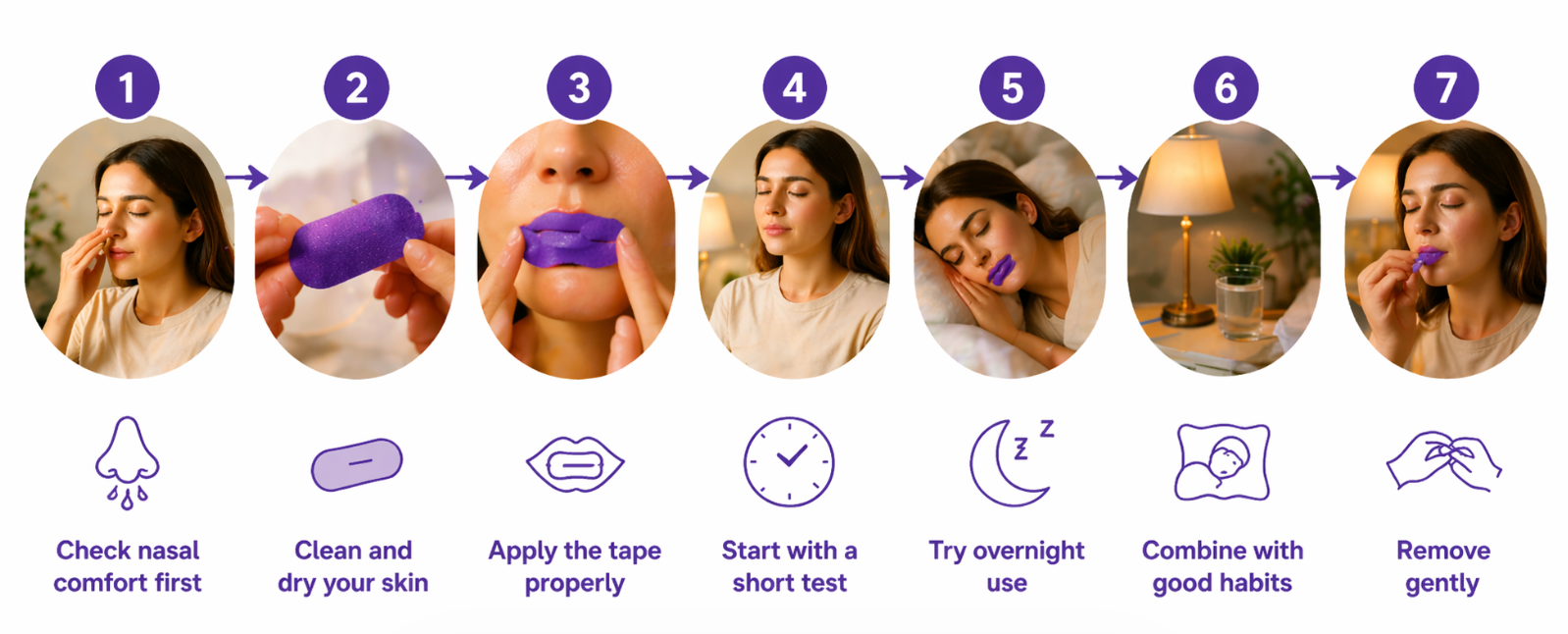
Check nasal comfort first
Before trying tape, make sure nasal breathing feels calm and easy while lying down. If not, do not force the trial.
Start with a short test
A short comfort test works better than jumping straight into an all-night routine. This lets you judge skin reaction, tolerance, and fit.
Combine it with basic snoring habits
For some users, tape works best alongside side sleeping, lower evening alcohol intake, and better nasal comfort. The tape can only address one part of the snoring picture.
CUSTOM OEM/ODM SUPPORT
Ready to Launch Your Next Patch Product?
From product concept and packaging to fast sampling and manufacturing, Athena helps brands build nasal strips, mouth tape, and skincare patches efficiently.
Contact Us NowFAQ
1.Can mouth tape for snoring cure snoring?
No. It may reduce a mouth-breathing-related part of snoring, but it does not solve every snoring cause.
2.Why do people sleep with tape on their mouth?
Most people try it to keep the mouth from falling open and to encourage nasal breathing during sleep.
3.Are snore tape mouth products useful for partner complaints
They can be, especially when the snoring is mild and clearly worse with open-mouth sleep.
4.When should I get medical advice?
If snoring is loud, worsening, irregular, or paired with choking, gasping, or daytime exhaustion, seek a professional evaluation.
Conclusion
Mouth tape for snoring can help some people, but only when it matches the problem. Its best use case is mouth-open sleep with clear nasal breathing, mild snoring, and realistic expectations. It is much less convincing when the pattern suggests blocked airflow or broader sleep-breathing problems.