Why Gym Nose Strips Matter for Workouts and High-Intensity Training?
Date:2026-06-24
Read:123
source: Zoey
Summary:
Gym nose strips matter for workouts because gym training creates movement, sweat, heat, and breathing pressure that ordinary casual-use strips may not handle well. In a gym environment, users may move quickly between cardio machines, weight training, HIIT circuits, stretching areas, and recovery zones. A nose strip used in this setting needs to feel stable, comfortable, and practical during different workout stages.
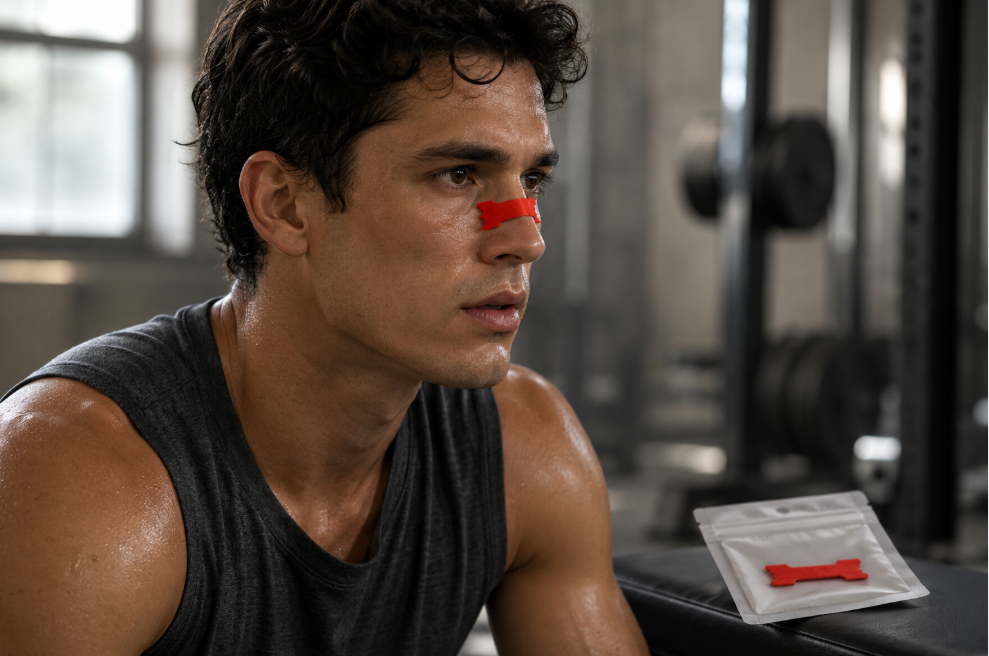
The main value of gym nose strips is not a guaranteed performance boost, but practical breathing comfort during active routines. For some users, an external nasal strip may help the nose feel more open during warmups, steady cardio, or high-effort intervals. However, training results still depend on fitness level, conditioning, recovery, technique, and overall health.
Why Do Nose Strips for Gym Workouts Need a Different Design?
Nose strips for gym workouts need a different design because gym users face more sweat, facial movement, and repeated intensity changes than casual users. A strip that works well during quiet daily use may not stay flat during treadmill running, circuit training, rowing, cycling, or strength sessions. Gym conditions make product stability more important.
The design should focus on real workout conditions rather than dramatic claims. A gym-focused nasal strip should apply easily, stay in place during movement, feel flexible on the nose, and remove cleanly after training. These details are more useful to gym users than promises about speed, endurance, or strength gains.
What Makes High-Intensity Training Nose Strips Different?
High-intensity training nose strips need stronger stability because HIIT often combines sweat, fast movement, and short recovery windows. During high-intensity intervals, users may jump, sprint, cycle, row, lift, and recover repeatedly. The strip should not distract the user by lifting, shifting, or feeling too stiff.
The best design for high-intensity use is usually balanced rather than extreme. Strong adhesive is useful, but it should not feel harsh on the skin. A flexible structure is important, but it should still provide enough lift to support nasal airflow comfort. For HIIT users, a strip should feel secure without becoming uncomfortable.
Why Do Nose Strips for Sweaty Workouts Need Better Adhesion?
Nose strips for sweaty workouts need better adhesion because moisture can weaken the bond between the strip and the skin. Sweat, skincare products, oil, and repeated facial movement can all make the edges lift earlier than expected. This is why workout-focused strips should be tested for real movement and sweat conditions.
Adhesion should also be designed with removal comfort in mind. If the strip is too weak, it may peel during training. If it is too strong, it may feel uncomfortable after the workout. For gym use, a reliable strip needs both staying power and clean removal.
How Do Workout Nose Strips Support Breathing Comfort During Training?
Workout nose strips may support breathing comfort by gently lifting the outside of the nose and helping some users feel less restricted through the nasal passage. This external lifting design does not require medication, batteries, or equipment. It is simple, visible, and easy to test before a workout.
This support should be understood as comfort-based rather than performance-guaranteed. Some users may notice a more open feeling during warmups, cardio workouts, or steady training. Others may notice only a slight difference. The effect depends on nose shape, placement, skin condition, training type, and personal response.
When Are Gym Workout Breathing Strips Most Useful?
Gym workout breathing strips are most useful when users want a simple nasal comfort option during warmups, cardio, or steady training sessions. These workout stages allow users to notice how the strip feels without making it the center of the workout. A warmup is also a good time to check placement and adhesion.
They may also be useful during controlled recovery periods. After an intense set or interval, users often pay more attention to breathing rhythm and comfort. A nose strip may help some users feel more comfortable during these moments, but it should not replace proper breathing technique or pacing.
Can Nose Strips for Cardio Workouts Replace Conditioning?
Nose strips for cardio workouts cannot replace conditioning because fitness improvement comes from consistent training, recovery, and progressive adaptation. A strip may help some users feel more comfortable through the nose, but it does not build aerobic capacity by itself.
This distinction makes the content more credible for users and brands. A nasal strip can be positioned as a comfort accessory for treadmill sessions, cycling, rowing, stair climbing, or warmups. It should not be positioned as a shortcut for endurance, fat loss, or athletic performance.
What Should Training Nose Strips Handle in HIIT and Strength Training?
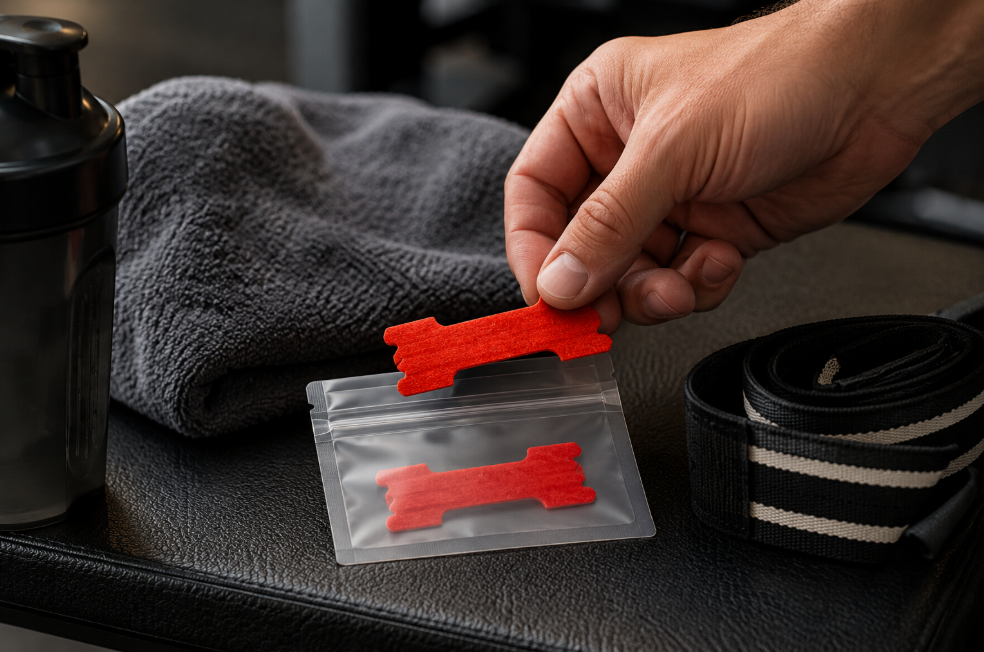
Training nose strips should handle sweat, repeated movement, facial expression changes, and short rest periods during HIIT and strength training. Gym users may move from heavy lifts to quick intervals, from mat work to machines, and from controlled breathing to high-effort breathing. The strip should remain stable across these changes.
The product should also avoid becoming a distraction. In high-effort training, users do not want to stop repeatedly to adjust a strip. If a nasal strip shifts or peels too often, it loses practical value. A training-focused design should feel secure enough to stay in the background.
How Do Nose Strips for HIIT Need to Stay in Place?
Nose strips for HIIT need to stay in place by combining flexible structure, edge stability, and sweat-aware adhesive. HIIT includes fast transitions, facial movement, and repeated changes in breathing intensity. These conditions can expose weak points in ordinary adhesive products.
Edge design is especially important. If the ends of the strip start lifting, users may become distracted and remove it early. A smoother edge, better skin contact, and flexible material can help the strip remain more stable during short, intense workout blocks.
Where Do Nose Strips for Strength Training Fit Best?
Nose strips for strength training fit best as a comfort accessory during warmups, accessory lifts, controlled sets, and recovery periods. Strength training often involves bracing, controlled breathing, and repeated changes in facial tension. A strip should feel stable without interfering with focus or technique.
They should not be presented as tools that increase lifting strength. A nasal strip does not replace proper form, programming, breathing mechanics, or coaching. Its role is more practical: it may support nasal comfort for users who prefer external breathing strips during gym sessions.
Why Do Fitness Nose Strips Need Strong Adhesive but Gentle Removal?
Fitness nose strips need strong adhesive but gentle removal because gym users may train often and care about skin comfort. A person who works out several times a week needs a product that can stay stable during activity without irritating the nose after repeated use.
The challenge is balance. Strong adhesive nose strips may stay in place better during sweat, but if they are difficult to remove, users may not want to use them again. Gentle strips may feel comfortable, but if they peel too early, they may not be suitable for gym workouts.
What Makes Strong Adhesive Nose Strips Useful?
Strong adhesive nose strips are useful when users need better hold during sweat, movement, or longer gym sessions. This can matter during treadmill workouts, indoor cycling, rowing, HIIT circuits, and high-sweat training environments. A more secure bond helps the strip feel less distracting.
However, stronger adhesion should not mean harsh removal. The user experience continues after the workout. If a strip leaves residue, pulls too much, or causes repeated redness, it may not become part of a regular training routine.
Why Are High-Adhesion Nose Strips Not Always the Best Choice?
High-adhesion nose strips are not always the best choice because different users have different skin types and workout intensities. Someone doing light gym sessions may not need the strongest adhesive. A user with sensitive skin may prefer a more balanced or gentle option.
Product selection should match the use scenario. High-sweat workouts may need stronger hold, while daily light training may need comfort and clean removal more than maximum adhesion. This is why brands can benefit from offering different strip types for different gym users.
How Should Exercise Nose Strips Feel During Gym Training?
Exercise nose strips should feel stable, flexible, and low-distraction during gym training. A good strip should not feel bulky, overly tight, itchy, or difficult to position. It should support the user’s routine without drawing attention away from movement, pacing, or technique.
Comfort matters because gym training often includes repeated facial movement. Users may talk, breathe harder, sweat, wipe their face, or move between exercises. A strip that feels natural during these moments is more likely to be used again.
What Makes Comfortable Nose Strips for Workouts Easier to Use?
Comfortable nose strips for workouts are easier to use when they match the nose shape, move naturally with the skin, and remove without discomfort. A flexible strip can feel less rigid during facial movement, while smooth edges may reduce irritation.
Comfort also affects user confidence. If the strip feels too visible, too stiff, or too sticky, some users may avoid wearing it in public gym spaces. A low-profile design can make the product easier for first-time users to try.
Why Should Stay-On Nose Strips Avoid a Heavy Feeling?
Stay-on nose strips should avoid a heavy feeling because users do not want extra pressure during high-effort training. A strip can stay in place without feeling thick, stiff, or overly tight. Lightweight materials help the product feel more natural during movement.
A stay-on design should focus on secure fit, not aggressive tension. If the product feels uncomfortable, users may remove it even if it remains attached. For gym use, comfort and stability must work together.
How Can Gym Nose Strips Fit Into Sports and Fitness Product Lines?
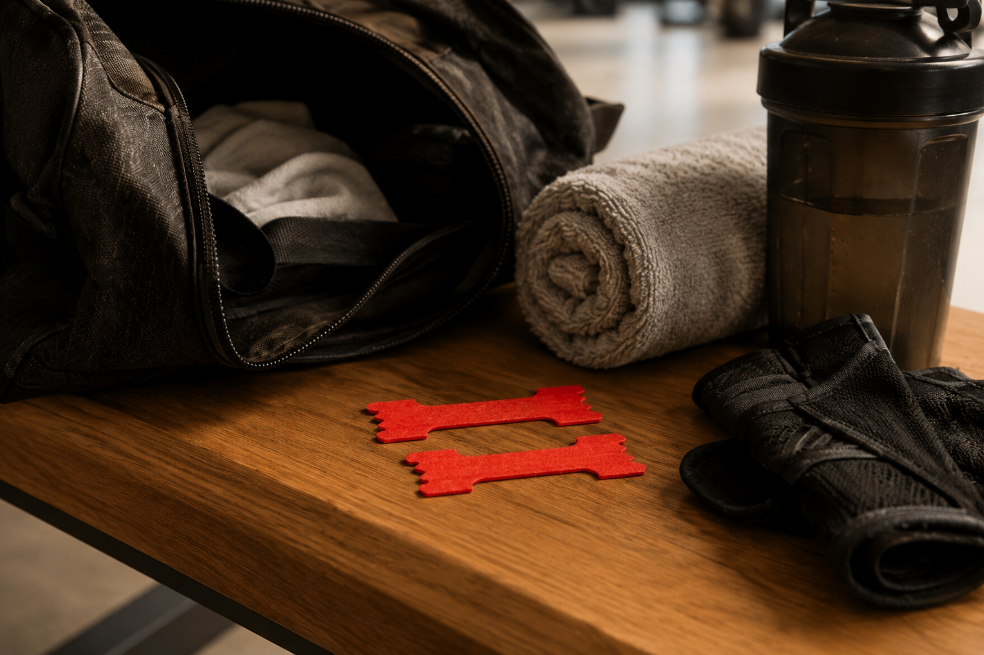
Gym nose strips can fit into sports and fitness product lines as workout-focused breathing comfort accessories. Unlike sleep-only nasal strips, gym-focused versions can be positioned around sweat, movement, warmups, cardio, strength training, and active routines.
This gives brands a clearer way to separate product use cases. A sleep strip may emphasize nighttime comfort, while a gym strip may emphasize stay-on adhesion, flexible fit, individual packaging, and easy use before training. This separation helps customers understand which product suits their routine.
How Can Brands Position Nose Strips for Gym Workouts?
Brands can position nose strips for gym workouts around practical training needs instead of exaggerated athletic claims. Useful messaging may include “for sweaty workouts,” “for warmups,” “for gym bags,” “for active routines,” or “external nasal airflow comfort.”
This approach is safer and more believable than performance-heavy language. It explains what the product is and where it fits, while avoiding claims that may sound unrealistic or unsupported.
What Product Details Matter for Private Label Gym Nose Strips?
Private label gym nose strips should focus on adhesive level, strip shape, material feel, packaging, and use-case wording. A brand may choose a stronger adhesive option for high-sweat workouts, a softer option for daily gym use, or a low-profile design for public training spaces.
For OEM/ODM product development, the gym category can support multiple product directions. Brands can build separate versions for cardio, HIIT, strength training, recovery routines, or general fitness use. This makes gym nose strips easier to fit into a broader sports wellness product line.
FAQ About Gym Nose Strips and High-Intensity Workouts
1.What are gym nose strips used for?
Gym nose strips are used as external nasal comfort accessories during workouts, warmups, cardio, HIIT, or strength training. They may help some users feel more open through the nose, but they should not be treated as guaranteed performance products.
2.Are nose strips for gym workouts different from regular nasal strips?
Nose strips for gym workouts should be designed with movement, sweat, adhesion, and comfort in mind. Regular strips may work for casual or nighttime use, but gym workouts often require better edge stability and cleaner removal.
3.Can nose strips for HIIT improve athletic performance?
Nose strips for HIIT should not be described as guaranteed performance enhancers. They may support breathing comfort for some users, but athletic performance still depends on conditioning, pacing, recovery, and proper training.
4.Do strong adhesive nose strips work better for sweaty workouts?
Strong adhesive nose strips may work better for sweaty workouts if the user needs extra hold during movement and moisture. However, the adhesive should still remove comfortably and should not irritate the skin.
5.Who should be careful with exercise nose strips?
People with sensitive skin, adhesive allergies, irritated skin, or ongoing breathing problems should be careful with exercise nose strips. If discomfort, redness, or breathing symptoms continue, users should stop using the product and seek professional advice when needed.
Conclusion: Why Gym Nose Strips Matter for High-Intensity Training
Gym nose strips matter for high-intensity training because gym environments place higher demands on adhesion, comfort, flexibility, and stability. A strip used during HIIT, cardio, or strength training must handle sweat and movement better than a casual-use product.
The most credible value of workout-focused nasal strips is simple breathing comfort support, not exaggerated performance claims. For users, they can become a small and practical gym accessory. For brands, gym nose strips offer a clear product direction within sports, fitness, and active lifestyle categories.