The Role of Workout Nose Strips in a Modern Fitness Gear Checklist
Date:2026-06-11
Read:140
source: Zoey
Summary
Nose strips fit in a modern workout gear checklist as a small, stick-on accessory for breathing comfort and training preparation. A complete workout kit is no longer limited to shoes, clothing, and a water bottle. Many active users also prepare small items such as sports tape, towels, cooling products, recovery patches, and other wearable accessories that support comfort before, during, or after training.
In this checklist, workout nose strips belong in the category of lightweight, external, and easy-to-use fitness accessories. They do not replace core training equipment, and they should not be treated as performance tools. Instead, they can be understood as a simple add-on that some users may include in warmups, gym bags, travel kits, or active routines.
Why Do Workout Nose Strips Belong in Modern Fitness Gear?
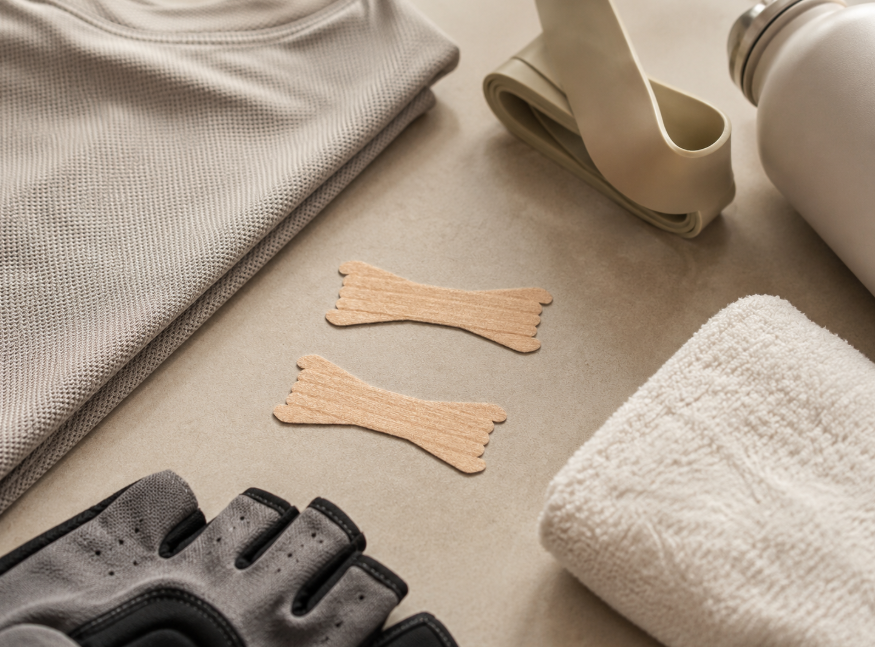
Workout nose strips belong in modern fitness gear because they match the demand for portable, low-effort accessories. Many users now see workout gear as more than shoes, clothing, and equipment. Their fitness kits may also include smaller items that support comfort, recovery, hygiene, and preparation.
A nasal strip also fits the idea of personal training preparation. Some users organize their gym bag with earbuds, towels, cooling products, hydration tools, skincare items, and recovery patches. A stick-on nose strip can fit into the same category because it is compact, disposable, and easy to use when needed.
What Makes Stick-On Nose Strips Easy to Use?
Stick-on nose strips are easy to use because they require almost no learning curve. A user applies the strip externally, checks the fit, trains, and removes it afterward. This makes the product more approachable than devices that require sizing, charging, maintenance, or app pairing.
The simple format also makes trial easier. A fitness user can test one during a warmup, light workout, stretching routine, or steady training session without changing the rest of the plan. If it feels useful, it can become part of the routine; if not, the user can simply stop using it.
Why Are Small Workout Accessories Becoming More Important?
Small workout accessories are becoming more important because they help users reduce friction in daily training. A towel does not build strength, but it improves comfort. A water bottle does not train endurance by itself, but it supports hydration habits. In the same way, training nose strips may help some users feel more comfortable during specific parts of their routine.
The value of small gear is usually practical rather than dramatic. A useful accessory should be easy to pack, easy to apply, and easy to repeat. This is why compact wearable products can become part of modern workout gear even when they are not essential for everyone.
How Do Fitness Nose Strips Support Training Comfort?
Fitness nose strips support training comfort by offering external nasal airflow support without medication or equipment. Most adhesive nasal strips are placed across the outside of the nose and use a flexible structure to help lift the nasal sides gently. This may help some users feel a more open nasal passage during warmups, light workouts, or recovery-focused routines.
The product should be understood as a comfort-support accessory, not a guaranteed performance product. Training results still depend on consistency, conditioning, recovery, sleep, and overall health. The role of exercise nose strips is more practical: they may help some users feel more comfortable during certain active routines.
Can Breathing Strips for Workouts Help Active Users?
Breathing strips for workouts may help some active users feel less restricted through the nose. This can be most noticeable during warmups, stretching, light cardio, cooldowns, or steady training sessions. These moments allow users to pay more attention to breathing comfort.
The result can vary from person to person. Nose shape, placement, skin condition, sweat, and activity intensity all affect the experience. Some users may feel a clear difference, while others may only notice a subtle change.
Why Should Exercise Nose Strips Stay Simple?
Exercise nose strips should stay simple because convenience is their main advantage. If a product becomes too bulky, hard to apply, or uncomfortable to remove, it loses the reason users wanted it in the first place.
Simplicity also helps the product work with other gear. Many users already wear headphones, glasses, hats, sweatbands, or skincare products during training. A nasal strip for workout routines should not interfere with the rest of the fitness setup.
Where Do Training Nose Strips Fit in a Workout Routine?
Training nose strips fit best as a small preparation and comfort accessory before or during light-to-moderate activity. They are not the center of a workout, but they can become part of the user’s pre-training routine, just like applying sunscreen, adjusting a watch, preparing a towel, or checking hydration.
They also fit well in organized fitness kits. Because adhesive nose strips are thin and lightweight, users can store them in a gym bag, travel pouch, locker, or personal care kit. This makes them easy to carry for daily training and active routines.
How Do Adhesive Nose Strips Compare with Other Fitness Gear?
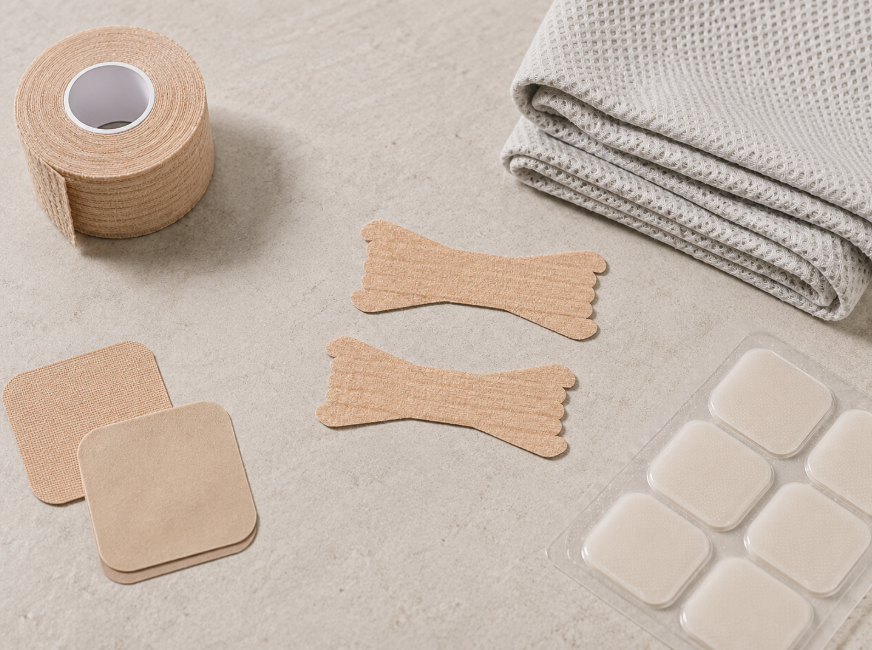
Adhesive nose strips are different from many fitness products because they are face-worn, single-use, and externally applied. Unlike a smartwatch, they do not collect data. Unlike a resistance band, they do not create training load. Their purpose is narrower: to offer simple nasal breathing comfort support.
This makes them closer to practical comfort accessories. They belong in the same broad category as sweatbands, sports tape, cooling towels, recovery patches, and skin-protection products. These products do not replace training, but they can improve the experience around training.
Workout Item | Main Role | Similarity to Nose Strips |
Sports tape | Support and comfort | Wearable and activity-focused |
Cooling towel | Comfort before or after activity | Simple and portable |
Recovery patch | Routine-based wearable item | Small and easy to use |
Stick-on nose strips | Nasal airflow comfort | Lightweight and external |
Sweat towel | Comfort during training | Easy to carry and repeat |
When Can Nasal Strips Be Used Before or After Training?
Nasal strips can be used before training when users want a simple breathing comfort option during warmups or steady routines. They may also be tested during cooldowns, stretching, mobility work, or recovery-focused sessions where comfort matters more than intensity.
Users should test the product in normal training before relying on it for important activities. Fit, skin response, and removal comfort can vary. A strip that feels good for one person may not be ideal for another, so personal testing matters.
What Features Matter in Stick-On Nose Strips?
The most important features in stick-on nose strips are fit, adhesion, flexibility, and clean removal. A good strip should apply smoothly, stay stable during movement, feel comfortable on the skin, and remove without excessive pulling.
Product details matter because small discomfort can interrupt the training experience. If the strip lifts at the edges, feels too stiff, or leaves residue, users may not want to use it again. For workout routines, comfort and repeatability are more important than exaggerated claims.
Why Are Fit, Adhesion, and Removal Important?
Fit, adhesion, and removal are important because they shape the entire user experience. If the strip does not fit the nose well, it may not feel stable. If the adhesive is too weak, it may lift early. If it is too strong, removal may feel uncomfortable.
Balanced adhesion is especially important for frequent users. Many people train several times per week, so skin comfort matters. A good adhesive nose strip should stay in place during activity but still remove cleanly after use.
How Should Workout Gear Balance Function and Comfort?
Workout gear should balance function and comfort because users are more likely to keep using products that feel natural. A product may have a useful purpose, but if it distracts the user during training, it will not become part of the routine.
For adhesive nasal strips, comfort includes surface feel, edge design, flexibility, and removal experience. Smooth edges can reduce irritation. Flexible materials can move more naturally with the nose. A low-profile appearance can also make the product easier to wear in shared fitness spaces.
How Can Brands Position Nose Strips as Wearable Fitness Products?
Brands can position nose strips as wearable fitness products by focusing on real training habits instead of exaggerated performance claims. Modern users often respond better to products that are practical, easy to understand, and easy to add into daily routines.
A workout-focused nasal strip can be positioned around preparation, comfort, portability, and repeat use. This approach makes the product feel more like modern workout gear and less like a traditional sleep-only item.
What Can Athena Offer for Custom Workout Nose Strips?
Athena can support brands that want to develop workout nose strips as part of a broader patch product line. The company focuses on nasal strips, mouth tape, and custom patch solutions, with OEM/ODM support for design, packaging, sampling, and product customization.
This type of support is useful when brands want to differentiate products by activity scenario. A workout version may need different adhesion, surface material, packaging language, or low-profile design compared with a sleep-focused strip. For brands, customization makes it easier to build a product line around training, recovery, sleep, and daily wellness use.
How Can Packaging Make Training Nose Strips Easier to Understand?
Packaging can make training nose strips easier to understand by clearly showing the use case. A user should quickly know whether the product is intended for sleep, daily use, workouts, or travel. Clear wording and simple visuals reduce confusion.
Workout-focused packaging can emphasize practical benefits without overclaiming. Phrases such as “for warmups,” “for active routines,” “drug-free nasal airflow support,” or “stick-on comfort accessory” can explain the product more responsibly than aggressive performance promises.
How to Choose Nose Strips for Workout Routines?
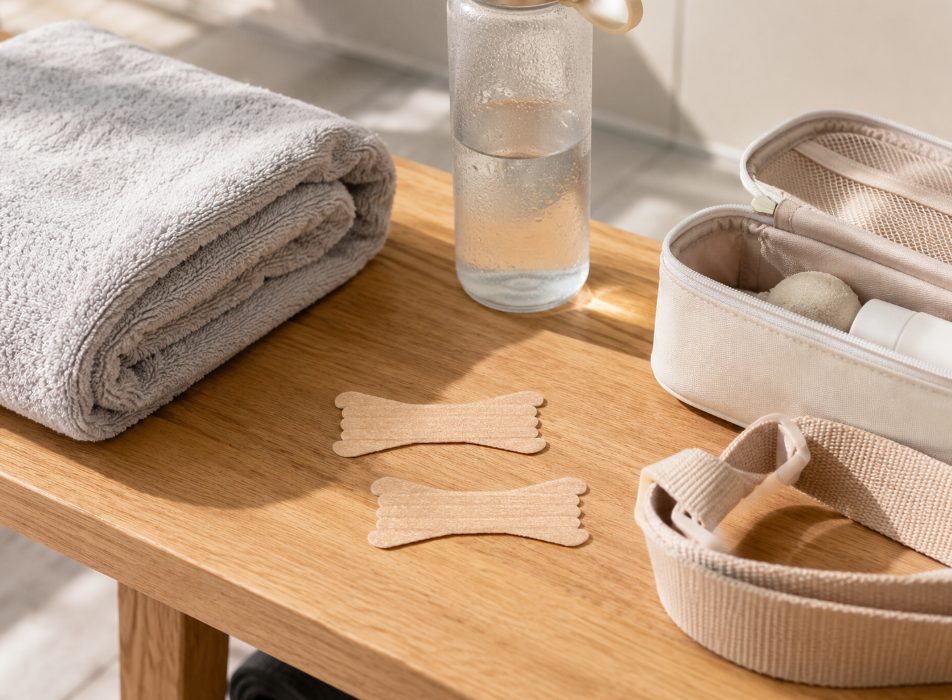
Users should choose nose strips for workout routines based on activity level, skin comfort, fit, and personal preference. A casual user may prefer a low-profile option. A frequent trainer may prioritize gentle removal. Someone who sweats heavily may need stronger adhesion. The best product depends on how and when it will be used.
A good choice should also match the rest of the user’s training gear. If a person prefers minimalist fitness accessories, a clear or light-colored strip may feel more natural. If someone likes visible workout gear, a more athletic-looking strip may be acceptable.
Who May Prefer Low-Profile Training Gear?
Users who train in public or shared spaces may prefer low-profile training gear. A subtle strip can feel more comfortable for people who do not want their accessories to draw attention. This can be especially helpful for first-time users who are still deciding whether the product fits their routine.
A low-profile design can also make the product more versatile. It can work for warmups, general fitness routines, daily training, travel, and light active use. The less visually disruptive the product feels, the easier it may be to adopt.
When Should Users Be Careful with Stick-On Products?
Users should be careful with stick-on products if they have sensitive skin, adhesive allergies, or irritation around the nose. Adhesive nasal strips should not be applied to broken, sunburned, or irritated skin. If redness, burning, or discomfort happens repeatedly, the product may not be suitable.
Users with ongoing breathing problems should not rely only on workout accessories. A nasal strip may support comfort for some people, but it is not medical treatment. Persistent nasal blockage, unusual shortness of breath, or sleep-related breathing symptoms should be discussed with a healthcare professional.
FAQ
1.Are workout nose strips different from regular nasal strips?
Workout nose strips may use the same external lifting concept, but training-focused versions should be designed for movement, comfort, and repeat use. Regular strips may be suitable for light or nighttime use, while workout routines often require better stability.
2.What are fitness nose strips used for?
Fitness nose strips are used as simple external accessories that may support nasal airflow comfort during training routines. They are usually applied before activity and removed afterward.
3.Are breathing strips for workouts performance products?
Breathing strips for workouts should not be treated as guaranteed performance products. They may help some users feel more comfortable, but training progress still depends on consistent exercise, recovery, and overall fitness.
4.Can adhesive nose strips fit into a modern gym bag?
Adhesive nose strips can fit easily into a modern gym bag because they are small, lightweight, and single-use. They can be stored with other compact workout accessories.
5.What should users check before using stick-on nose strips?
Users should check skin condition, fit, adhesion, comfort, and removal experience before using stick-on nose strips regularly. The product should feel stable during activity and gentle after removal.
Conclusion
Workout nose strips fit into modern training gear because they are small, practical, and easy to include in active routines. They do not replace core fitness equipment, but they can sit naturally beside other workout accessories that support comfort and preparation.
The strongest value of adhesive nasal strips is simple breathing comfort, not exaggerated performance claims. For users who want lightweight, wearable fitness products, a well-designed nasal strip can become a practical part of warmups, training routines, and everyday fitness gear.