Why Runners Are Choosing Clear Nose Strips for Training?
Date:2026-05-27
Read:141
source: Zoey
Summary
Clear nose strips are becoming popular with runners because they offer a more discreet way to add breathing comfort to daily training. Not every runner wants a bold strip in race photos, running club sessions, gym mirrors, or social media videos. A transparent or low-visibility design can feel more natural for everyday use while still giving runners a simple external option for nasal airflow support.
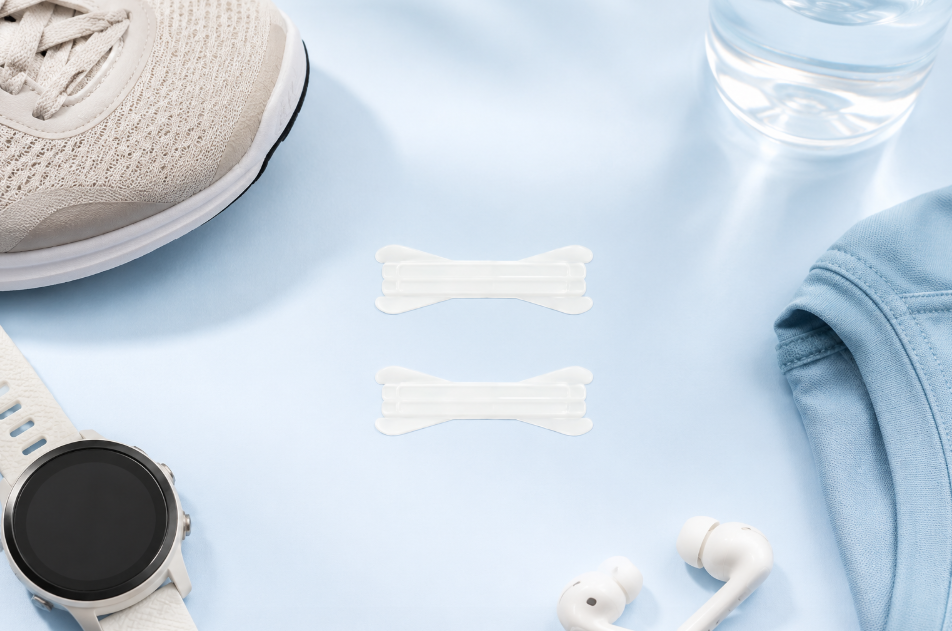
The shift toward clear designs also reflects how nose strips are moving beyond sleep-only use. Running media has reported that nasal strips are appearing again among marathon runners, while experts remain cautious about treating them as direct performance boosters. For many runners, the real appeal is more practical: a strip is lightweight, drug-free, easy to carry, and simple to test during warmups, easy runs, or recovery sessions.
Why Transparent Nasal Strips Appeal to Everyday Runners
Transparent nasal strips appeal to everyday runners because they feel less noticeable than colored or skin-tone strips. For people who train in public parks, gyms, office-adjacent routes, or running clubs, appearance matters. A clear strip can reduce the “medical patch” feeling and make the product easier to wear during normal training.
The low-profile look also makes clear strips more flexible across different scenarios. A runner may use the same type of strip during a morning jog, treadmill session, commute, or sleep routine. Breathe Right’s Original Clear line, for example, is positioned as clear, hypoallergenic, flexible, and almost unnoticeable, which shows why transparency and skin comfort are already part of the category conversation.
Why Do Runners Prefer a Low-Visibility Look?
Runners prefer a low-visibility look because daily training is often social, public, and photographed. A visible sports accessory can be appealing in races, but it may feel too bold for casual training. Clear nose strips give runners a quieter option that does not dominate their appearance.
A discreet strip can also lower the barrier for first-time users. Some runners may be curious about nasal strips for running but hesitant to wear a colored or highly visible product. A transparent nasal strip makes the first trial feel easier, especially for users who want comfort without drawing attention.
Are Clear Passage Nasal Strips Only for Sleep?
Clear passage nasal strips are not only for sleep because the same external lifting concept can also be useful during light activity. While many clear strips are marketed for nighttime or congestion relief, runners may also use them when they want a low-profile option for warmups, easy mileage, or recovery sessions.
The use case depends on the product design and activity intensity. A strip designed mainly for sleep may not always handle heavy sweat, but a clear sports version can be more suitable for active routines if it offers stable adhesion, flexible lift, and comfortable removal.
How Low-Visibility Nose Strips Support Training Comfort

Low-visibility nose strips support training comfort by helping some runners feel more open nasal airflow without changing their routine. The product does not require a device, app, breathing machine, or complicated setup. The runner simply applies the strip, trains, and removes it afterward.
External nasal strips work mechanically rather than medically. Sleep Foundation explains that nasal strips are adhesive fabric strips placed on the nose to help hold the nostrils open and increase airflow through the nasal passages. This helps explain why some users may feel more comfortable breathing through the nose, especially when mild nasal resistance is present.
Where Does a Nasal Strip for Running Fit Best?
A nasal strip for running fits best in lower-intensity or steady training sessions. Easy runs, warmups, cooldowns, recovery sessions, and base training give runners time to notice whether nasal airflow feels more comfortable. During harder intervals or sprints, mouth breathing usually becomes more dominant.
The best testing situation is a normal training day rather than race day. Runners should check whether the strip feels comfortable, stays in place, and removes cleanly before using it in an important event. This is especially important for users who have sensitive skin or sweat heavily.
Can Sports Breathing Strips Replace Better Training?
Sports breathing strips cannot replace better training because running performance depends on fitness, pacing, recovery, and consistency. A clear strip may help some users feel more comfortable, but it should not be treated as a shortcut to faster running.
The most realistic value is comfort support. Some runners may like the feeling of a more open nose during steady mileage, while others may notice only a small difference. This makes personal testing more useful than assuming every runner will have the same experience.
What Makes Clear Sports Nasal Strips Practical for Active Use?
Clear sports nasal strips are practical when they combine a discreet appearance with secure hold, flexible lift, and skin comfort. Transparency alone is not enough for active users. A strip must also stay smooth during movement and feel comfortable after repeated use.
The best product experience comes from balancing appearance and function. A strip that is invisible but peels quickly will disappoint runners. A strip that holds well but feels harsh may not work for frequent training. For daily runners, the ideal clear strip should be low-profile, stable, and easy to remove.
Feature | Why It Matters for Runners | Related Keyword |
Transparent finish | Feels discreet in public training | transparent nasal strips |
Flexible material | Moves naturally with the nose | nose strips |
Stable adhesion | Helps during warmups and runs | sports nasal strips |
Gentle removal | Supports repeated use | clear nose strips |
Drug-free design | Fits simple wellness routines | best nasal strips for breathing |
Smooth edge design | Reduces visible lifting | best nasal strips for running |
What Should the Best Nasal Strips for Running Include?
The best nasal strips for running should include comfort, stability, and clean removal. Runners need a strip that can handle facial movement, light sweat, and repeated use without feeling distracting. A clear design adds value only when these basic product features are already strong.
A good running strip should also match the runner’s skin type. Sensitive users may prefer hypoallergenic or gentler materials, while heavy sweaters may need stronger adhesion. Breathe Right notes that its clear product uses hypoallergenic, flexible, non-porous material, which is one example of how material choice can be positioned for comfort.
How Should Clear Nose Strips Handle Sweat and Skincare?
Clear nose strips should be applied before sweat, oil, sunscreen, or moisturizer affects the skin. Adhesion depends on direct contact with clean skin, so surface preparation matters. Breathe Right’s guidance says adhesive will not stick properly to wet, oily, or moisturized skin and recommends washing and drying the nose before use.
This step is especially important for runners. Many runners use sunscreen, moisturizer, or face products before outdoor training. If a strip is placed on top of those products, it may lift too early, even if the strip itself is well made.
When Should Runners Use Transparent Nasal Strips?
Runners should use transparent nasal strips when they want a discreet option for regular training rather than a bold race-day look. Clear strips are especially useful when the runner wants the product to blend into daily routines, gym sessions, or group runs.
The best timing depends on the training goal. For easy runs, a clear strip may help the runner notice nasal comfort. For warmups, it may become part of a pre-run routine. For recovery sessions, it may provide a lightweight, low-effort option that does not feel like performance gear.
Are Clear Strips Useful for Warmups and Recovery Runs?
Clear strips can be useful for warmups and recovery runs because these sessions are lower pressure and easier for product testing. A runner can apply the strip before heading out, observe how it feels, and decide whether it belongs in future training.
Recovery runs are also good for judging comfort rather than speed. Since the pace is easier, the runner can notice whether the strip feels stable, whether the edges remain flat, and whether the product feels comfortable after removal.
Can Transparent Nasal Strips Work for Gym Training?
Transparent nasal strips can work for gym training when users want a discreet sports breathing strip for indoor workouts. Treadmill runs, cycling machines, light circuits, and warmup routines can all be suitable testing scenarios. The clear appearance may feel more natural in mirrors or shared training spaces.
High-sweat sessions may require a more active-use design. If the workout includes HIIT, heavy indoor cardio, or long treadmill sessions, adhesion becomes more important. In those situations, runners may need a clear strip with sport-grade hold rather than a basic sleep-focused version.
How to Choose the Best Nasal Strips for Sports Without Overclaiming
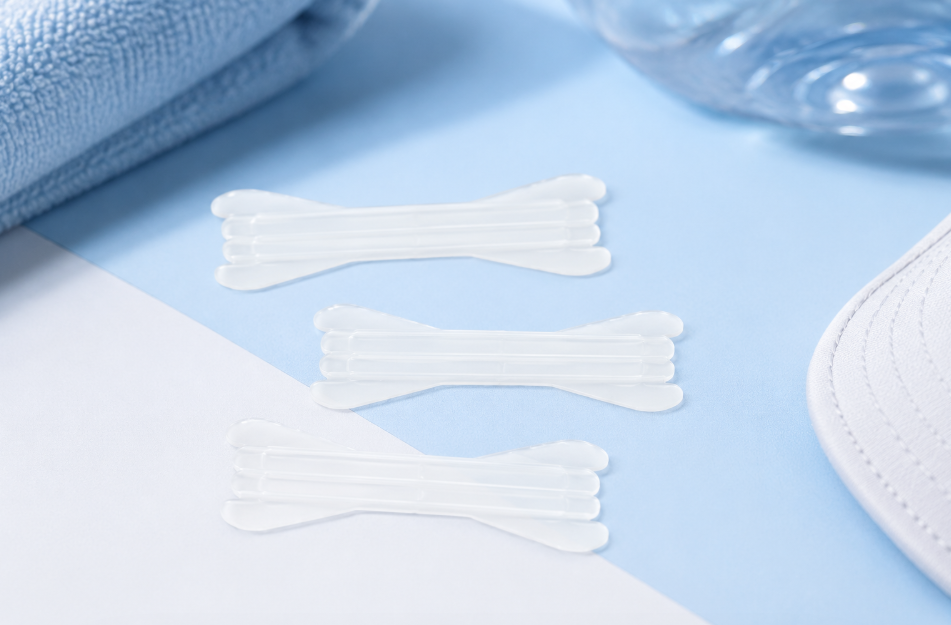
The best nasal strips for sports should be chosen by fit, comfort, use case, and skin response rather than performance promises. Runners should look for a strip that feels secure, supports nasal airflow comfort, and removes cleanly. Claims about speed or endurance should be treated carefully.
Scientific reviews do not consistently support direct athletic performance improvement from external nasal dilator strips. A systematic review found no clear improvement in VO₂ max, heart rate, or perceived exertion in healthy individuals during exercise. That does not mean users cannot enjoy comfort benefits; it simply means the product should be understood realistically.
What Is the Difference Between Clear and Colored Sports Strips?
The difference between clear and colored sports strips is mainly visual positioning and use scenario. Colored strips are more expressive and may suit races, teams, cycling kits, or social media content. Clear strips are more discreet and may suit daily training, gym use, sleep routines, or first-time users.
Both types can be useful when designed well. A colored product can create identity, while a transparent nasal strip can reduce visibility. The right choice depends on whether the runner wants the strip to stand out or blend in.
Who Should Be Careful with Low-Visibility Nose Strips?
People with sensitive skin, adhesive allergies, irritated skin, or ongoing breathing problems should be careful with low-visibility nose strips. A clear appearance does not automatically mean the strip is suitable for every skin type. Users should stop using the product if it causes repeated redness, burning, or discomfort.
Runners with persistent nasal blockage or unusual breathing symptoms should seek professional advice. Nose strips are external comfort-support products, not medical treatment. They may help with the feeling of nasal airflow in some cases, but they should not replace care for ongoing or serious breathing issues.
FAQ
1.Are Clear Nose Strips Different from Regular Nose Strips?
Clear nose strips are different mainly because they are designed to be less visible on the face. Some clear versions may also use materials intended for sensitive skin, but users should still check fit, adhesion, and comfort.
2.Are Transparent Nasal Strips Good for Running?
Transparent nasal strips can be good for running when they stay secure and feel comfortable during movement. They are especially useful for runners who want a discreet option during daily training or gym sessions.
3.What Are the Best Nasal Strips for Running?
The best nasal strips for running should balance flexible lift, stable adhesion, clean removal, and skin comfort. A clear finish is helpful for low visibility, but the strip still needs to perform during training.
4.Can Sports Nasal Strips Improve Breathing?
Sports nasal strips may help some users feel more comfortable with nasal airflow. They work externally by helping hold the nasal passages more open, but results can vary from person to person.
5.Are Clear Nose Strips Better Than Colored Ones?
Clear nose strips are better for users who want a discreet look, while colored strips are better for visual style or team identity. The better choice depends on training environment, personal preference, and product performance.
Conclusion
Runners are choosing clear nose strips because they offer a discreet way to test nasal airflow comfort during training. They fit naturally into daily runs, warmups, recovery sessions, gym workouts, and low-profile active routines without drawing too much attention.
The strongest clear nasal strips are not just transparent; they are comfortable, stable, and practical. A good product should stay in place, lift gently, remove cleanly, and feel suitable for repeated use. For runners who want breathing support without a bold visual statement, transparent nasal strips can be a practical addition to everyday training.
Sections
24 June 2026
Gym nose strips matter for workouts because gym training creates movement, sweat, heat, and breathing pressure that ordinary casual-use strips may not handle well. In a gym environment, users may move quickly between cardio machines, weight training, HIIT circuits, stretching areas, and recovery zones. A nose strip used in this setting needs to feel stable, comfortable, and practical during different workout stages.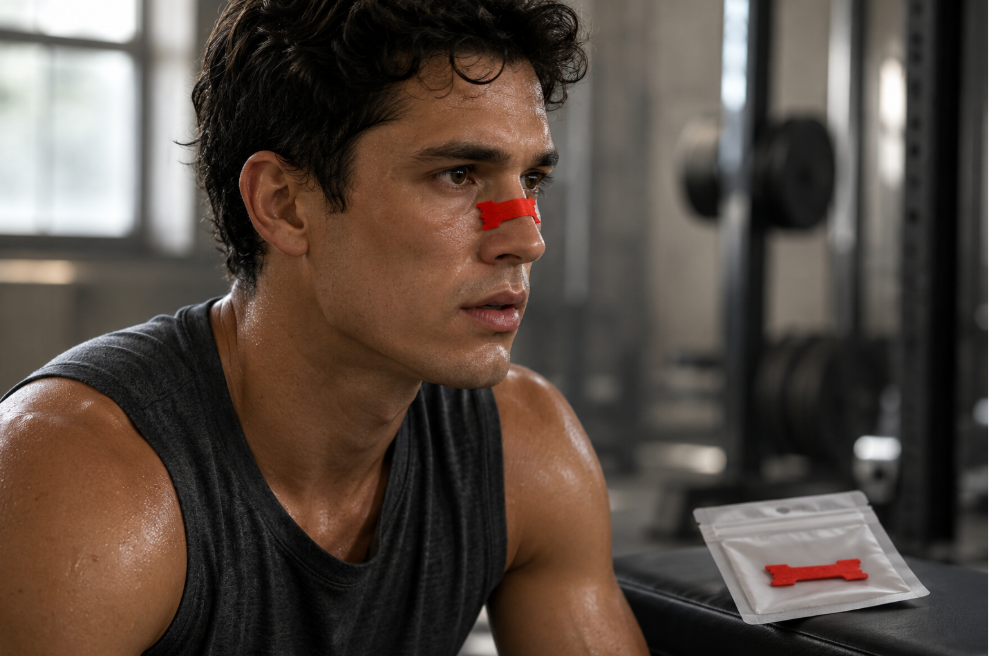 Read More
27 May 2026
Sweat-resistant nose strips matter more than performance claims because active users first need the product to stay in place. A strip may look promising before a workout, but if it peels during a run, lifts during a gym session, or feels uncomfortable after sweat dries, the product experience fails. For runners, cyclists, gym users, and team-sport athletes, secure hold is often more important than bold claims about performance.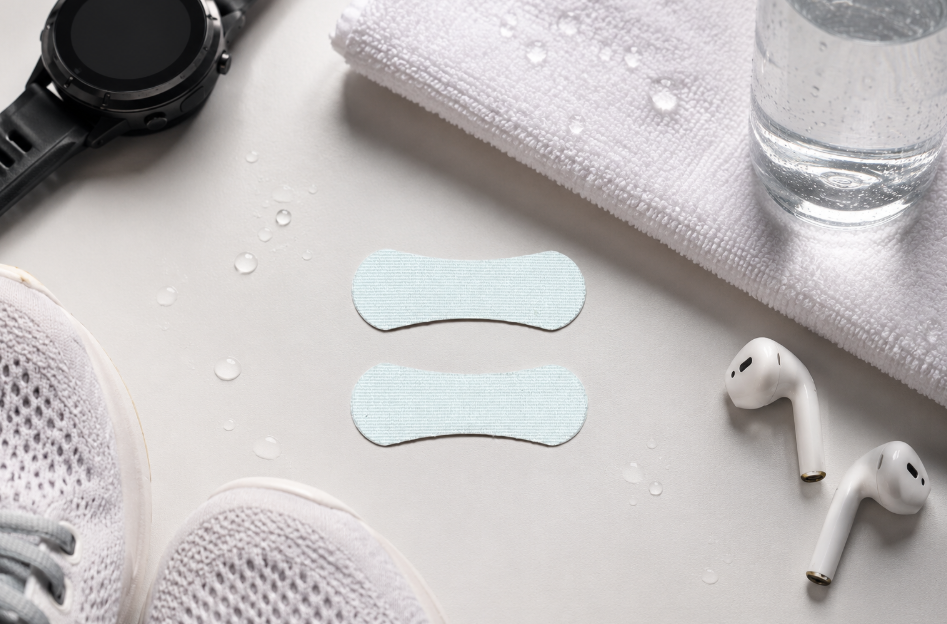 Read More