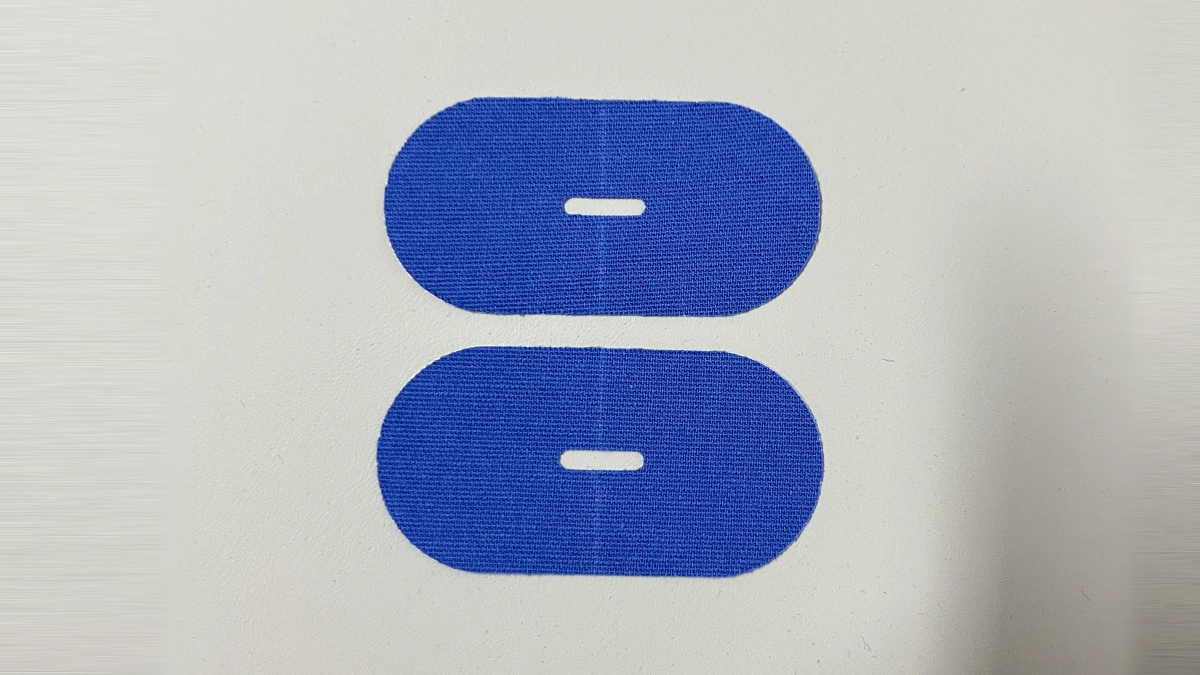
Why Nasal Strips Are Back in Running Culture?
Date:2026-05-20
Read:125
source: Zoey
Summary:
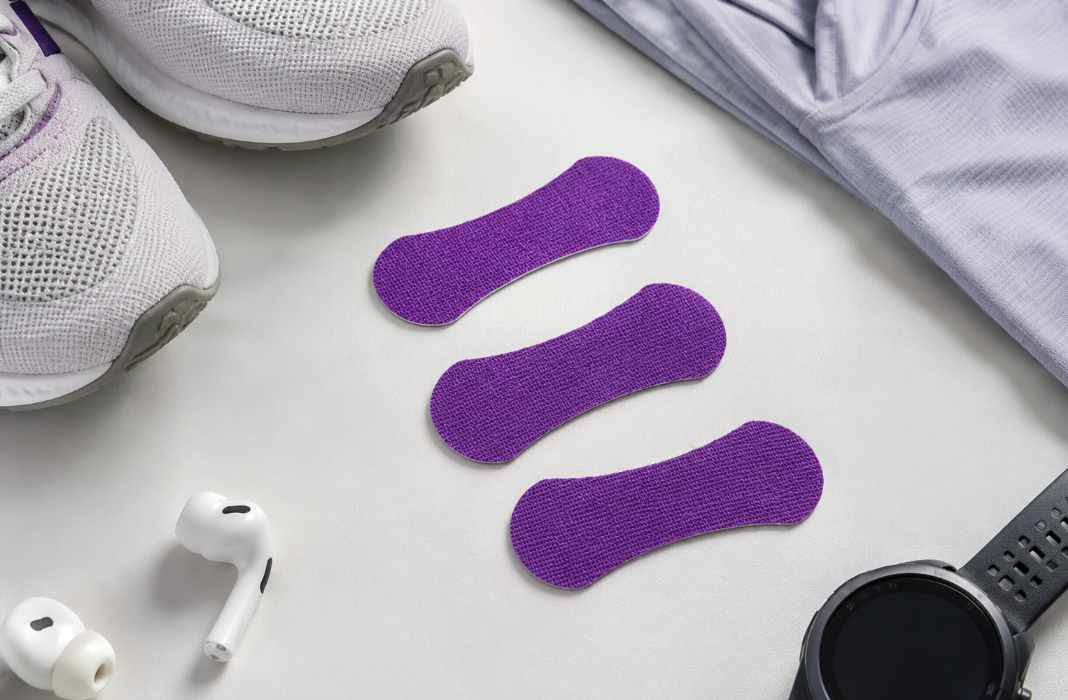
Nasal strips are returning in running culture because they fit the way modern runners test small, simple, and drug-free gear upgrades. Once mostly associated with sleep, snoring, and nighttime breathing support, these external nose strips are now showing up in marathon photos, running clubs, gym bags, and social media training routines. For many runners, the appeal is not that one strip can transform performance, but that it is easy to try, visible, lightweight, and simple to add to a running routine.
Running communities are especially open to this kind of product because runners already pay attention to small details. Shoes, socks, gels, watches, hydration belts, anti-chafe balm, sunscreen, and recovery tools all become part of a runner’s system. In that same context, a strip worn across the nose can feel like a low-commitment accessory for breathing comfort. Outside’s running vertical reported that nose strips were visible in 2025 Chicago Marathon race photos, while also noting that experts remain cautious about direct performance claims.
Why Are Running Nose Strips Getting Attention Again?

Running nose strips are getting attention again because they connect with three current runner interests: breathing, recovery, and simple wearable gear. Many runners now talk about easy-run pacing, zone training, nasal breathing, recovery runs, and small tools that make training feel more controlled. A strip placed externally on the nose fits naturally into that conversation because it does not require medication, equipment, or a complicated routine.
The trend is also easy to notice because the product is worn on the face. Unlike a supplement or breathing exercise, a nose strip appears clearly in race photos, warmup videos, gym mirrors, and running reels. This visibility gives the product a stronger lifestyle feel, especially when the design looks sporty rather than medical.
Are Runners Wearing Them for Speed or Breathing Comfort?
Most runners are using them for breathing comfort, not as a guaranteed speed booster. Some runners may feel that a strip helps create a more open sensation through the nose, especially during easy runs, recovery runs, cool-weather sessions, or days with mild congestion. However, running performance still depends mainly on training consistency, aerobic fitness, pacing, nutrition, sleep, and recovery.
The most realistic expectation is comfort support during certain training situations. A runner may enjoy the feeling of easier nasal airflow during a steady jog, but that does not mean the product will improve race times by itself. This balanced message is important for both consumers and brands because it keeps the product useful without making unsupported performance claims.
How Do External Nose Strips Support Airflow?
External nose strips support airflow by gently lifting the sides of the nose from the outside. Most products use flexible spring-like bands and skin adhesive. Once applied across the bridge of the nose, the strip creates a lifting force that may help open the nasal passages. Breathe Right explains that the flexible bands lift the sides of the nose to help open the nasal passages once the strip is correctly placed.
The experience can vary from runner to runner. Nasal structure, congestion, skin oil, sweat, humidity, and placement all affect how noticeable the strip feels. Some users may feel a clearer nasal passage quickly, while others may notice only a small difference or no meaningful change during harder efforts.
What Can Athletic Nose Strips Actually Do?
Athletic nose strips may help some runners feel more open nasal breathing, but they should not be treated as performance enhancers. A systematic review and meta-analysis on external nasal dilator strips found no improvement in VO2 max, heart rate, or perceived exertion in healthy individuals during exercise.
That does not make them useless for runners. Many sports products are valued because they improve comfort, routine, confidence, or convenience rather than directly changing lab-measured performance. For a runner, a strip may simply make an easy run feel smoother or make a pre-race routine feel more complete.
When Do Sports Breathing Strips Make the Most Sense?
Sports breathing strips make the most sense during lower-intensity running, warmups, long steady efforts, and recovery sessions. These are situations where runners may be more aware of nasal airflow and less dependent on heavy mouth breathing. During hard intervals, hills, sprints, or race surges, breathing demand increases, so the strip may feel less important.
They may also appeal to runners who want drug-free breathing support. Because external strips do not contain medication, they are simple to carry and easy to remove after training. This makes them different from sprays, tablets, or more complex breathing devices.
Easy Runs and Base Training
Easy runs are one of the best situations to test a running nose strip. At lower intensity, many runners can pay closer attention to how breathing feels. If the strip creates a more open sensation through the nose, the runner can decide whether it belongs in their regular training kit.
Base training also gives runners enough time to judge comfort. A 40-minute or 60-minute steady run can reveal whether the adhesive stays in place, whether the lifting force feels natural, and whether the edges begin to peel when sweat builds up.
Long Runs and Marathon Preparation
Long runs are useful for testing whether a sports strip remains comfortable over time. A product that feels fine for ten minutes may feel different after ninety minutes of sweat, facial movement, wind, and repeated wiping. For marathon runners, comfort and reliability matter more than a dramatic claim.
No runner should test a new strip for the first time on race day. Adhesive strength, skin reaction, placement, and removal experience should all be tested during training first. Race-day gear should feel familiar, not experimental.
What Features Matter in the Best Nose Strips for Running?
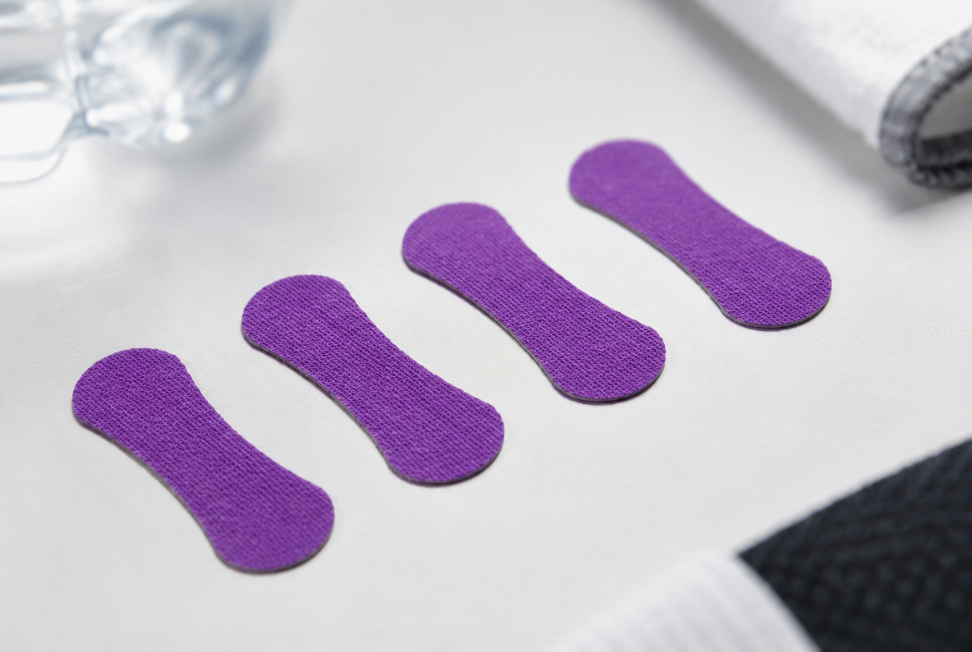
The best nose strips for running should balance secure hold, flexible lift, skin comfort, and clean removal. Running creates sweat, repeated facial movement, outdoor exposure, and sometimes sunscreen use, so a strip designed only for sleep may not always perform well during training.
A good athletic strip should stay secure without feeling harsh. If the adhesive is too weak, the edges may lift during a run. If the adhesive is too strong, removal may irritate the skin. The ideal product should feel stable while running and gentle when removed afterward.
Feature | Why It Matters for Runners | Best-Fit Use Case |
Sweat-resistant hold | Helps reduce peeling during training | Summer runs and gym sessions |
Flexible lifting band | Supports comfort without stiffness | Easy runs and long runs |
Rounded edges | Helps prevent edge lift | Outdoor running |
Gentle adhesive | Better for frequent use | Daily training |
Stronger adhesion | Useful for heavy sweaters | Long-distance running |
Low-profile finish | Looks more natural in public | Running clubs and commuting |
Extra Strength Nose Strips or Gentle Athletic Strips?
Extra strength nose strips may be better for heavy sweaters, humid weather, and long-distance training. These versions are usually designed to stay in place more securely when moisture and movement challenge the adhesive. They may be a good fit for runners who find that regular strips peel too quickly.
Gentle athletic strips may be better for frequent training or sensitive skin. Some runners train five or six days per week, so skin comfort becomes important. A stronger strip is not always the better choice if it causes redness, pulling, or residue after removal.
How Do Running Strips Compare with Gym and Football Use?
Running strips are usually designed for steady movement and sweat, while gym and football use create different demands. A runner needs stable adhesion through repeated motion. A gym user may need a strip that holds during short, high-sweat sessions. A football player may care about visibility and athletic identity, but contact and equipment can affect whether the strip stays in place.
The same product category can serve different sports only when the design matches the activity. A strip for runningshould not be judged only by how strongly it sticks; it should also feel comfortable, flexible, and easy to remove after a workout.
Sports Use Map
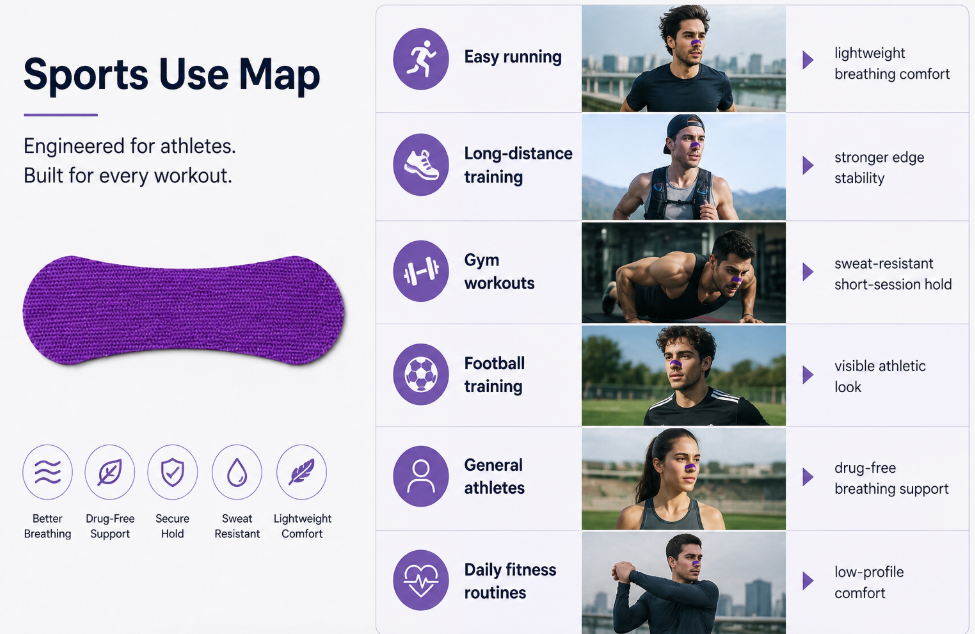
Where Do Sports Breathing Strips Fit Beyond Running?
Sports breathing strips fit beyond running when athletes want a simple external accessory for breathing comfort. They can be used before treadmill sessions, warmups, cycling workouts, functional training, or non-contact sports routines. Their main advantage is simplicity: apply, train, remove.
The product works best when expectations stay realistic. Athletes should view these strips as comfort tools rather than medical treatments or guaranteed performance products. Henry Ford Health notes that hard evidence for athletic performance improvement is limited, even though many athletes still like using them.
How Should Runners Apply and Remove Them?
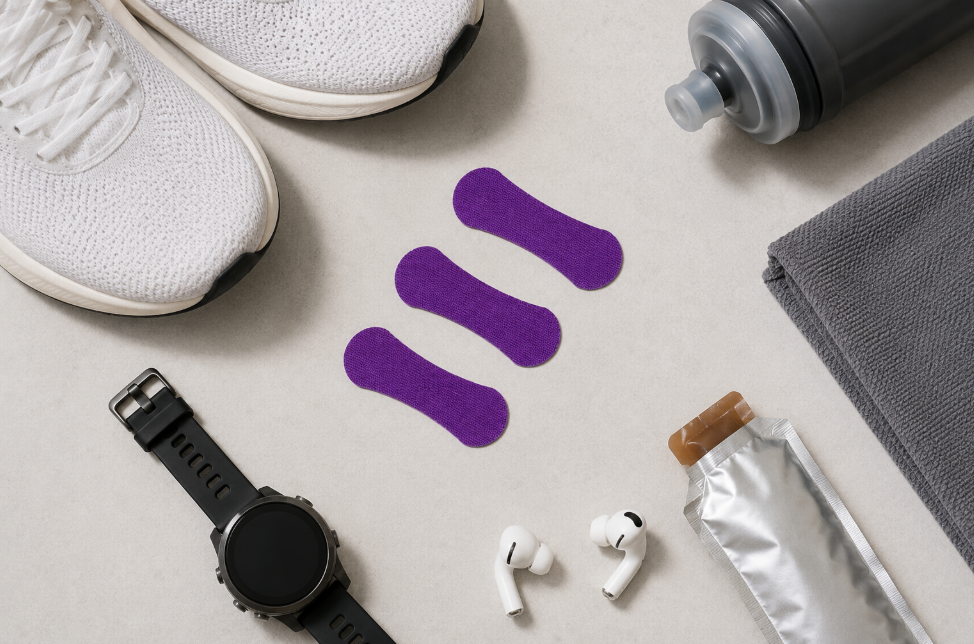
Runners should apply the strip to clean, dry skin before training. Oil, sweat, sunscreen, moisturizer, and facial hair can reduce adhesion. Applying the strip before sweating begins usually gives it a better chance to stay in place.
Correct placement is important for both comfort and function. The strip should sit across the bridge of the nose, generally above the nostril flare, rather than too high or too low. Poor placement can reduce the lifting effect and make the strip feel awkward.
Removal should be slow and gentle. After a run, sweat can dry around the adhesive. Washing the face or softening the strip with warm water before removal may reduce pulling and skin irritation.
Who Should Be Careful with Adhesive Nose Strips?
People with sensitive skin, adhesive allergies, irritated skin, or ongoing breathing problems should be careful. External strips are simple products, but the adhesive can still cause redness or discomfort in some users. Anyone with persistent nasal blockage, sleep-related breathing symptoms, or unusual shortness of breath should seek medical advice rather than relying on a strip.
Runners should also stop using the product if it causes repeated irritation. A comfortable strip should not leave strong redness, broken skin, or a burning sensation. For frequent training, skin-friendly adhesive is just as important as hold strength.
FAQ
1.Are Running Nose Strips Different from Regular Sleep Strips?
Running nose strips should be more focused on sweat resistance, edge stability, and movement comfort. Regular sleep strips may work for some runners, but athletic versions are usually better suited for training conditions.
2.Do Sports Breathing Strips Make Runners Faster?
Sports breathing strips should not be expected to make runners faster by themselves. They may help some runners feel more open nasal airflow, but performance still depends mainly on training, pacing, recovery, and overall fitness.
3.When Is the Best Time to Test One?
The best time to test one is during an easy run, long run, warmup, or recovery session. These situations make it easier to judge comfort, placement, and adhesion without race-day pressure.
4.Are Drug-Free Nose Strips Suitable for Athletes?
Drug-free nose strips can be suitable for athletes who want a simple external option. They do not contain medication, but users should still check skin comfort and avoid applying them to irritated skin.
5.What Should Runners Look for Before Buying?
Runners should look for secure hold, flexible lift, clean removal, and skin comfort. Heavy sweaters may prefer stronger adhesion, while frequent users may prefer a gentler athletic version.
Conclusion
Nasal strips are back in running culture because they are simple, visible, drug-free, and easy to test during real training. They fit naturally into running routines, especially for easy runs, long runs, warmups, and recovery sessions where nasal airflow comfort may matter more than maximum effort.
The best way to understand running nose strips is as comfort-support accessories, not miracle performance tools. Some runners may find them useful, while others may notice little change. The best experience depends on fit, adhesive quality, flexible lift, sweat resistance, and skin comfort.