Why Colored Nasal Strips Are Trending in Cycling?
Date:2026-05-12
Read:199
source: zoey
Why Colored Nasal Strips Are Trending in Cycling?
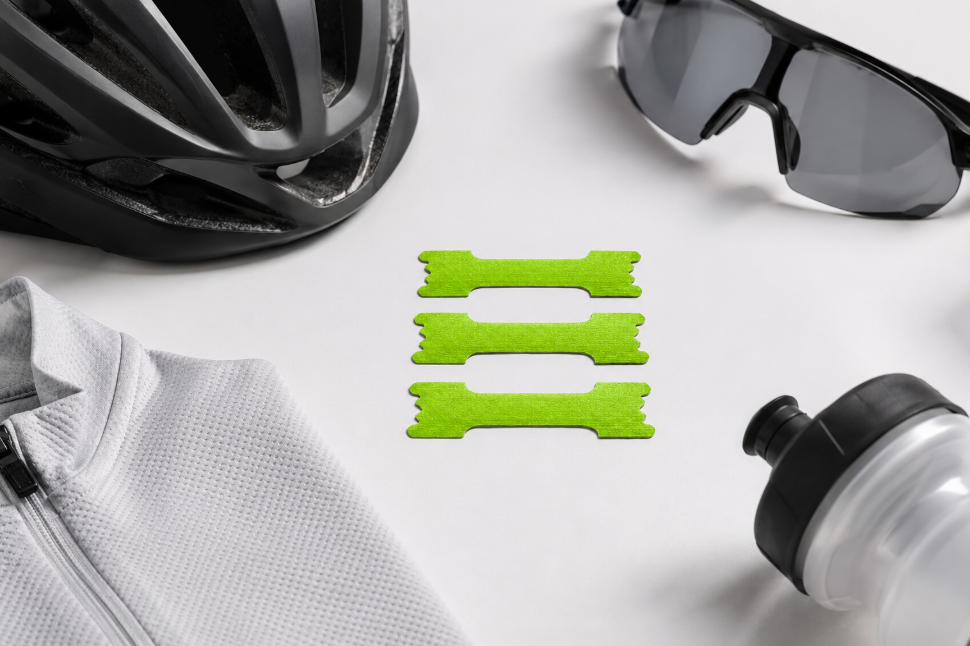
Colored nasal strips are trending in cycling because they combine breathing comfort, sports identity, and visible race-day style. Once known mainly as sleep or snoring products, nasal strips are now appearing in cycling kits, training videos, endurance events, and social media content. Their return is not only about function; it is also about how a small strip on the nose can become part of an athlete’s look.
The cycling world has become a natural stage for this product because riders are already used to testing small equipment upgrades. Cyclists often pay attention to helmets, socks, sunglasses, gloves, aero clothing, nutrition, recovery tools, and every visible detail of their kit. In that environment, colored nasal strips can feel less like a medical product and more like a lightweight sports accessory.
Recent cycling coverage has also helped bring nasal strips for cycling back into discussion. Cyclingnews tested the category as a 2025 trend and found that while claims around direct performance improvement should be treated carefully, nasal strips may still provide breathing comfort in lower-intensity and endurance contexts. Cycloscience also described the return of nose strips in the pro peloton, including colored versions worn by well-known riders.
Why Are Nasal Strips for Cycling Getting Attention?

Nasal strips for cycling are getting attention because they are simple, visible, and easy for riders to try. A cyclist does not need a device, charger, app, or fitting appointment to test one. The strip is applied externally across the nose, making it a low-effort addition to warmups, long rides, recovery sessions, and steady endurance training.
The main appeal is comfort rather than guaranteed speed. Some cyclists may feel that nasal strips help them breathe more freely through the nose, especially during easy rides, base training, indoor cycling, or recovery efforts. During very intense climbs or sprints, however, most riders naturally rely more on mouth breathing because the body needs a larger volume of air.
Are Colored Nasal Strips Just a Fashion Statement?
Colored nasal strips are not only a fashion statement, but their visual impact is a major reason they are spreading in cycling. A clear or skin-tone strip may be barely noticeable, while a black, white, pink, blue, or team-color strip stands out immediately in photos and videos. This makes the product highly shareable in a sport where kit design and visual identity matter.
The fashion value comes from the strip’s location on the face. Unlike socks, gloves, or base layers, nasal strips sit in the center of the rider’s face. That makes them hard to ignore and gives brands room to create distinctive product colors, matte finishes, transparent designs, and event-specific editions.
How Do Sports Nasal Strips Work During Cycling?
Sports nasal strips work by gently lifting the sides of the nose to help open the nasal passages. Most external nasal strips use flexible spring-like bands and skin adhesive. When the band tries to return to its original shape, it creates a lifting force across the bridge of the nose, which may help reduce nasal airflow resistance for some users. Breathe Right describes this same basic mechanism as lifting the sides of the nose from the outside.
The effect can vary because every rider’s nasal structure is different. Some cyclists may feel a clear difference, especially if they have mild nasal restriction, seasonal congestion, or a narrow nasal valve area. Others may notice little change, particularly during high-intensity riding when nasal airflow alone is not enough to meet breathing demand.
Do Performance Nasal Strips Improve Cycling Results?
Performance nasal strips should be understood as comfort-support tools, not guaranteed performance boosters. Some studies and expert reviews suggest that external nasal dilators may reduce nasal resistance or increase nasal valve area, but evidence for direct improvement in athletic output is mixed. A review on external nasal dilators noted that many studies did not find a clear performance improvement, even though nasal airflow may improve in certain users.
A more realistic expectation is that nasal strips may help some riders feel more comfortable during specific training situations. For example, they may be useful during long steady rides, lower-intensity endurance work, cool-downs, or recovery sessions. They should not be marketed or understood as a shortcut for better fitness, stronger lungs, or faster race results.
What Makes Athletic Nasal Strips Different from Regular Nasal Strips?
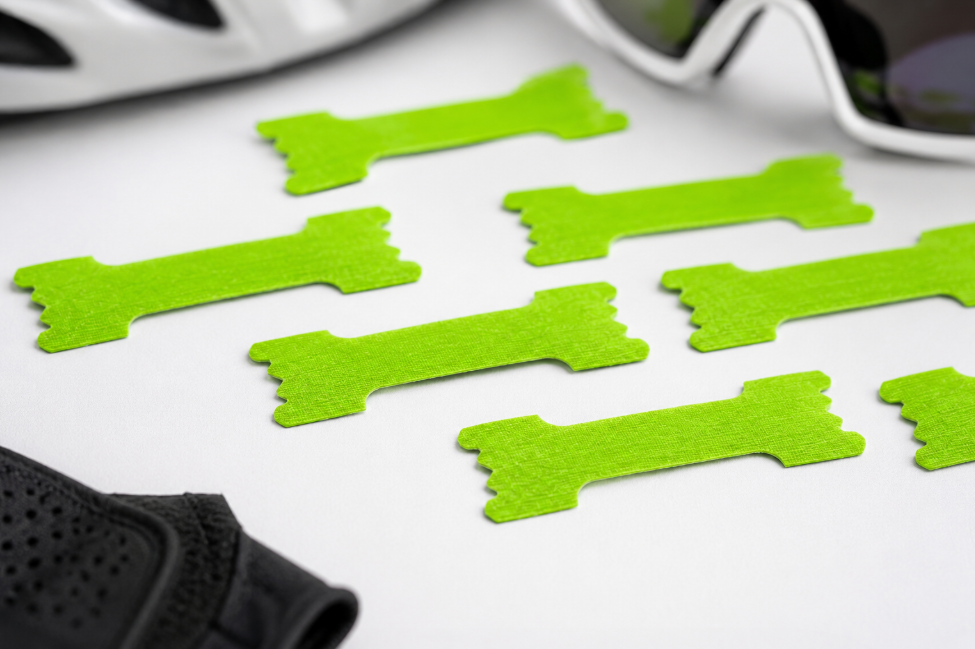
Athletic nasal strips are different from regular sleep strips because they need to handle sweat, movement, wind, and longer outdoor wear. A nighttime strip mainly needs gentle adhesion and overnight comfort. A cycling strip needs to stay secure when the rider sweats, changes position, wears sunglasses, applies sunscreen, and rides through wind or humidity.
The best sports nasal strips balance hold and comfort. If the adhesive is too weak, the edges may lift during a ride. If the adhesive is too aggressive, the strip may feel uncomfortable when removed. A well-designed athletic nasal strip should stay in place during training while still being easy to remove after the session.
Feature | Why It Matters for Cyclists | Related Keyword |
Sweat-resistant adhesive | Helps the strip stay secure during long rides | sports nasal strips |
Flexible lifting band | Supports nasal opening without feeling stiff | athletic nasal strips |
Rounded edges | Reduces edge lifting during movement | nasal strips for cycling |
Skin-friendly adhesive | Improves comfort after repeated use | nasal strips for athletes |
Stronger hold | Better suited for outdoor sports conditions | extra strength nasal strips |
Color options | Matches kits, teams, and event styling | colored nasal strips |
Which Material Features Matter Most for Cyclists?
The most important material features for cyclists are adhesion, flexibility, breathability, and clean removal. Cycling creates a different wearing environment from sleep because the rider may sweat heavily, wipe the face, wear sunscreen, and ride for several hours. These conditions make adhesive quality one of the most important parts of the product experience.
Comfort also matters because cyclists often repeat what feels easy and avoid what feels distracting. A strip that pulls too strongly, wrinkles on the nose, leaves residue, or feels too thick may not be used again. For regular training use, the ideal product should feel stable but not heavy.
Where Do Colored Nasal Strips Fit in Cycling Style?
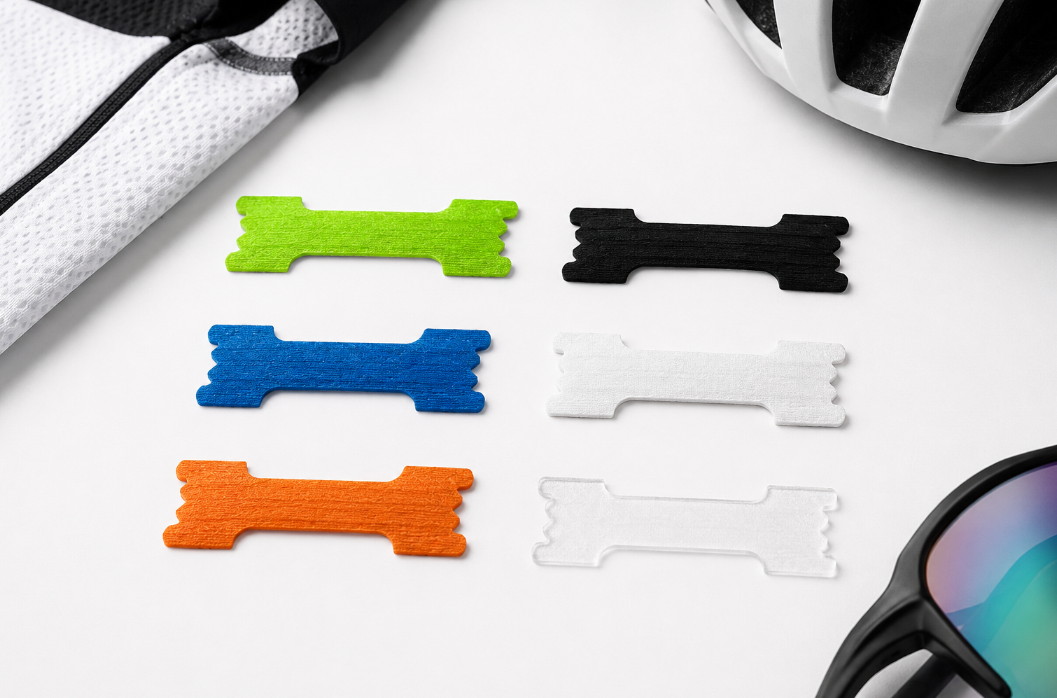
Colored nasal strips fit cycling style because they can match the visual language of modern race kits. Cycling is a sport where small details are highly visible: helmet shape, lens color, sock height, jersey pattern, glove design, and shoe color all contribute to a rider’s lo
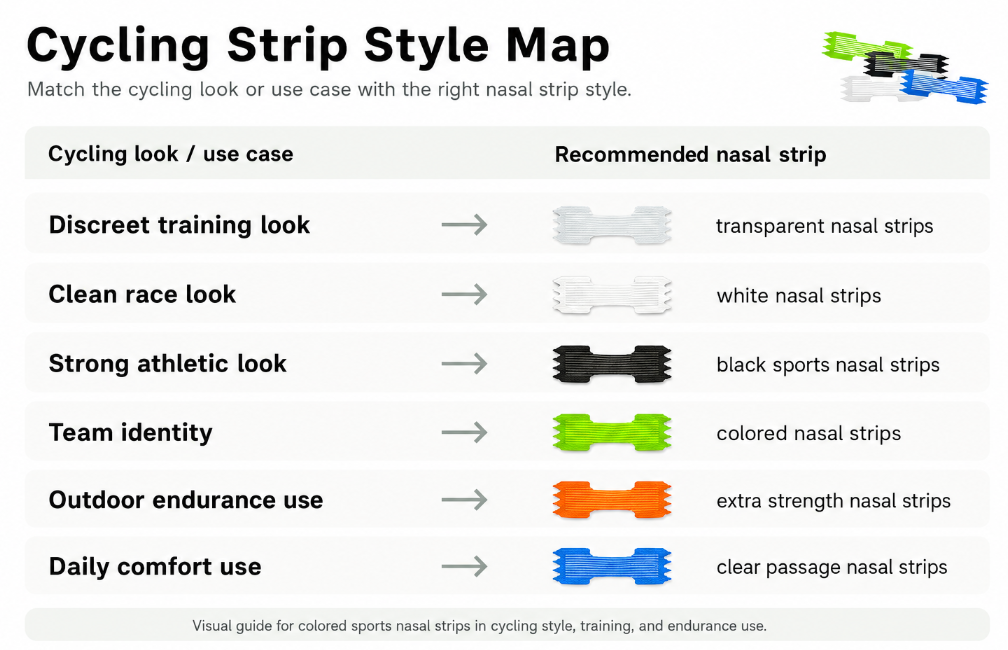
Different colors can create different product meanings. Black can feel technical and performance-driven. White can feel clean and professional. Bright colors can suit races, clubs, and creator content. Transparent nasal strips can work for cyclists who want a more discreet option during daily training.
Cycling Strip Style Map
Can Clear Passage Nasal Strips Be Used for Daily Training?
Clear passage nasal strips can be used for daily training when riders want a more discreet breathing-support option. Not every cyclist wants a bright strip in every ride photo. A transparent or skin-tone design may be more suitable for indoor cycling, commuting, recovery rides, or casual training.
A discreet strip can also help introduce the product to new users. Some consumers may feel hesitant about wearing a bold colored strip in public, but they may be more comfortable starting with a clear or low-visibility version. Once the product becomes familiar, colored sports nasal strips can serve as a more expressive option for events or team use.
Why Are Nasal Strips for Athletes Expanding Beyond Sleep?
Nasal strips for athletes are expanding beyond sleep because more consumers now connect breathing, recovery, and performance routines. Athletes often look for simple tools that feel practical and do not require major behavior changes. Nasal strips fit that demand because they are drug free, external, lightweight, and easy to carry in a gym bag or cycling kit.
This shift does not mean sleep use is disappearing. Instead, the product category is becoming broader. One user may wear nasal strips at night for nasal breathing comfort, while another may use sports nasal strips during training. A cyclist may even use one style for recovery sleep and another style for outdoor rides.
How Are Sports Breathing Strips Different from Other Breathing Products?
Sports breathing strips are different because they are external, disposable, and visually wearable. Internal nasal dilators sit inside the nostrils, mouth tape is used around the lips, and breathing trainers often require separate routines. Nasal strips are simpler: they sit on the outside of the nose and can be removed after the activity.
The simplicity makes them easier to combine with active lifestyles. A rider can keep a few strips in a cycling bag, use one before a long ride, and remove it afterward. This makes the product especially suitable for endurance users who prefer lightweight and low-maintenance accessories.
How Should Brands Design Nasal Strips for Sports?
Brands should design nasal strips for sports by matching the strip to the activity, not by using one generic product for every situation. Cycling, running, gym training, and sleep all create different product demands. A sports-focused strip should be tested for movement, sweat, edge lift, comfort, and removal experience.
Cycling-focused products should pay special attention to long-wear stability. Outdoor riders may train for several hours, and small discomfort can become more noticeable over time. A better sports strip should have a stable shape, smooth edge design, reliable adhesive, and a surface finish that looks intentional rather than clinical.
Product Version | Main Use Case | Suggested Design Direction |
Transparent nasal strips | Daily training and commuting | Low-visibility, clean finish |
Black sports nasal strips | Gym, cycling, endurance training | Athletic and technical look |
Colored nasal strips | Clubs, races, and social content | Team color or seasonal color |
Extra strength nasal strips | Long outdoor rides | Stronger hold and edge stability |
Gentle athletic nasal strips | Frequent training use | Skin-friendly adhesive |
What Product Line Could Work for Cycling and Team Sports?
A strong cycling product line could include clear, colored, and extra strength nasal strips. The clear version can serve daily training users, the colored version can serve teams and creators, and the extra strength version can serve riders who need stronger hold during long outdoor sessions.
A team-focused version can also create stronger brand identity. Cycling clubs, event organizers, and sports retailers may prefer nasal strips that match kit colors or packaging themes. This is where custom color, private label packaging, and sports-specific product design become important.
What Should Cyclists Know Before Using Nasal Strips?
Cyclists should know that nasal strips are easy to try, but they should not replace medical advice for breathing problems. If a rider has persistent nasal blockage, breathing difficulty, sleep apnea symptoms, or recurring respiratory issues, they should speak with a healthcare professional instead of relying only on nasal strips.
Cyclists should apply nasal strips to clean, dry skin before a ride. Sweat, oil, sunscreen, and heavy skincare products can reduce adhesion. For best comfort, the strip should be placed correctly across the nose and removed gently after training.
Cyclists with sensitive skin should test the product before long rides. Adhesive products can cause irritation in some users, especially with repeated use, strong adhesive, or removal from already irritated skin. A hypoallergenic or gentle adhesive option may be better for frequent use.
FAQ
1.Are nasal strips for cycling different from regular nasal strips?
Nasal strips for cycling should be different because cyclists need stronger hold, better flexibility, and more sweat resistance. Regular nighttime strips may work for some users, but sports nasal strips are better suited for movement, outdoor conditions, and longer wear.
2.Do sports nasal strips make cyclists faster?
Sports nasal strips should not be expected to make cyclists faster by themselves. They may help some riders feel more open nasal airflow, but fitness, training, pacing, nutrition, and recovery remain far more important for cycling performance.
3.Why are colored nasal strips popular with athletes?
Colored nasal strips are popular with athletes because they turn a functional product into a visible sports accessory. They can match team kits, create a bold race-day look, and stand out in photos or short videos.
4.Are performance nasal strips safe to use?
Performance nasal strips are generally simple to use when applied to healthy skin, but users should watch for irritation. People with sensitive skin, allergies to adhesives, or serious breathing symptoms should choose carefully and seek professional advice when needed.
5.What are the best nasal strips for sports?
The best nasal strips for sports are the ones that balance secure adhesion, flexible lift, skin comfort, and clean removal. For cycling, sweat resistance and edge stability are especially important.
Conclusion
Colored nasal strips are becoming popular in cycling because they offer a mix of breathing comfort, athletic style, and easy product trial. They may not be a guaranteed performance upgrade, but they are simple, drug free, visible, and compatible with the way cyclists test small gear changes.
The future of sports nasal strips will likely depend on better design rather than stronger claims. Riders need products that stay on during sweat, feel comfortable for long sessions, match modern sports aesthetics, and remove cleanly after use. For brands, this makes cycling nasal strips more than a sleep-related product extension; it makes them part of the growing category of wearable sports accessories.