Best Nasal Strips for Easier Breathing During Sleep and Daily Use
Date:2026-07-13
Read:165
source: Aoey
Summary
The best nasal strips are not always the strongest, the most expensive, or the highest rated option. The right choice depends on how you plan to use them, such as for sleep, snoring, running, daily breathing comfort, sensitive skin, or temporary nasal congestion.
A good nasal strip should balance lift, adhesion, comfort, and fit. Stronger adhesive may be useful for sports, while softer materials may be better for sleeping or sensitive skin.
Quick Answer
User Need | Better Choice |
Sleep | Soft nasal strip with stable overnight hold |
Snoring | Balanced lift and comfortable long-hour wear |
Running | Stronger adhesion and sweat resistance |
Sensitive skin | Gentle adhesive and soft material |
Daily use | Clear, skin-tone, or low-profile nasal strip |
Deviated septum | Temporary support only |
Sleep apnea | Not a treatment; professional evaluation may be needed |
What Are the Best Nasal Strips for Breathing?
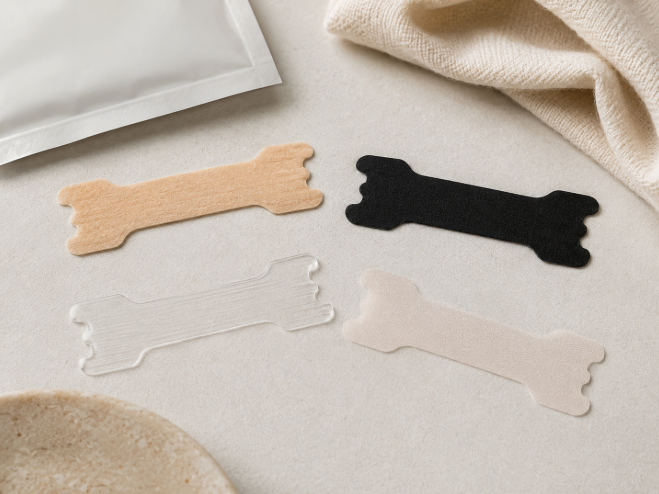
The best nasal strips for breathing are the ones that match your nose shape, skin type, and use scenario. A nasal strip that works well for running may feel too strong for sleep, while a gentle sleep strip may not stay secure during exercise.
When choosing nasal strips, focus on five practical factors:
1.Lift strength: whether the strip provides enough external support.
2.Adhesion: whether it stays in place during sleep, sweat, or movement.
3.Skin comfort: whether it feels gentle during wear and removal.
4.Size and shape: whether it fits your nose bridge and nostril area.
5Appearance: whether it suits public, sports, or nighttime use.
What Are the Best Nasal Strips for Different Users?
Different users need different nasal strip designs.
Sleep users usually need a soft strip with stable overnight hold and gentle removal. Snoring users may need better lift and long-hour comfort. Runners may need sweat-resistant strips with stronger edge hold. Sensitive-skin users should choose softer materials and mild adhesive. Daily users may prefer clear or skin-tone strips that look less visible.
So the answer to “what are the best nasal strips” is not one single brand. The better answer is: choose based on your actual use case.
Do Nasal Breathing Strips Actually Work?
Nasal breathing strips may work for some users by supporting the nasal passage from the outside. They are most useful when the breathing discomfort is related to temporary nasal stuffiness or restricted airflow near the front of the nose.
However, results vary. Nose shape, skin condition, placement, adhesive quality, and the real cause of congestion can all affect the experience. Nasal strips should be understood as breathing comfort support, not as a cure.
How to Choose the Best Nasal Breathing Strips?
The best nasal breathing strips should be selected by scenario, not only by rating or brand popularity.
Before buying, ask these questions:
1.Do I need the strip for sleep, running, daily use, or snoring?
2.Do I need stronger hold or gentler removal?
3.Is my skin sensitive to adhesive?
4.Do I prefer clear, skin-tone, or black strips?
5.Do I need a wider strip for stronger lift?
What Makes the Most Effective Nose Strips?
The most effective nose strips are not always the strongest ones. Effectiveness means the strip performs well in the intended situation.
For sleep, an effective strip should stay on through the night and remove gently in the morning. For running, it should resist sweat and edge lifting. For daily use, it should feel light and discreet. For sensitive skin, it should reduce irritation and avoid harsh removal.
A nasal strip is only truly effective when users feel comfortable enough to keep using it.
Are the Best Rated Nasal Strips Always the Right Choice?
The best rated nasal strips can be useful for comparison, but they are not always the right choice for every user.
A highly rated extra-strength strip may suit oily skin or sports, but it may feel too harsh for sensitive skin. A clear strip may look better for daytime use, but it may not provide enough hold for running. A budget pack may offer good value, but comfort and consistency still matter.
Ratings help, but personal fit matters more.
Best Nasal Strip for Sleeping and Nighttime Comfort

The best nasal strip for sleeping should focus on comfort, stable overnight hold, and gentle removal. During sleep, users need a strip that can stay in place for several hours without feeling stiff, tight, or painful.
A good sleep nasal strip should have:
1.soft backing material
2.balanced lift
3.smooth edges
4.stable adhesion on clean skin
5.gentle morning removal
6.low residue
What Should the Best Nasal Strip for Sleeping Feel Like?
The best nasal strip for sleeping should feel light after application. It should not create strong pressure on the nose or cause pain when removed.
For example, a user who mainly wants nighttime comfort may prefer a softer sleep nasal strip instead of an extra-strength sports strip. If a strip stays on but hurts during removal, it may not be suitable for repeated overnight use.
What Are the Best Nasal Strips for Snoring?
The best nasal strips for snoring are usually strips that provide stable external lift while remaining comfortable for overnight wear. They may help when snoring is partly related to nasal congestion or restricted nasal airflow.
However, snoring can also be related to throat vibration, sleep position, alcohol use, body weight, or obstructive sleep apnea. In those cases, nasal strips may not be enough.
Which Nasal Strips Work Best for Snoring?
Nasal strips that work best for snoring usually balance three things:
1.enough external nasal support
2.stable overnight adhesion
3.gentle removal for repeated use
If snoring is loud, long-term, or combined with gasping, breathing pauses, or daytime sleepiness, users should seek medical evaluation. Mayo Clinic lists loud snoring, breathing pauses, gasping during sleep, and excessive daytime sleepiness among symptoms linked with obstructive sleep apnea.
Best Nasal Strips for Better Breathing in Daily Use

The best nasal strips for better breathing in daily use should be light, discreet, and easy to remove. Daily-use strips are different from sleep or sports strips because users may wear them at work, while traveling, or in public.
Many daily users may prefer:
1.clear nasal strips
2.skin-tone nasal strips
3.thin low-profile strips
4.simple individual packaging
5.moderate adhesive strength
What Are the Best Nasal Strips for Nose Breathing?
The best nasal strips for nose breathing should fit the nose correctly and support the nasal passage area without irritating the skin.
Correct placement is important. If the strip is applied too high, too low, or on oily skin, the effect may be reduced. Users should apply nasal strips on clean, dry skin and press gently after placement.
Who May Prefer Low-Profile Daily Nasal Strips?
Low-profile nasal strips may suit office workers, travelers, people in dry indoor environments, or users who want daytime breathing comfort without a very visible strip.
For these users, appearance and comfort may be more important than maximum lift.
Best Breathing Nasal Strips for Running and Active Use

The best breathing nasal strips for running should handle sweat, oil, and facial movement. A nasal strip made for sleep may not perform the same way during exercise.
For running or training, users should look for:
1.stronger edge hold
2.sweat resistance
3.oil resistance
4.flexible material
5.lightweight feel
6.clean removal after exercise
What Are the Best Nasal Strips for Running?
The best nasal strips for running are usually stronger than daily-use strips but still comfortable enough to wear during movement.
For example, sport-style black nasal strips may appeal to users who care more about edge stability and athletic appearance. A casual runner may prefer a lighter strip for short workouts. The practical approach is to test the strip during normal training before using it for longer runs.
What Is the Strongest Nose Strip and Is It Always Better?
The strongest nose strip usually means stronger adhesive, stronger lift, or a more rigid support structure. This can be useful for sports, oily skin, or high-sweat scenarios.
But stronger is not always better. For sleep, sensitive skin, or daily use, too much adhesive strength may cause discomfort during removal. The best nasal strip is the one that provides enough support without causing skin discomfort.
Best Nasal Strips for Sensitive Skin and Gentle Removal
The best nasal strips for sensitive skin should use soft materials and gentle adhesive. Sensitive-skin users should not start with extra-strength strips unless they have tested them first.
A good sensitive-skin nasal strip should remove without strong pulling, leave little residue, avoid rough edges, and feel soft on the skin.
What Are the Best Nasal Strips for Sensitive Skin?
The best nasal strips for sensitive skin are usually gentle, flexible, and easy to remove. Users should not apply nasal strips to broken, sunburned, inflamed, or irritated skin.
A practical first-use test is to wear the strip for a shorter period before using it overnight. If redness, burning, itching, or lasting irritation appears, stop using it.
What Are the Downsides of Nasal Strips?
Nasal strips are simple and convenient, but they also have limits.
Possible downsides include:
1.skin irritation
2.peeling edges
3.adhesive residue
4.discomfort during removal
5.single-use waste
6.limited effect for structural or sleep-related breathing problems
Best Nasal Strips for Deviated Septum and Structural Concerns
The best nasal strips for deviated septum should be discussed carefully. A nasal strip cannot correct a deviated septum or change nasal structure.
It may provide temporary external support for some users, especially when airflow restriction is near the front nasal passage. But users with long-term one-sided nasal blockage or serious breathing difficulty should seek professional evaluation. Cleveland Clinic explains that a deviated septum can make it harder to breathe through the nose.
What Are the Best Nasal Strips for a Deviated Septum?
The best nasal strips for a deviated septum are usually those that fit comfortably and provide gentle external support. Users should look for balanced lift, soft edges, comfortable bridge fit, and easy removal.
If nasal blockage is severe or mostly one-sided, nasal strips should only be viewed as temporary support.
When Are Nasal Strips Not Enough for Structural Problems?
Nasal strips may not be enough when users have chronic one-sided blockage, severe nasal obstruction, nasal polyps, chronic sinus problems, or no improvement after correct use.
In these cases, the issue may need more than an over-the-counter nasal strip.
Best Nasal Strips for Sleep Apnea and Mouth Breathers Need Caution
Searches like “best nasal strips for sleep apnea” are common, but this topic needs clear limits. Nasal strips are not a treatment for obstructive sleep apnea.
They may help some users feel more comfortable breathing through the nose, but they cannot replace sleep studies, CPAP therapy, oral appliances, or medical advice.
Do Nose Strips Help with OSA?
Nose strips do not treat OSA. They may support nasal airflow comfort for some users, but OSA is a sleep-related breathing disorder that requires proper evaluation.
Users should be cautious if they have loud snoring, breathing pauses, gasping or choking during sleep, morning headaches, or excessive daytime sleepiness.
What Are the Best Nasal Strips for Mouth Breathers?
The best nasal strips for mouth breathers depend on why mouth breathing happens.
If mouth breathing is partly related to temporary nasal congestion, a nasal strip may provide external support. If it comes from habit, sleep-disordered breathing, structural blockage, or chronic nasal issues, nasal strips alone may not solve the problem.
Best Nasal Strips 2026 Buying Guide
The best nasal strips in 2026 should be compared by use case, not by one universal ranking. A good buying decision should start with the user’s real problem.
Use this quick checklist:
Question | Better Choice |
Do I use it for sleep? | Soft, stable, gentle-removal strip |
Do I use it for running? | Sweat-resistant strip with stronger edge hold |
Is my skin sensitive? | Mild adhesive and soft material |
Do I use it in public? | Clear or skin-tone design |
Do I need stronger lift? | Wider or extra-support structure |
How Can Brands Develop Better Nasal Strips for Different Users?
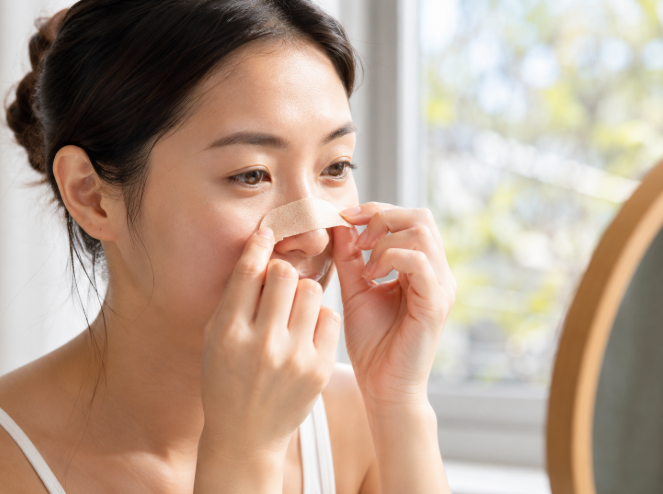
Brands can develop better nasal strips by designing around user scenarios instead of selling one generic strip to everyone.
Sleep nasal strips should focus on soft feel, overnight hold, and gentle removal. Sports nasal stripsshould focus on sweat resistance, stronger adhesion, and secure edges. Daily nasal strips should focus on clear or skin-tone appearance. Sensitive-skin strips should focus on gentle adhesive and soft backing.
Why Should Sleep, Sports and Daily Nasal Strips Be Designed Differently?
Sleep, sports, and daily nasal strips should be designed differently because the wearing conditions are different.
Sleep strips need comfort over several hours. Sports strips need stability under sweat and movement. Daily strips need a discreet appearance. Sensitive-skin strips need gentle removal.
This is also why private label brands should not only ask for “a nasal strip.” They should define the user, use scenario, adhesive level, material, size, and packaging direction first.
How Can Athena Support Custom Nasal Strip Development?
Athena supports OEM/ODM custom patch solutions, including nasal strips and mouth tapes. Its website highlights flexible customization, small-batch orders, artwork-based designs, sample-based development, packaging support, and end-to-end solutions.
For brands that want to develop sleep, sports, daily wellness, or private label nasal strips, Athena can support custom product directions such as material selection, adhesive matching, shape design, packaging design, sample development, and scalable production. Brands can learn more at https://www.athenamed.cn/

Conclusion
The best nasal strips depend on how you plan to use them. For sleep, choose comfort and overnight hold. For snoring, look for balanced lift and stable adhesion. For running, choose sweat resistance and stronger edge hold. For sensitive skin, choose soft material and gentle removal.
The best nasal strip is not always the strongest, the most expensive, or the highest rated. It is the one that fits your nose, feels comfortable on your skin, and works for your real use scenario.
For brands, this also creates an opportunity to develop targeted nasal strip product lines for sleep, sports, daily wellness, sensitive skin, and private label retail markets.
Sections
30 September 2026
Learn how long to leave a pimple patch on, when to remove or replace it, why hydrocolloid turns white, and how to care for skin after removal.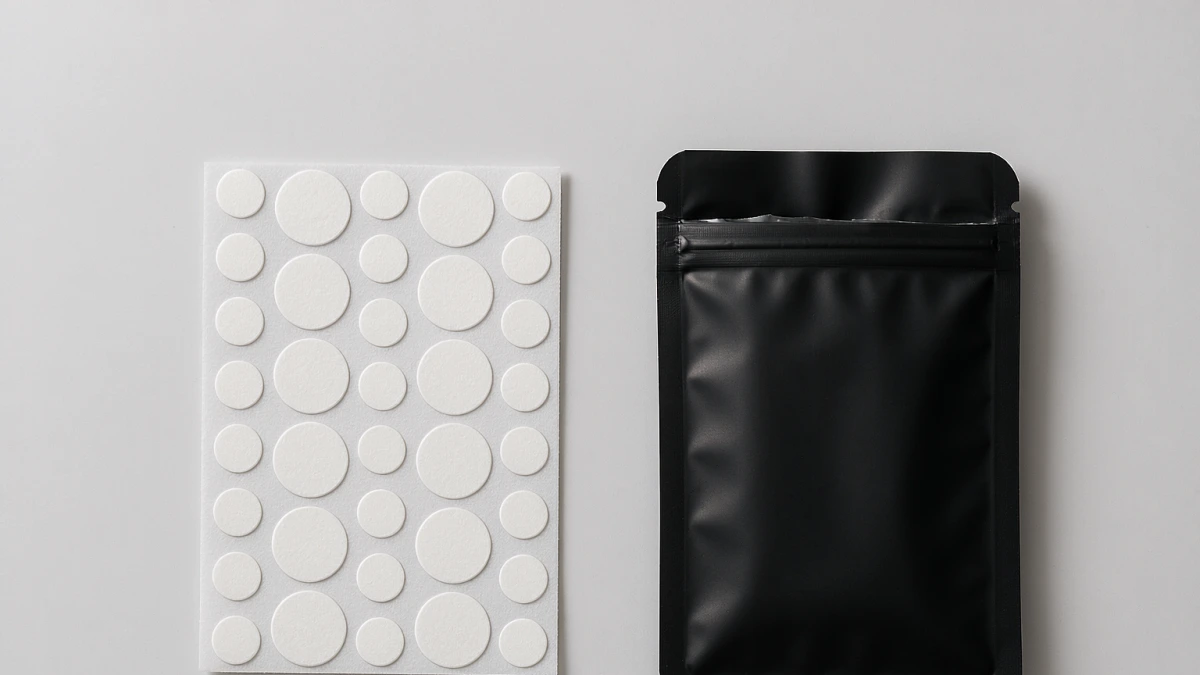 Read More
20 July 2026
When you wear nasal strips, the first thing that happens is not deep inside the airway. It starts on the surface of the nose. The adhesive holds the strip on the skin, while the flexible support layer creates a light outward pull on the sides of the nose. For some users, this can make the front nasal passage feel more open soon after application. For others, the difference may feel small. Some users may notice peeling edges, tightness, red marks, or adhesive residue after removal. This article explains what actually happens when nasal strips are worn, why the experience feels different from person to person, and what these reactions mean for brands developing custom nasal strips. Read More