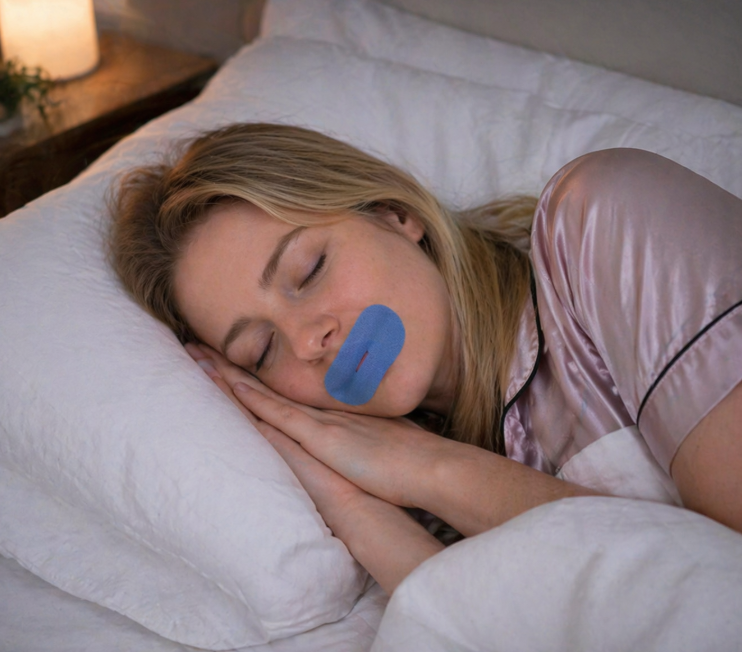
What Actually Happens When You Wear Nasal Strips?
Date:2026-07-20
Read:148
source: Zoey
Summary
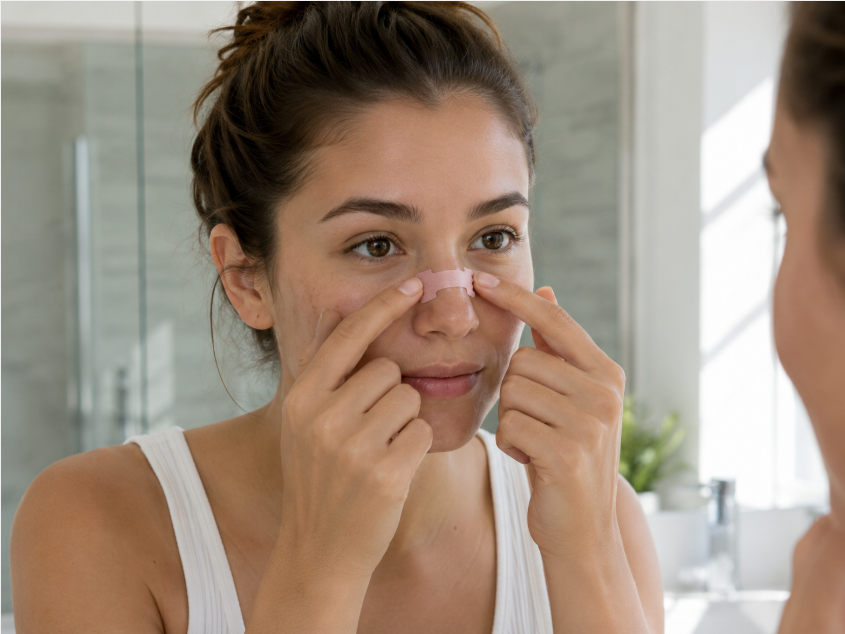
When you wear nasal strips, the first thing that happens is not deep inside the airway. It starts on the surface of the nose. The adhesive holds the strip on the skin, while the flexible support layer creates a light outward pull on the sides of the nose.
For some users, this can make the front nasal passage feel more open soon after application. For others, the difference may feel small. Some users may notice peeling edges, tightness, red marks, or adhesive residue after removal.
This article explains what actually happens when nasal strips are worn, why the experience feels different from person to person, and what these reactions mean for brands developing custom nasal strips.
Quick Answer
Question | Practical Answer |
Do nasal strips actually work? | They may work when the strip’s lift matches the user’s nose shape and the restriction is near the front nasal passage. |
How quickly do they work? | Many users feel the effect soon after correct placement because the strip works mechanically. |
Why do nose strips feel different for different people? | Nose shape, skin oil, adhesive strength, strip width, and support structure all affect the experience. |
Can you wear them every night? | It may be okay if the skin tolerates the adhesive and removal remains gentle. |
How often should you use them? | Use them when needed and adjust frequency based on skin comfort. |
The First Change Happens on the Skin
The first change happens when the adhesive anchors the strip to the skin. Before a nasal strip can create any lifting effect, it needs a stable hold on the nose.
This is why the same product may feel different from one day to another. Skin oil, sweat, moisturizer, sunscreen, humidity, and facial movement can all affect how well the strip stays in place.
If the adhesive does not hold well, the support layer cannot work as intended. The user may feel weak lift, uneven tension, or early peeling.
Why Clean Skin Makes the Strip Feel More Secure
Clean skin helps adhesive nasal strips feel more secure because the adhesive can bond more evenly to the surface of the nose.
When the skin is oily or damp, the strip may still attach at first, but the edges can loosen faster. This can make users think the strip “does not work,” when the real issue may be poor skin preparation or adhesive mismatch.
For brands, this is also a product design issue. Clear instructions, suitable adhesive strength, and skin-friendly materials can reduce complaints about peeling or unstable wear.
The Strip Creates a Gentle Outward Pull
After the adhesive holds the strip in place, the flexible support layer begins to pull outward. This is the feeling many users describe as the nose feeling more open.
Nasal strips are often described as external nasal dilators because they support the nose from the outside. The strip does not go inside the nose or push air into the airway. Instead, it uses a small mechanical lifting force to support the nasal sidewalls.
Sleep Foundation explains that nasal strips are adhesive strips placed on the nose to help hold the nostrils open and increase airflow through the nose.
Suggested reference: https://www.sleepfoundation.org/snoring/how-do-nasal-strips-work
How Long Does It Take for Nasal Strips to Kick In?
Nasal strips may feel like they kick in soon after correct placement. They do not need time to absorb because they work through mechanical lift.
Once the adhesive is secure and the support layer begins pulling outward, some users may quickly feel easier nasal breathing. If there is no noticeable difference, time may not be the issue.
Common reasons include:
the strip is not sitting on the right support area;
the strip width does not match the nose shape;
the support layer is too soft or too strong;
the skin is too oily for stable adhesion;
the breathing discomfort is not mainly near the front nasal passage.
So the better question is not only how long nasal strips take to work, but whether the strip design fits the user.
Do Nasal Strips Actually Work for Everyone?
Nasal strips do not feel the same for everyone. They may feel helpful when the strip’s lift matches the user’s nose shape and the airflow restriction is near the front of the nose.
One user may feel a clear opening sensation. Another may feel only a light pull on the skin. Someone else may notice that the strip stays on well but does not change their breathing experience much.
SleepApnea.org notes that nasal strips may help when snoring is related to nasal congestion or narrow nasal passages.
Suggested reference: https://www.sleepapnea.org/snoring/do-snoring-strips-really-work/
Why Some Users Feel Immediate Relief
Some users feel immediate relief because the support point lands in the right place. The strip creates enough outward lift, the adhesive holds evenly, and the material feels comfortable.
This is more likely when the user has mild restriction near the nasal opening, temporary stuffiness, or a nose shape that matches the strip design.
Why Some Users Feel Little Difference
Some users feel little difference because the strip may not match their nose shape, skin type, or breathing issue.
Possible reasons include:
the nose bridge or nostril flare does not match the strip shape;
the strip is too narrow or too wide;
the support band is too soft;
the adhesive is unstable on oily skin;
the main breathing issue is not where the strip provides support.
This is why user feedback can vary so much for the same product.
Why the Wearing Experience Changes After a Few Hours

The wearing experience can change after a few hours because skin and movement change during use. A strip may feel secure at first, then become loose, tight, or slightly uncomfortable later.
This can happen during sleep, exercise, or warm weather. Skin oil increases, sweat may appear, and facial movement can add pressure to the adhesive edges.
Why Edges Start to Lift
Edges start to lift because they are the weakest contact points. They are more exposed to oil, sweat, pillow friction, facial movement, and curved skin surfaces.
Edge lifting may happen when:
the skin was not dry enough;
the strip edge does not match the nose curve;
the adhesive is too weak for the scenario;
the strip is too stiff;
sweat or oil reduces the hold.
For sports nose strips, edge stability is especially important because movement and sweat challenge the adhesive more quickly.
Why Some Strips Feel Too Tight
Some strips feel too tight because the support force, adhesive pull, or strip width does not match the user’s nose.
A stronger strip may create a clear lift at first, but after several hours, the user may feel pressure across the bridge or pulling on the skin. This does not always mean the product is poor. It may simply be too strong for long-hour wear.
For sleep nasal strips, comfort over time matters more than a strong first impression.
What Removal Tells You About the Product
Removal tells users a lot about the product. A good nasal strip should come off slowly and cleanly without strong pulling, heavy residue, or lasting discomfort.
A poorly matched adhesive nose strip may feel fine while worn but uncomfortable during removal. This can reduce repeat purchase even if the strip provided good lift.
Red Marks, Residue and Skin Feedback
Red marks, residue, and skin irritation are important feedback signals.
A light temporary mark may come from normal adhesive pressure. Strong redness, itching, burning, or lasting discomfort may suggest the adhesive is too aggressive, the strip was removed too quickly, or the material does not suit the user.
Residue may relate to adhesive formula, wear time, humidity, skin oil, or product quality. For private label brands, removal comfort is not a small detail. It directly affects user trust and repeat orders.
Is It Okay to Wear Nasal Strips Every Night?

It may be okay to wear nasal strips every night if the skin remains comfortable and removal is gentle. The key is not only whether the strip helps once, but whether the skin tolerates repeated use.
Nightly use reveals issues that one-time use may not show. A strip may feel fine on the first night but become irritating after repeated wear if the adhesive is too strong or the material is not breathable enough.
SleepApnea.org states that nasal strips are safe for most people to use nightly, although repeated use may cause irritation or redness for some users.
Suggested reference: https://www.sleepapnea.org/snoring/do-snoring-strips-really-work/
For sleep products, brands should pay attention to:
overnight hold;
skin-friendly adhesive;
breathable backing;
soft edge design;
low-residue removal;
comfort after repeated use.
How Often Should I Use Nose Strips?
How often you should use nose strips depends on your need and your skin response. Some users wear them only during temporary stuffiness, travel, workouts, or occasional sleep discomfort. Others use them more regularly at night.
Occasional use and daily use create different product expectations. Occasional users may care most about immediate lift. Daily users usually care more about gentle adhesive, low residue, and long-term comfort.
Single-use nasal strips should not be reused. Once removed, the adhesive loses holding strength and may not remain clean or stable enough for reliable wear.
Custom Nasal Strips Built Around Real Wearing Experience
Custom nasal strips should be designed around real wearing experience, not only appearance or packaging.
For brands, the real product test begins after the customer wears the strip. Important questions include:
Does the user feel support quickly?
Does the strip stay in place?
Do the edges lift?
Does the strip feel tight after several hours?
Is removal comfortable?
Is there residue?
Would the user buy it again?
These questions matter for custom nose strips, OEM nasal strips, and private label nasal strips targeting different user groups.
Adhesive, Material and Support Structure Matter
Adhesive, material, and support structure decide whether a nasal strip feels stable, gentle, breathable, or uncomfortable.
For B2B product development, important design points may include:
medical-grade acrylic adhesive;
sweat-resistant adhesive systems;
breathable non-woven backing;
flexible PE material;
spring support layer;
strip width and bridge ratio;
edge shape;
release liner;
individual pouch packaging;
retail instruction design.
Henry Ford Health notes that nasal strips may make some users feel they are breathing better, but research on athletic performance outcomes remains mixed.
For brands, this means product claims should stay practical. Stronger positioning should focus on comfort, fit, adhesion stability, and clear use scenarios.
How Athena Supports OEM and Private Label Nasal Strips
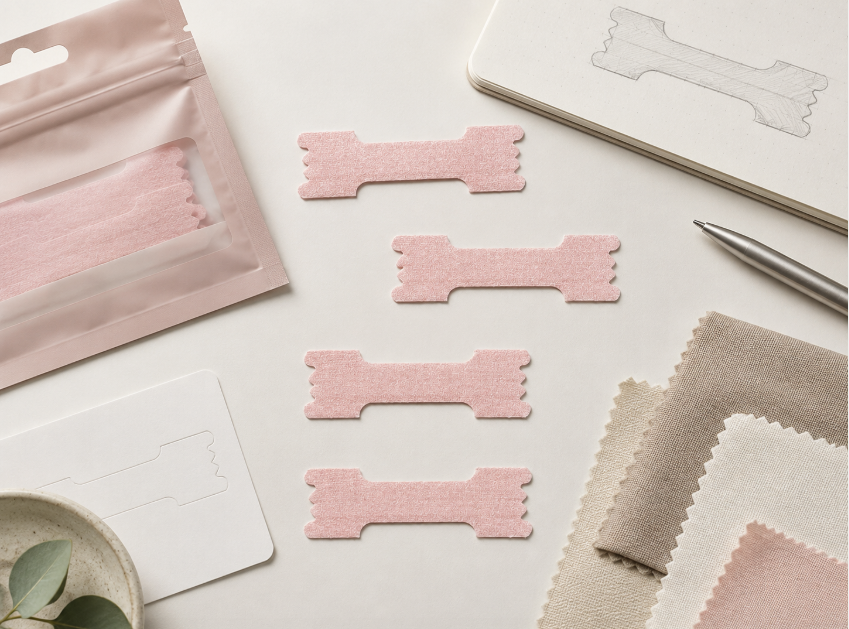
Athena supports OEM/ODM custom patch solutions for nasal strips, mouth tapes, and related patch products. Its website highlights flexible customization, small-batch orders, artwork-based designs, sample-based development, packaging support, and end-to-end solutions.
For custom nasal strips, Athena can support product development across shape, adhesive, materials, scent, color, packaging, samples, and scalable production. These options help brands turn user wearing feedback into better product decisions, such as softer materials for long-hour wear, stronger edge hold for sports, gentle adhesive for sensitive skin, and clearer packaging instructions for correct use.
Brands can learn more at: https://www.athenamed.cn/
FAQ About Wearing Nasal Strips
1. Do those nasal strips actually work?
Nasal strips can work for some users when the strip’s lift matches the nose shape and the airflow restriction is near the front nasal passage. The effect also depends on placement, skin condition, adhesive strength, and strip structure.
2.Is it good to use nose strips?
Nose strips can be useful for temporary breathing comfort support when the user’s skin tolerates the adhesive well. They are most suitable for users who want simple external support without placing a device inside the nose.
3.Is it okay to wear nasal strips every night?
It may be okay to wear nasal strips every night if the skin stays comfortable and removal is gentle. If redness, itching, residue, or discomfort increases, users may need a gentler adhesive or lower .
4.How long does it take for nasal strips to kick in?
Nasal strips may feel effective soon after correct placement because they rely on mechanical lifting force rather than absorption. If there is no noticeable change, the strip may not match the user’s nose shape, placement, or breathing issue.
5.How often should I use nose strips?
Use nose strips when needed, such as during sleep, workouts, travel, or temporary nasal stuffiness. Daily use should depend on skin comfort, adhesive tolerance, and whether the strip remains comfortable after repeated wear.
Conclusion
What actually happens when you wear nasal strips is a combination of skin adhesion, outward support, material flexibility, and personal fit. The adhesive holds the strip in place, the support layer pulls outward, and the user may feel the front nasal passage become more open.
But the experience is not the same for everyone. Nose shape, skin oil, strip width, adhesive strength, edge design, and wear time all change how the product feels. This explains why one user may feel immediate breathing comfort while another may notice peeling, tightness, red marks, or little difference.
For brands, nasal strip development should focus on the full wearing experience: how the strip sticks, how it lifts, how it feels after hours of use, and how it removes from the skin. Athena can support brands that want to develop custom nasal strips for different users, markets, and private label product lines.