How Long to Leave a Pimple Patch On
Date:2026-09-30
Read:79
source: Zoey
For a plain hydrocolloid pimple patch, 6 to 8 hours is a practical starting range, and many products are designed for overnight wear. Remove the patch sooner if its center turns opaque, the edges lift, it becomes wet or dirty, or the covered skin begins to itch, burn, swell, or hurt.
This is a starting point rather than a universal time limit. Product instructions take priority because plain hydrocolloid patches, medicated acne patches, and microdart patches use different structures and ingredients. Some products specify 6 to 12 hours, while others provide a fixed overnight application period.
The right removal time depends on three checks:
- The wear time stated in the product instructions;
- The condition of the patch;
- The condition of the skin underneath it.
How Long Should You Leave a Pimple Patch On?
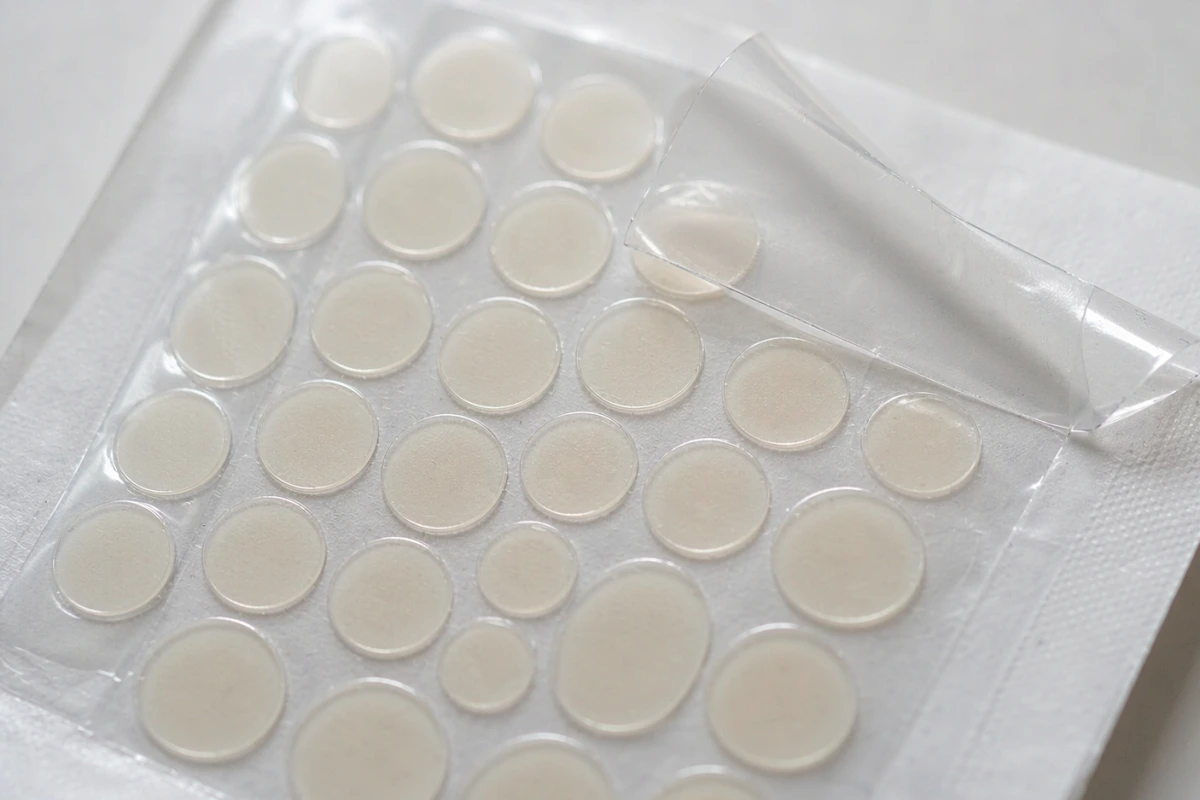
Most plain hydrocolloid acne patches need several hours of contact with the skin. Many products are designed to be worn for 6 to 12 hours or overnight and removed when the patch becomes opaque or stops adhering properly.
Individual product instructions can be more specific. One patch may be designed for eight hours of overnight use, while another may require a shorter application period. The directions supplied with the specific product should always control its use.
A plain hydrocolloid patch can often be applied before bed and removed the following morning. Daytime wear is also possible when the patch remains clean, lies flat, and does not interfere with sunscreen, makeup, or normal facial movement.
Keeping the same patch attached for longer does not automatically improve the result. Once it becomes saturated, contaminated, uncomfortable, or loose around the edges, its useful wear period has ended even if it has not reached the maximum time printed on the package.
Practical Pimple Patch Wear-Time Guide
| Patch condition | Recommended action |
|---|---|
| Plain hydrocolloid patch remains clear and firmly attached | Continue wearing it within the stated product time |
| Center has become opaque or visibly swollen | Remove it and assess the skin |
| Edges are lifting | Remove or replace it because the seal is no longer secure |
| Patch becomes wet, dirty, or contaminated | Remove it rather than extending wear |
| Skin begins itching, burning, swelling, or hurting | Remove it immediately |
| Medicated or microdart patch | Follow the instructions for that specific product |
| No change after the expected wear period | Reassess whether the blemish suits that patch type |
Why Pimple Patch Wear Time Varies
The term “pimple patch” covers several product structures. Their recommended wear times cannot be treated as interchangeable.
Plain Hydrocolloid Pimple Patches
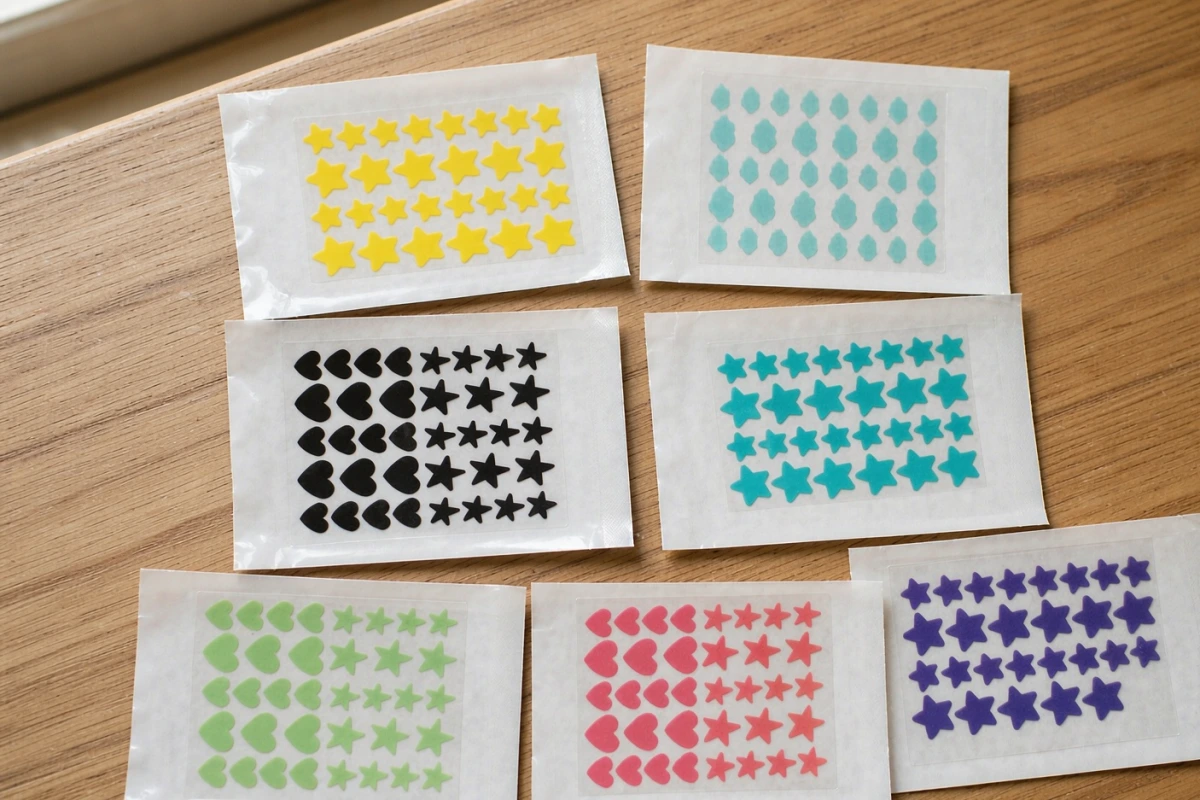
Hydrocolloid is a gel-forming material that absorbs fluid and maintains a protected environment over the covered area. As the material absorbs drainage, its center may swell and become white or cloudy.
Plain hydrocolloid patches are generally better matched to surface-level blemishes containing accessible fluid. They also form a physical barrier that can discourage touching and picking.
Hydrocolloid patches have limited value for blackheads and deeper blemishes because there may be little accessible surface fluid for the material to absorb. A lack of visible change does not necessarily mean the user should extend the wearing time.
Athena’s custom acne patch solutions include hydrocolloid, medicated, and microdart product directions. The material, thickness, size, backing, adhesion, and intended use of a finished patch all affect how its application and wear-time instructions should be written.
Medicated Pimple Patches
Some pimple patches contain ingredients such as salicylic acid, tea tree oil, niacinamide, or centella asiatica. The wearing instructions for these products should be based on the complete finished formula rather than copied from a plain hydrocolloid patch.
Do not assume that a medicated patch can stay on longer because it contains an active ingredient. Extending contact time can increase irritation for some users.
Avoid placing a separate acne serum underneath the patch unless the product instructions specifically permit it. The combination may alter skin exposure, weaken adhesion, or introduce ingredients that have not been evaluated together.
Microdart or Microneedle Pimple Patches
Microdart patches contain small projections designed to place a formula in close contact with the skin. Their required application pressure, wear period, and removal method are product-specific.
A microdart patch may not develop the same white center as a fluid-absorbing hydrocolloid patch. Therefore, “remove it when it turns white” is not a reliable instruction for this format.
Follow the stated application period and do not reposition or reuse a microdart patch after it has been applied.
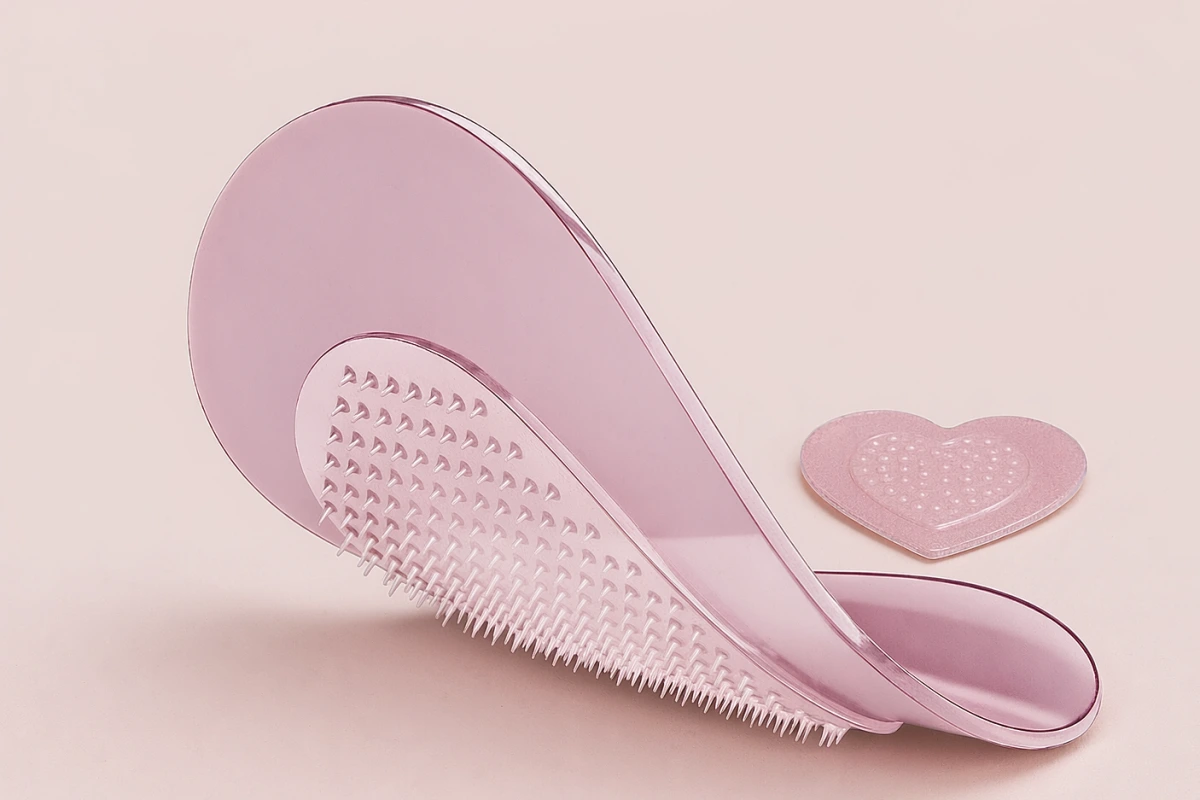
For skincare brands comparing this format, Athena’s microneedle pimple patch sourcing guide explains how to assess the patch structure, formula, samples, packaging, documentation, and intended target market before production.
When to Remove a Pimple Patch
Time is only one removal signal. Remove the patch when its appearance, adhesion, cleanliness, or the condition of the skin indicates that continued wear is no longer appropriate.
The Center Turns White or Cloudy
A white or cloudy area usually forms when hydrocolloid material absorbs moisture and becomes gel-like. This indicates that the material has taken up fluid.
It does not prove that the patch has removed every substance from the pore, eliminated bacteria, or resolved the underlying cause of the breakout.
Once the center has expanded or become substantially opaque, remove the patch and inspect the skin before deciding whether another one is needed.
The Edges Begin to Lift
Sweat, facial movement, skincare residue, and moisture can weaken the edge seal. A partially detached patch is more likely to move across the skin or collect external residue.
Do not press a dirty or saturated patch back into place. Remove it and use a new patch only if continued coverage remains appropriate.
The Patch Becomes Wet or Dirty
Remove a patch after it has been loosened by showering, heavy sweating, or external contamination. Once a patch has moved or collected residue, it should not be reapplied.
The Skin Feels Irritated
Take the patch off if the covered area develops persistent itching, burning, increasing pain, swelling, blistering, or redness extending beyond the adhesive area.
Mild temporary redness can occur after removing an adhesive product. However, worsening or persistent irritation requires a break from patch use.
Seek professional medical advice if the area develops spreading redness, warmth, increasing swelling, significant pain, or other signs that require clinical assessment.
How to Apply a Pimple Patch So It Stays On
Correct preparation helps a patch remain attached for its intended wear period.
Wash your hands first. Clean the blemish and surrounding skin gently, and then pat the area completely dry. Oil, moisture, sunscreen, moisturizer, and serum residue can prevent the adhesive from forming an even seal.
Choose a patch large enough to cover the target area while leaving an adhesive margin on the surrounding dry skin. Avoid touching the center or adhesive surface while removing the patch from its liner.
Place the patch directly over the blemish and press the edges down. Avoid repeatedly lifting and repositioning it because this weakens adhesion and can transfer residue to the adhesive surface.
Apply the rest of your skincare routine around the patch rather than underneath its adhesive area, unless the manufacturer’s instructions state otherwise. If you are unsure about sequencing, this guide to pimple patch before or after skincare explains where the patch fits in a routine.
A patch that repeatedly lifts can indicate that:
- The skin was not completely dry;
- Skincare residue remained under the adhesive;
- The patch was too small for the target area;
- The placement area moves heavily during facial expressions;
- The adhesive level or backing was unsuitable for the use occasion.
These factors also matter during product development. An effective acne-patch specification should connect patch diameter, edge design, backing flexibility, adhesion, and intended daytime or overnight use.
Should You Replace a Pimple Patch After Removing It?
Replace a pimple patch only when the area still has accessible surface fluid, the skin tolerates the adhesive, and the product instructions allow repeated applications.
After removing the used patch, clean the area gently and allow it to dry. Do not place a fresh patch over skincare residue or remaining adhesive.
A second patch may be appropriate when the first one becomes saturated and the blemish continues to release a small amount of fluid.
Stop replacing patches when:
- The area is no longer producing fluid;
- Repeated removal is irritating the surrounding skin;
- The skin begins bleeding;
- The blemish remains deep with no accessible surface fluid;
- The condition becomes more painful or swollen;
- The product directions limit repeat applications.
Most adhesive pimple patches are designed for single use. A removed patch has already collected moisture, oil, and skin residue, and its original adhesive seal has been disturbed.
How to Remove a Pimple Patch Without Pulling the Skin
Start at one edge and loosen the patch slowly. Keep the movement low and close to the skin rather than pulling sharply upward.
If the adhesive feels too strong, soften the area with warm water and wait before trying again. Do not tear the patch off quickly, especially from irritated or recently opened skin.
Removal methods can vary with the patch backing, adhesive strength, size, and wearing time. Always check the instructions supplied with the specific product.
What to Do After Taking Off a Pimple Patch
After removal, inspect the skin before automatically applying another patch.
Wash away any residue gently and pat the area dry. Do not squeeze, scrape, or press the blemish to check whether more fluid will come out.
Choose the next step according to the condition of the skin:
| Skin condition after removal | Next step |
|---|---|
| Surface is dry, flat, and comfortable | Leave it uncovered and continue a gentle skincare routine |
| Area still releases a small amount of fluid | Apply a fresh patch if the instructions permit |
| Skin looks irritated by the adhesive | Stop patch use and avoid additional irritating products |
| Blemish remains deep with no surface fluid | Do not continue replacing plain hydrocolloid patches |
| Area is bleeding | Apply gentle pressure and do not immediately cover it with another cosmetic patch |
| Redness, warmth, pain, or swelling is increasing | Seek advice from a qualified healthcare professional |
Pimple patches are localized skincare products. They do not replace appropriate treatment for persistent, widespread, painful, infected, or scarring acne.
Common Pimple Patch Timing Mistakes
Leaving a Saturated Patch on Because It Still Sticks
Adhesion and absorption capacity are different. A patch can remain attached after its center has absorbed fluid. Remove or replace it according to its condition and instructions.
Using the Same Wear Time for Every Patch Type
A wear time suitable for plain hydrocolloid does not automatically apply to a salicylic-acid patch or a dissolving microdart patch. Identify the product format before deciding how long to wear it.
Waiting for Every Patch to Turn White
The white appearance mainly applies to hydrocolloid material that has absorbed moisture. A dry blemish, a deep bump, or another patch structure may never produce the same visual change.
Replacing Patches for Several Days Without Reassessing the Skin
Repeated adhesive removal can irritate the surrounding skin. If the area continues draining, repeatedly reopens, or becomes more painful, stop treating the process as a routine patch change and seek appropriate professional advice.
Applying the Patch Over Skincare Products
Creams, oils, and serums can weaken adhesion and make the patch lift before it has completed its intended wear period. Apply it to clean, dry skin unless the product instructions specify another method.
FAQ About Pimple Patch Wear Time
Can You Leave a Pimple Patch on Overnight?
Yes, if the product is intended for overnight use. Apply it to clean, dry skin and remove it in the morning, or earlier if it becomes uncomfortable, loose, wet, or saturated.
Can You Leave a Pimple Patch on for 24 Hours?
Do not use 24 hours as a universal target. Some products may permit extended wear, while many specify a shorter period. Remove the patch when it becomes saturated, lifts, gets dirty, or irritates the skin, even if the printed maximum time has not been reached.
Why Does a Pimple Patch Turn White?
Hydrocolloid material becomes white or cloudy as it absorbs moisture and forms a gel. The color change is a useful removal signal, but it does not prove that the patch has completely emptied the pore.
How Many Times Can You Replace a Pimple Patch?
There is no fixed number. Apply a fresh, single-use patch only while accessible surface fluid remains and the surrounding skin is comfortable. Stop if repeated applications cause redness, pain, bleeding, or skin damage.
How Long Does It Take for a Pimple Patch to Work?
A hydrocolloid patch may show absorbed fluid after several hours. The visible response depends on the blemish type and the amount of moisture available at the skin’s surface.
Deep bumps and blackheads may not produce the same result because there is little surface fluid for a plain hydrocolloid patch to absorb.
Should You Remove a Pimple Patch When It Turns White?
Yes. An opaque or swollen center generally indicates that the hydrocolloid material has absorbed moisture. Remove the patch, clean and dry the area, and then decide whether another patch is appropriate.
Final Takeaway
For most plain hydrocolloid products, 6 to 8 hours or overnight is a useful starting point. The correct removal time still depends on the product instructions, the condition of the patch, and the response of the skin.
Remove the patch when it becomes opaque, loses its seal, gets contaminated, or causes discomfort. Do not expect medicated and microdart patches to follow the same timing or removal signals as plain hydrocolloid patches.
Brands developing hydrocolloid, medicated, or microdart acne patches need product-specific directions that match the finished material, formula, adhesion, and intended use. Athena’s private label patch customization process supports product modeling, material selection, sample development, packaging requirements, and confirmation before mass production.
Need Custom Acne Patches for Your Brand?
Tell us your required patch type, size, formula, packaging, and target market. Athena can recommend suitable sample options and prepare a project-specific quotation.
Sections