Mouth Tape With a Hole vs Full Coverage: What Changes?
Date:2026-09-28
Read:80
source: Zoey
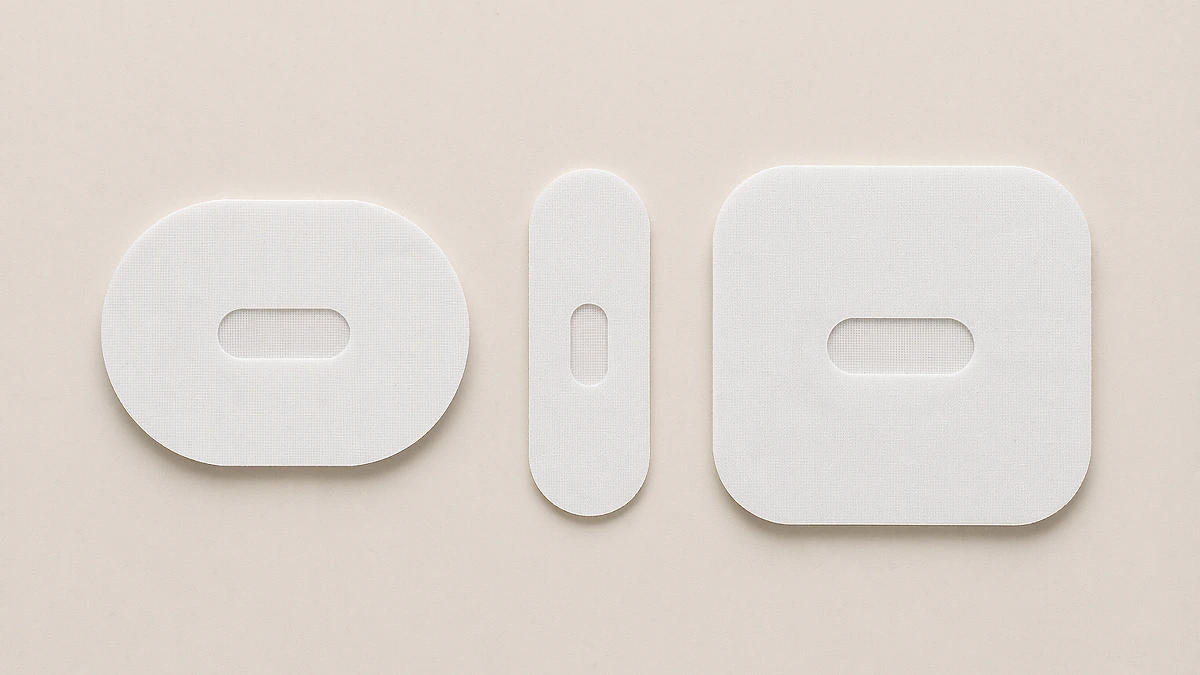
Mouth tape with a hole has an intentional opening through the patch. Full-coverage mouth tape covers the lips without that opening. The difference affects where the material and adhesive sit, whether the patch provides a possible route for mouth airflow, and how its shape fits around the lips. A hole alone does not establish that a patch is safer, more comfortable or more effective.
A narrow strip across the center of the lips is a third design. It covers less of the mouth, but it may have no hole at all. Looking separately at the opening, lip coverage and adhesive contact area makes it easier to understand what a product actually offers.
What Is Mouth Tape With a Hole?
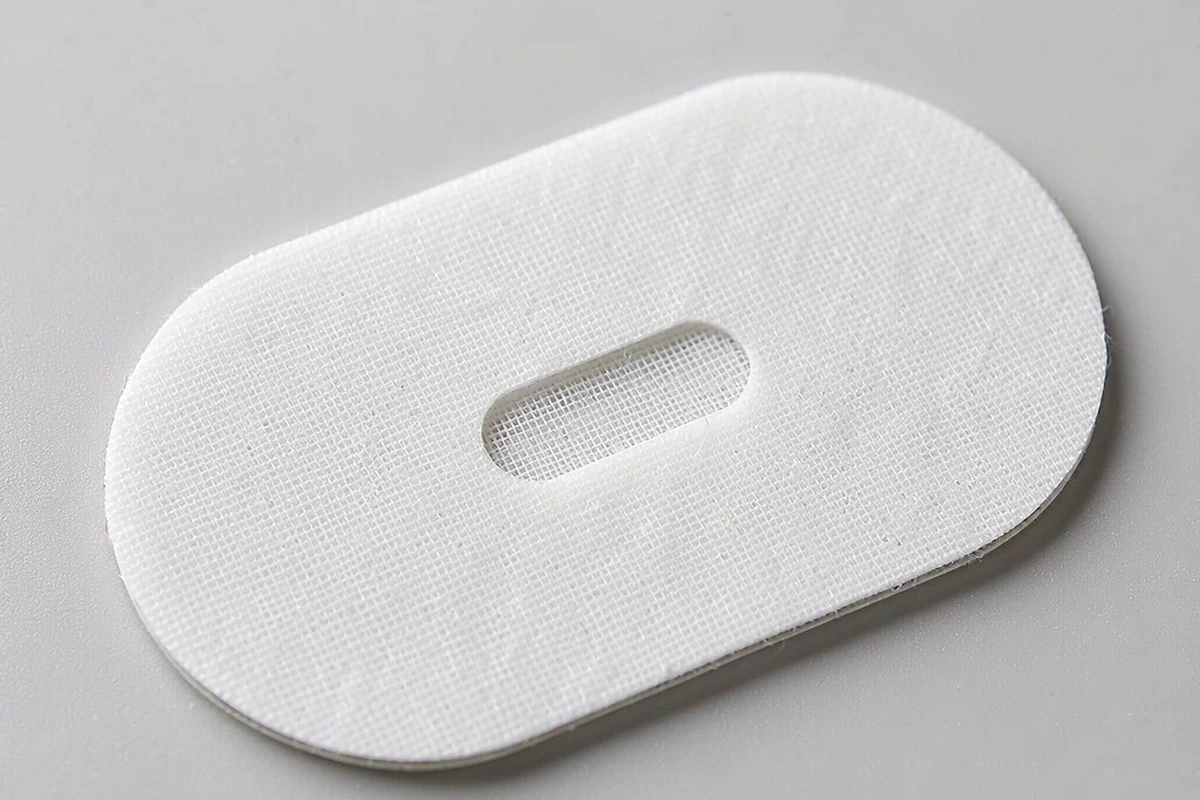
A vented mouth tape has a deliberate cutout or slit. Some designs place a small opening in the center of a broad patch. Others use an opening within a narrower shape. The size and position of the vent vary, so the label alone does not tell you how much of the lips remain covered.
Partial coverage means something different. A narrow strip may cross the center of the lips while leaving the corners uncovered, even though there is no opening through the strip itself. Likewise, a patch can cover much of the lip area and still have a center vent.
Product photos should show both the outer shape and the opening. If the cutout is hard to see, a flat sample or dimensioned drawing gives a clearer answer than descriptions such as "small" or "breathable."
Is a Center Vent the Same as an Open-Frame Design?
No. A center-vented patch has an opening cut within its material. An open-frame design places material around a larger uncovered central area. Both may leave part of the lips visible, but their dimensions, adhesive placement and contact with the skin can differ.
Vented, Partial-Coverage and Full-Coverage Mouth Tape Compared
These are descriptions of shape, not performance rankings. The adhesive, backing material, dimensions and application conditions also affect how a patch feels, holds and removes. A wider patch is not automatically stronger, and a smaller one is not automatically gentler.
| Design | Opening | Lip coverage | What to verify on the sample |
|---|---|---|---|
| Vented | Cutout or slit within the material | Depends on vent size and position | Where the hole sits and how much lip area stays covered |
| Partial-coverage | Usually none through the strip | Center crossed, corners open | Whether lip corners are left uncovered |
| Full-coverage | No designed cutout | Lips covered by material | Actual edge position and skin contact area |
Does the Hole Allow Mouth Airflow?
An opening creates a possible route for air through the patch. How usable that route is depends on the vent’s dimensions, its position and how the lips sit beneath it. A cutout visible on an unused patch may be partly covered when the patch is worn.
A narrow strip without a vent works differently: it may leave space beside the strip, but it does not have an opening through the material. Full-coverage tape has neither a designed cutout nor the same uncovered corners. These differences are why vented, partial-coverage and full-coverage should not be treated as interchangeable names.
The word "breathable" also needs context. Breathable mouth tape may refer to its backing material or perforations; it does not necessarily have a visible center hole. When comparing products, check which feature the description means.
None of these designs opens a blocked nasal airway. If breathing comfortably through the nose is difficult, changing the tape shape does not resolve the cause. A vent should not be treated as a guarantee of safety for someone with nasal obstruction or a suspected breathing disorder. The broader custom mouth tape range covers shape, material and hold options rather than any breathing correction.
Does Full-Coverage Mouth Tape Hold Better?
A larger patch can provide more space for adhesive contact, but more coverage does not guarantee better hold. An edge that crosses stubble or sits on oily skincare may lift. A patch can also shift where the face moves, regardless of its total size.
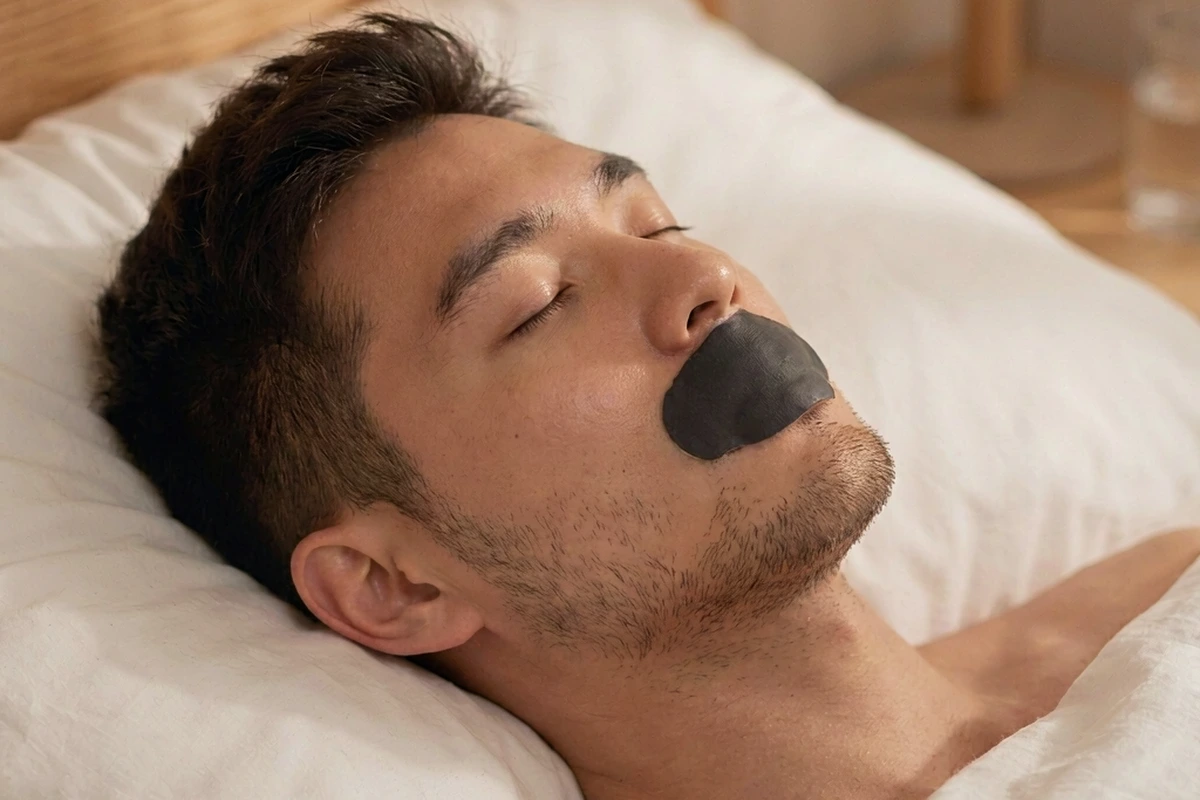
The useful comparison is where the adhesive meets the skin. Check the width of the adhesive area, the patch’s flexibility and whether its edges extend into facial hair. For removal, consider the adhesive contact area and the manufacturer’s instructions together. Less material touching the face does not, by itself, prove that removal will be gentler.
This is especially relevant when comparing mouth tape for beards or styles intended for sensitive skin. A label cannot replace a look at the actual adhesive layout and material. The same shape can feel different when paired with a different backing or adhesive.
What If the Tape Lifts After Lip Balm or Skincare?
Lip balm, facial oil and moisturizer can affect contact between adhesive and skin. Check whether the adhesive is intended to meet the lips, the skin around them, or both, and follow the instructions for that particular patch. A claim that one material works over lip balm should not be assumed to apply to every adhesive or design.
For a brand comparing samples, edge lifting and removal are separate observations. Record where lifting begins, whether skincare was present and how the skin feels afterward. That gives more useful feedback for adjusting a prototype than describing it simply as "too weak" or "too strong."
Which Mouth-Tape Design Should You Consider?
Begin with the feature you want to compare, then inspect the physical patch.
This comparison helps identify a design; it is not a reason to tape the mouth when breathing is impaired. Persistent nasal blockage, loud snoring with observed pauses in breathing, waking while gasping or marked daytime sleepiness calls for appropriate clinical evaluation. Neither a vented nor a full-coverage patch should be presented as a treatment for sleep apnea. For overnight use, the relevant sleep mouth tape and nasal strip options should be reviewed against the actual fit and intended use.
How Do Shape, Material and Adhesive Work Together?
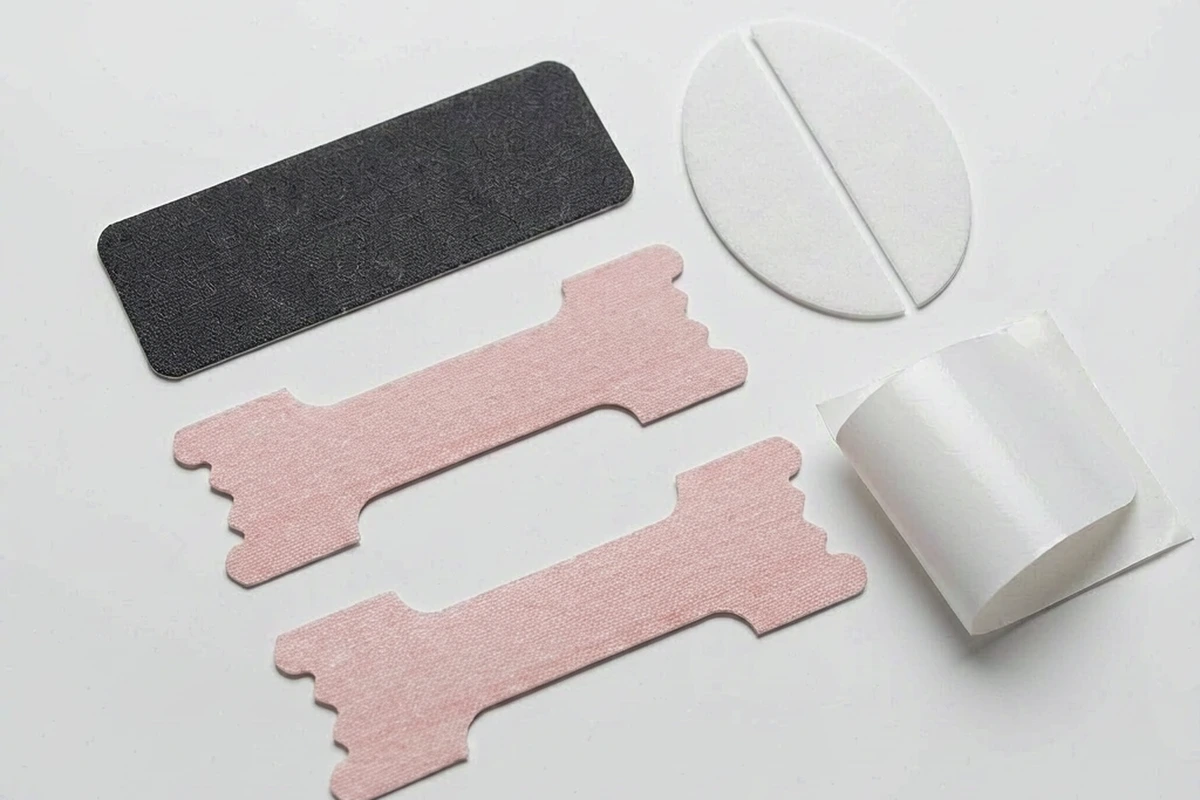
For brands developing a mouth-tape range, "with a hole" is a starting description rather than a complete specification. The opening has to be considered alongside the patch’s outer dimensions, adhesive position, backing material and release liner. Widening a vent, for example, changes the material left around it and may affect where adhesive can be placed.
Athena’s custom mouth tape options include changes to shape, size, breathable holes or perforations, material, adhesive feel and liner design. Those choices address different questions: the cutout defines the opening, the outer shape determines coverage, and the material and adhesive influence contact with the skin. The available combinations should be checked against the intended sample rather than assumed to be identical across every product.
A useful development brief includes a drawing or reference shape, the desired outer and opening dimensions, and the areas where adhesive should contact the skin. It should also identify the issue the sample needs to examine—such as a vent being covered by the lips, an edge lifting near facial hair, or uncomfortable removal. For a sleep-focused range, the intended use and fit can then be considered alongside Athena’s sleep application options, without treating a design choice as a proven sleep or medical outcome.
Frequently Asked Questions
Is partial-coverage mouth tape always vented?
No. Partial coverage describes how much of the lips a patch covers. Vented describes an intentional opening through it. A narrow strip can leave the lip corners uncovered without having a hole.
Does a larger hole always allow more mouth airflow?
The visible hole size is only one factor. Its position and whether the lips partly obstruct it when the patch is applied also matter. A product photo or sample can show the structure, but it does not establish measured airflow.
Does "breathable" mean the tape has a center hole?
No. It may describe the backing material or perforations. Check whether the product has an actual cutout if a visible opening is the feature you want to compare.
Is full-coverage tape always stronger?
No. Coverage affects the possible adhesive contact area, while actual hold also depends on the adhesive, backing flexibility, skin condition, application and facial hair. Compare samples rather than relying on shape alone.
Does a vent make mouth tape suitable for a blocked nose?
A vent does not establish that mouth taping is appropriate when nose breathing is difficult. The opening does not correct nasal obstruction, and persistent or significant breathing difficulty should be assessed.
What should a brand specify when requesting a vented sample?
Provide the outer shape, overall dimensions, opening dimensions or reference drawing, preferred material and intended adhesive contact area. State the fit or removal issue the sample needs to examine so that different designs can be compared against the same brief.
Need a vented, partial-coverage or full-coverage sample built to your brief? Contact Athena with a reference shape, the desired outer and opening dimensions, preferred material, intended adhesive contact area and the fit or removal issue the sample should examine. Athena can prepare a physical sample so the design can be compared against an agreed specification rather than a product name.
Sections
22 October 2026
Can pimple patches irritate your skin? Learn why patches cause redness, itching, or adhesive reactions and what to do when irritation occurs. Read More
12 May 2026
Colored nasal strips are trending in cycling because they combine breathing comfort, sports identity, and visible race-day style. Once known mainly as sleep or snoring products, nasal strips are now appearing in cycling kits, training videos, endurance events, and social media content. Their return is not only about function; it is also about how a small strip on the nose can become part of an athlete’s look. Read More