Pimple Patch Before or After Skincare? Where It Fits in Your Routine
Date:2026-09-17
Read:183
source: Zoey
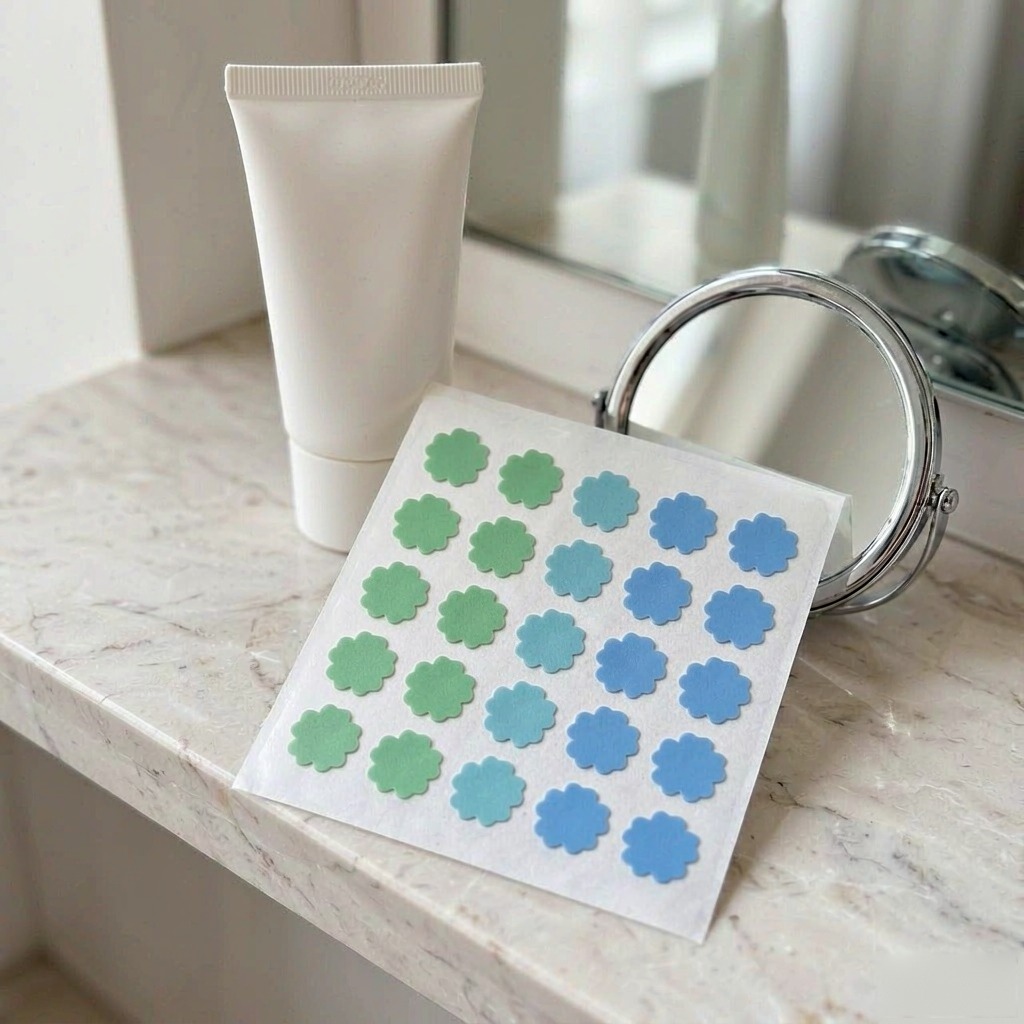
Pimple patch usually goes on after cleansing, once the spot is completely dry, and before serum, moisturizer, facial oil, or sunscreen reaches that area. Apply the rest of your skincare around the patch. This gives the adhesive direct contact with skin instead of asking it to stick to a layer of product.
That answer covers where the patch goes, but the right routine also depends on which patch you are using. A plain hydrocolloid patch is most useful for a suitable surface blemish with fluid. A microdart patch may be intended for an earlier, under-the-skin bump. Products with added active ingredients need another check: what else are you already applying to that spot? Always follow the directions for the particular patch you have.
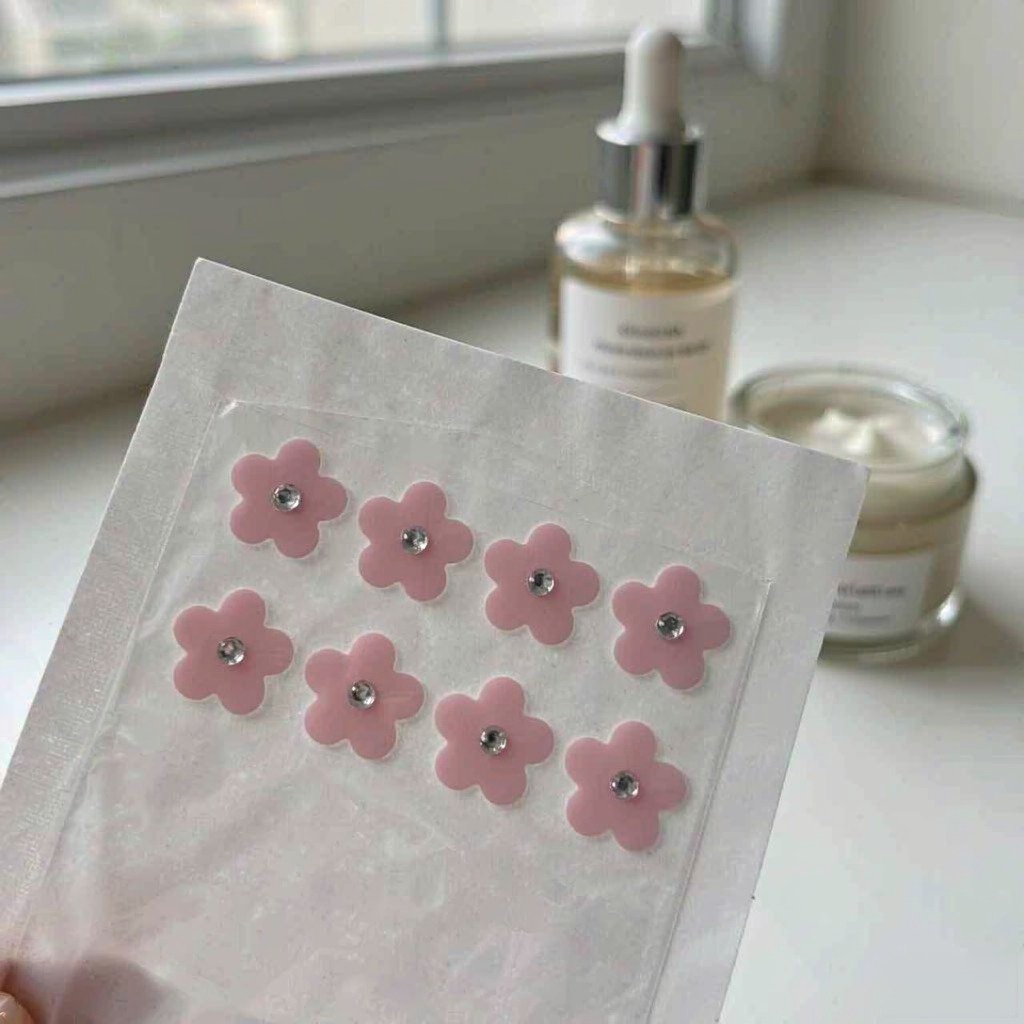
Where does a pimple patch fit in a full skincare routine?
The easiest way to manage the order is to treat the blemish as a small product-free area. Your face can still receive its usual skincare; the skin beneath the patch needs to be clean and dry.
Toner and serum: keep the patch area dry
A toner or serum does not have to be skipped across your whole face. Apply it to the surrounding skin while leaving the patch area bare, or place the patch first and work around it. If you have already applied a watery product to the blemish, check that the skin is fully dry and free of residue before applying the patch.
The important distinction is the condition of the exact spot under the adhesive, not whether every product on your face was applied before or after the patch. A serum on another part of your cheek does not change how the patch sits on a clean spot nearby.
Moisturizer and facial oil: apply around the adhesive
Moisturizer or facial oil beneath a patch can make it harder for the edges to adhere. Put the patch on first, then moisturize the exposed skin around it. Avoid rubbing a cream across the patch or pushing it under the edges.
If you have already moisturized, you do not need to restart your entire routine. Gently clear the product from the blemish and enough surrounding skin for the adhesive, allow that area to dry, and then apply the patch.
Choose the patch that matches the blemish
Routine order alone cannot make a patch suitable for every kind of acne. The patch’s design and the condition of the spot matter more than trying to keep it on for extra hours.
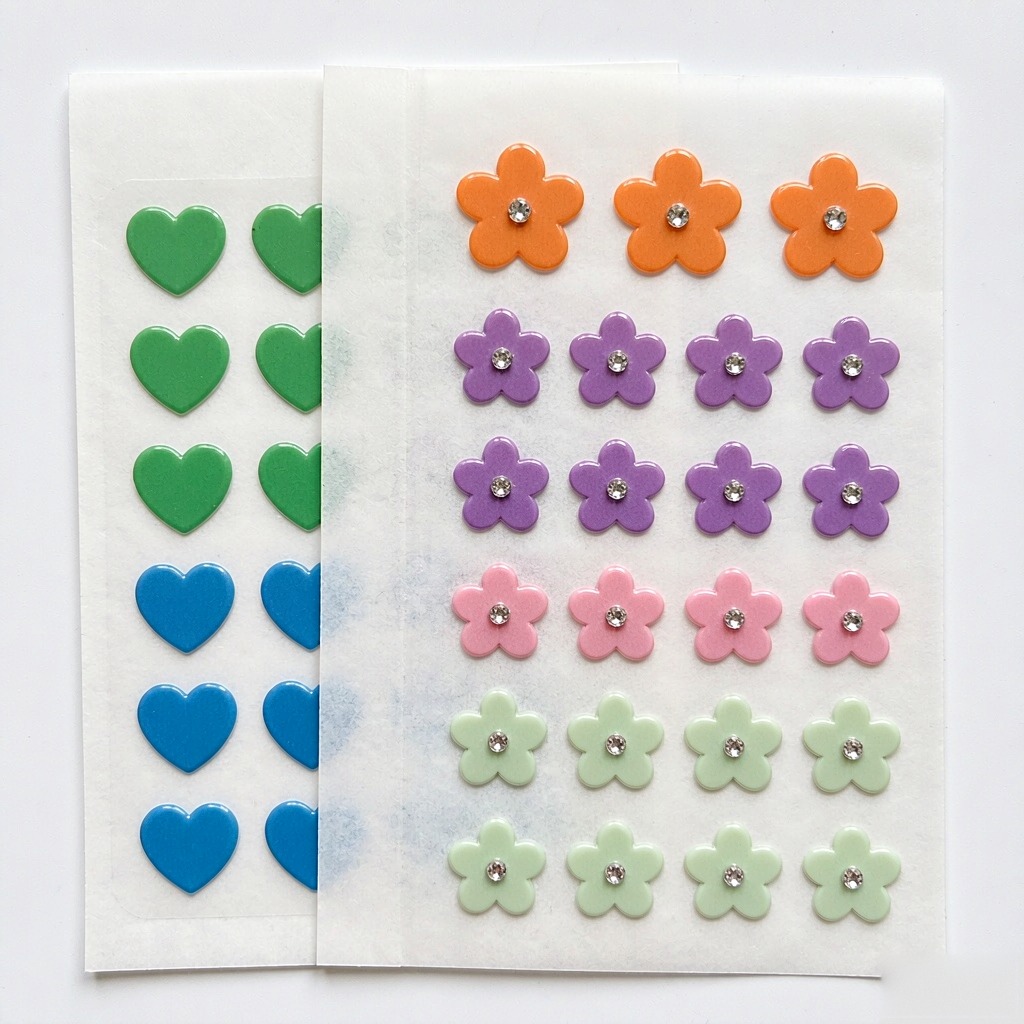
What a hydrocolloid patch can do
A hydrocolloid patch can absorb fluid from an appropriate blemish and cover the area, which may also help you avoid touching it. It has less to absorb from a deep, closed bump with no surface fluid. If a plain patch seems to do little on that kind of spot, changing the order of your skincare is unlikely to be the answer.
Do not squeeze or open a pimple just to use a patch. If the skin is already broken, check the instructions for the product you own. Different patches have different restrictions for broken or irritated skin.
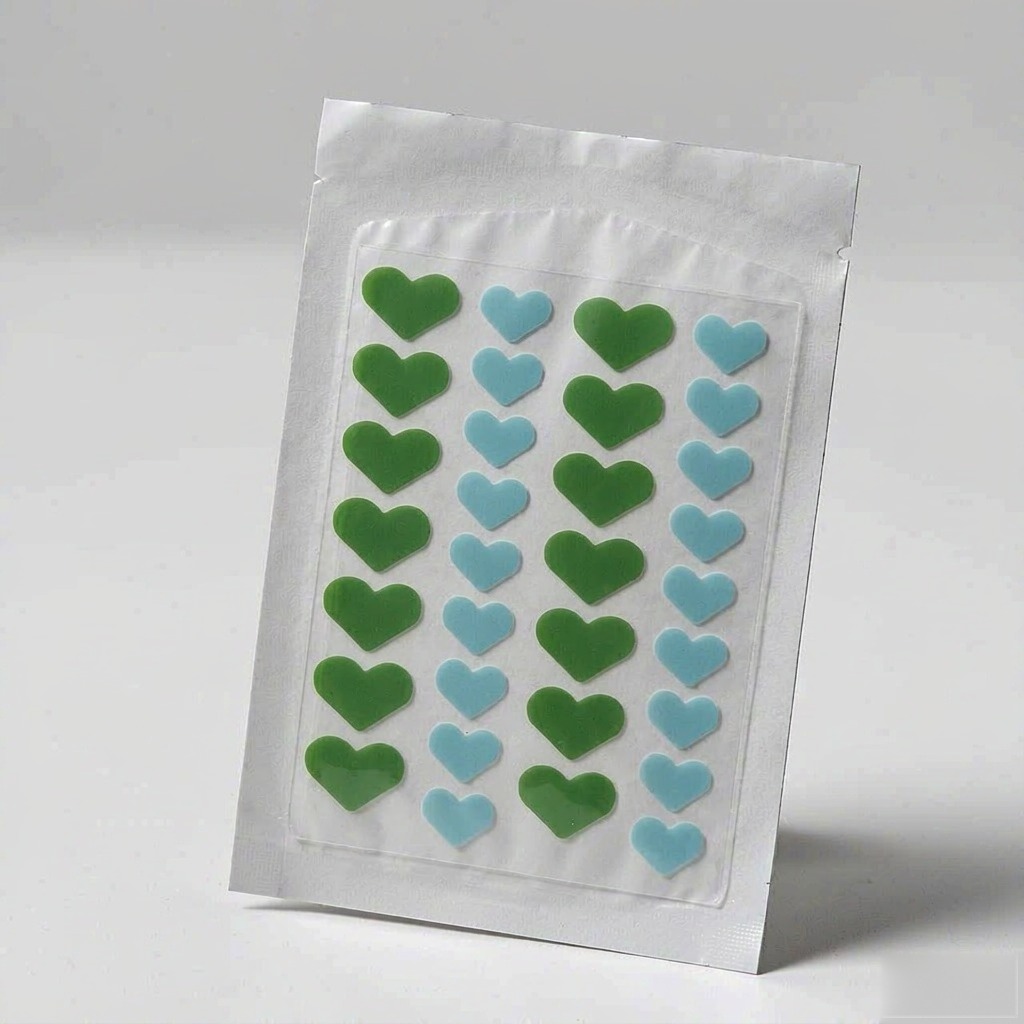
How microdart acne patches differ
Microdart acne patches, also called acne microneedle patches, have a different design from plain hydrocolloid patches. Some are intended for blemishes that are still forming beneath the skin, and their ingredients and application methods vary. Use the product’s stated indication, placement method, and wear time rather than treating every microdart patch as interchangeable.
A deep, painful bump is not automatically a good candidate for a patch. If these lesions recur or worsen, a dermatologist can assess the acne and advise on treatment beyond individual spots.
Check active ingredients before combining products
Some patches contain ingredients such as salicylic acid or tea tree oil. If you already use a spot treatment, check both labels before applying the products to the same area. Combining ingredients under a covering may irritate sensitive skin, and a cream beneath the adhesive can also affect how well the patch stays in place.
Follow your clinician’s directions for prescribed acne medication. A patch should not lead you to change when or how you use that treatment without appropriate advice.
What changes between a morning and evening routine?
The preparation does not change: cleanse, dry the spot, and secure the patch on the area reserved for it. The differences come after application.
In the morning: plan for sunscreen and makeup
Apply the patch before sunscreen reaches that spot, then use sunscreen on skin exposed around it. A patch should not be treated as a substitute for sun protection. When you reapply sunscreen, work carefully around the adhesive. If you remove the patch while you are out, remember that the skin beneath it is exposed again.
If the patch’s directions allow makeup over it, dab makeup on gently. A smooth makeup finish starts with a patch that already adheres well; concealer will not fix an edge that is lifting.
At night: follow the product’s wear time
Evening use may let a patch remain undistorted, but “leave it on overnight” is not a rule for every product. Follow its stated wear time and replacement directions. Keeping a patch on longer than directed is not a reliable way to make a deep blemish respond.
If you use a nighttime retinoid, benzoyl peroxide, or another acne treatment, follow that product’s directions. Keep the patch decision specific to the spot rather than assuming that a treatment and patch should always be layered together.
Troubleshooting: when the patch does not stay put
If a patch lifts soon after application, check the surface beneath its adhesive. The spot may have been damp, or a layer of serum, moisturizer, oil, or sunscreen may still be present. Product rubbed against an edge later in your routine can loosen it too.
Check that the patch covers the blemish without needing to be stretched across the skin. If it has come loose, follow the product’s instructions for removal and replacement. Repeatedly pressing a lifted patch onto product-coated skin is unlikely to restore a clean seal.
When a patch is not the right next step
A patch is a targeted tool for an individual spot. It does not prevent future acne or replace care for frequent breakouts. Deep, painful, widespread, or worsening acne needs a broader assessment rather than repeated experiments with different patches.
Remove the patch if you notice significant stinging, itching, or irritation. Consider both the adhesive and any added ingredients when assessing what may have caused the reaction. Seek professional advice if a spot appears infected, becomes increasingly painful, or repeatedly returns.
Frequently asked questions
Do you put pimple patches on before or after skincare?
After cleansing and drying the spot, but before applying skincare to the area the patch will cover. You can continue your routine on the surrounding skin. Follow the specific patch’s instructions for application and wear time.
Are pimple patches good for cystic acne?
A plain hydrocolloid patch is unlikely to do much for a deep, closed bump because there may be little or no surface fluid to absorb. Some microdart patches are intended for early under-the-skin blemishes, but suitability depends on the product and the lesion. Deep, painful, or recurring acne is better assessed by a dermatologist.
Does a white hydrocolloid patch need to be replaced immediately?
A white appearance can indicate that the patch has absorbed fluid, but it is not a universal replacement timer. Follow the wear time on the package. After removal, look at the condition of your skin before deciding whether another patch is suitable.
Can I put a patch on a spot that is already irritated?
Check the directions for your particular patch; products differ in their restrictions for broken or irritated skin. If the adhesive or an ingredient causes stinging, itching, or worsening irritation, remove the patch and avoid reapplying it to that area until you know what caused the reaction.
Should I use two patches on the same spot?
Stacking patches is unlikely to improve contact between the first patch and the skin. Use one patch as directed. If it needs replacing, remove it gently and assess the spot before applying a fresh one.