Mouth Tape for Beards: How to Choose Better Fit, Hold, and Removal
Date:2026-09-15
Read:91
source: Zoey
Quick Answer
Mouth tape for beards works best when its adhesive sections reach clean, exposed skin instead of resting mainly on facial hair. Light stubble may only require flexible edges and dependable hold, while a mustache or fuller beard often needs a vertical, H-shaped or contour design that places more adhesive beside the lips. The strongest tape is not automatically the best choice: shape, direct skin contact and controlled removal matter more than maximum stickiness.
Having facial hair changes how mouth tape fits because beard hair interrupts contact between the adhesive and the skin. A wide strip may appear secure when first applied but still loosen overnight if most of its surface sits on a mustache or beard. Increasing adhesive strength cannot fully correct an unsuitable shape and may make morning removal more uncomfortable.
The practical decision is therefore not simply whether a product is labelled “beard friendly.” Users need to compare their facial-hair pattern with the tape’s adhesive path, then choose enough hold to maintain that fit without creating unnecessary pulling during removal.
Why Mouth Tape Fits Differently Over Facial Hair
Adhesive mouth tape relies on stable contact with the skin around the lips. Beard hair creates an uneven layer between these surfaces, causing the adhesive to attach to individual hairs, reach only small areas of skin or bridge over the beard completely. The result may be early edge lifting, inconsistent positioning or a strip that feels secure initially but loosens as the face moves against the pillow.
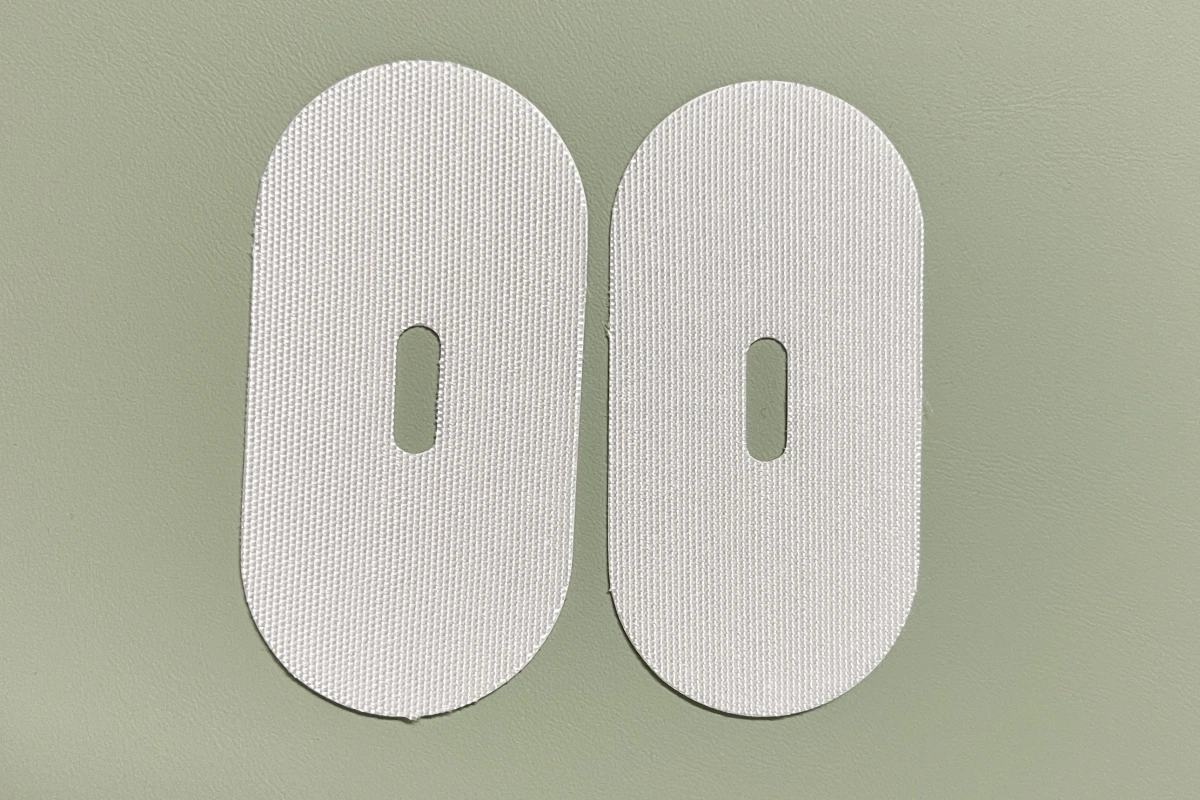
This also explains why stronger adhesive does not always produce better performance. If the adhesive mainly grips facial hair, additional strength may increase pulling during removal without creating a more reliable skin bond. Shape, flexibility and usable skin contact therefore need to be assessed before adhesive strength.
Different facial-hair patterns create different fitting conditions. Short stubble produces a rough surface across the adhesive path, a mustache covers the area directly above the lips, and a fuller beard may limit contact both below and beside the mouth. A useful beard-friendly mouth tape should account for these differences instead of treating every type of facial hair as the same use case.
Learn more about how mouth tape works before choosing a shape for facial hair.
Which Mouth Tape Design Fits Your Facial Hair?
The most appropriate design depends on where bare skin remains available around the mouth. Terms such as “extra strong” and “beard friendly” do not provide enough information unless the product also shows where its adhesive sections are intended to sit.
| Facial-hair profile | Main fitting problem | More suitable design direction | Main concern |
|---|---|---|---|
| Light stubble | Rough texture reduces uniform contact | Flexible tape with stable edges and balanced hold | Rigid edges may lift during movement |
| Dense stubble | Adhesive catches hair before reaching skin | A shape that extends toward clearer skin | Stronger adhesive alone may not improve fit |
| Mustache without a full beard | Limited skin immediately above the lips | Vertical, H-shaped or contour designs | Wide horizontal tape may sit mainly on hair |
| Short beard and mustache | Hair crosses the upper and lower contact paths | Designs that distribute adhesion toward the sides | Small central patches may have too little skin contact |
| Full beard | Very little exposed skin around the mouth | Lip-focused or perimeter designs using available side contact | Conventional full-coverage strips may not hold consistently |
| Patchy or shaped beard | Contact zones vary across the face | Flexible designs aligned with exposed skin | Generic placement instructions may not match the user |
This matrix provides a selection direction rather than a guarantee. Two users with similar beard lengths may have different growth patterns around the corners of the mouth. The tape will only fit reliably if its functional adhesive zones correspond with the exposed skin on the individual face.
Shape and Skin Contact Matter More Than Tape Width
A larger strip does not necessarily create a better hold. Additional material placed over facial hair increases total coverage but may contribute little useful adhesion. The more relevant measurement is how much of the adhesive surface can make stable contact with clean, dry skin.
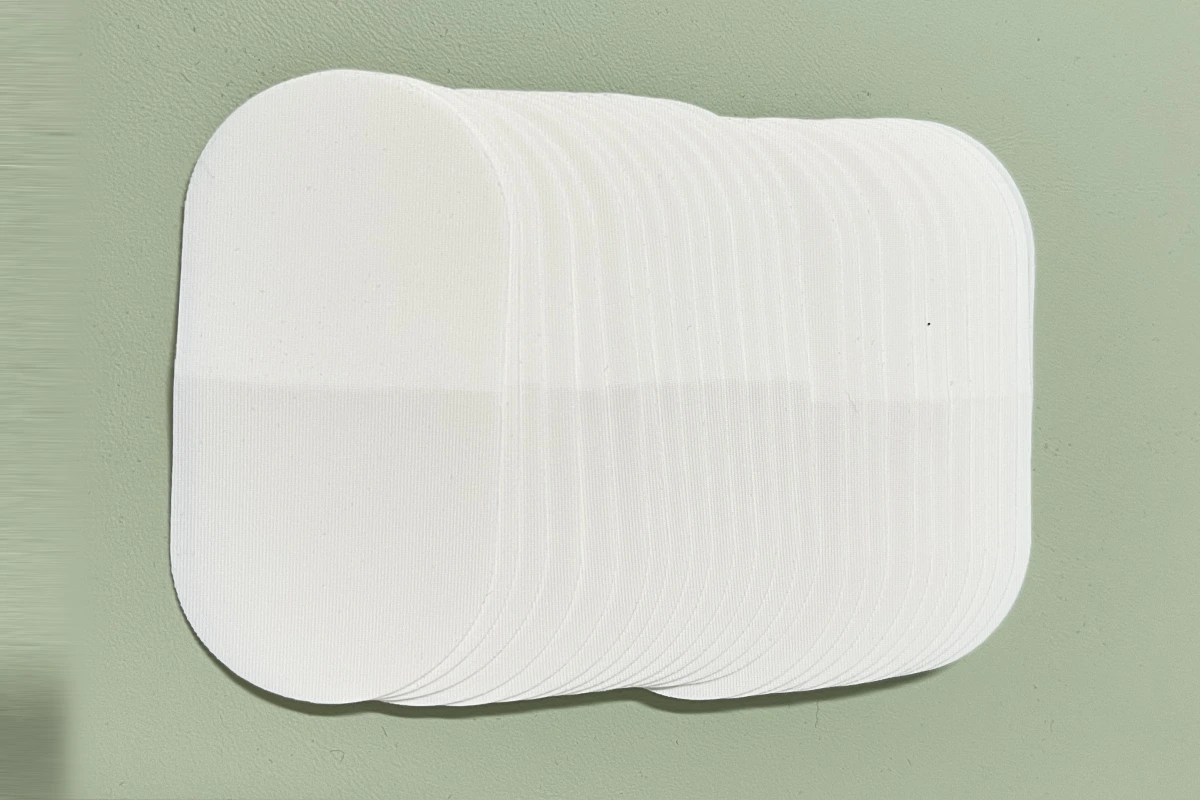
Horizontal and Full-Coverage Mouth Tape
A conventional horizontal strip may work for light stubble or for users whose mustache leaves sufficient skin exposed above and below the lips. Its broad format distributes hold across a relatively large area and can be simple to position.
Performance becomes less predictable when a dense mustache or beard occupies most of the intended adhesive path. Increasing the width may cause the strip to cover more hair without creating more direct skin contact. Users should therefore compare the adhesive footprint with their beard line rather than relying only on the overall dimensions of the strip.
Vertical, H-Shaped and Contour Designs
A vertical strip uses a narrower path through the centre of the lips, while H-shaped and contour designs place adhesive sections above, below or beside the mouth. These formats may provide a better option for mouth tape with a beard because they can reach exposed skin without depending entirely on the hair-covered area above the upper lip.
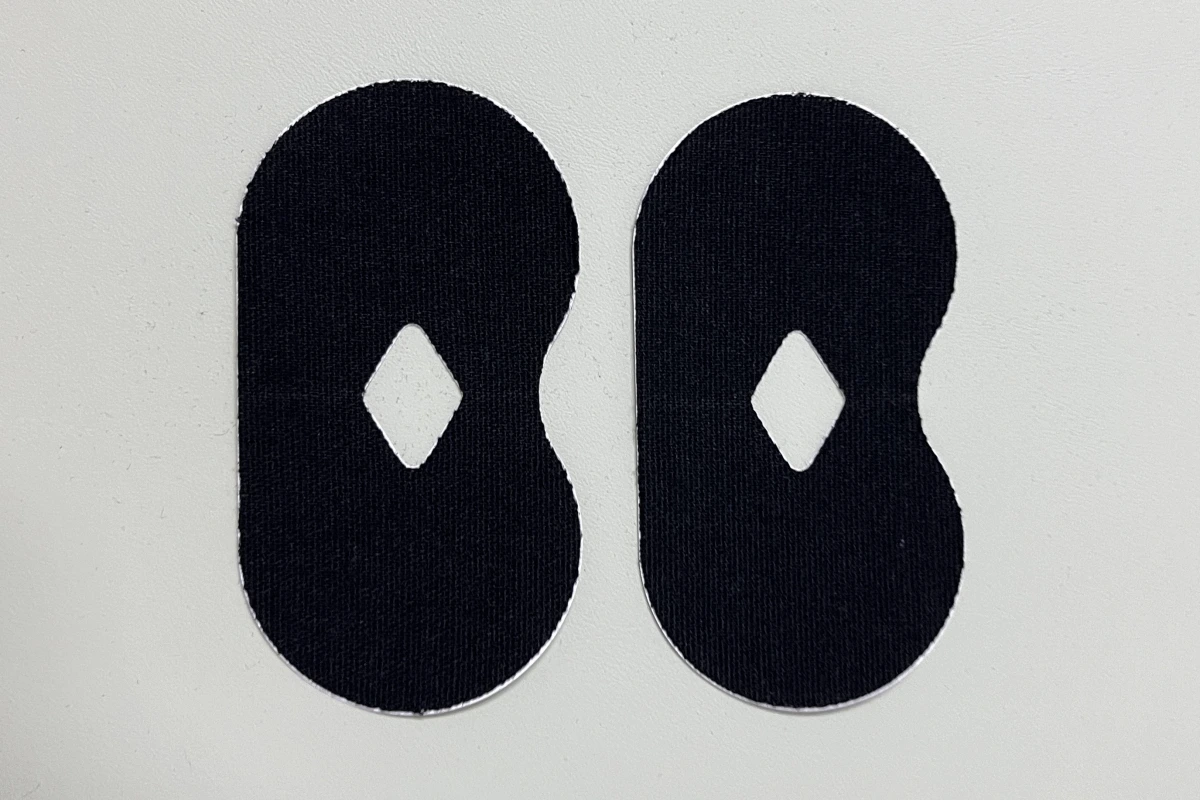
The dimensions still matter. An H-shaped mouth tape whose side tabs end within the beard line may provide little advantage over a conventional strip. A product page should show its size, adhesive zones and intended placement clearly enough for users to judge whether those zones will reach their skin.
Lip-Seal and Perimeter Designs
A lip-seal design concentrates its function closer to the lips, while a perimeter design uses the available skin around the mouth. Both approaches can reduce the amount of adhesive positioned directly over facial hair and may suit users whose mustache or beard prevents a wide strip from lying flat.
These shapes are not automatically suitable for every full beard. If the mustache connects closely with the beard at the corners of the mouth, even a perimeter design may have limited access to bare skin. Buyers should examine where the adhesive lands rather than selecting a product from its shape name alone.
How Much Adhesion Does a Bearded User Need?
Bearded users often begin by looking for stronger adhesion because ordinary mouth tape is more likely to loosen over facial hair. More dependable hold can be useful, particularly for dense stubble, oily skin, frequent nighttime movement or repeated edge lifting. However, strong hold should be treated as one part of the fit rather than the primary goal.
A high-adhesion mouth tape is more likely to help when most of its functional surface already reaches the skin. It becomes a poor tradeoff when the tape mainly grips beard hair, leaves persistent redness or requires forceful removal. In those cases, changing the shape or adhesive placement is more useful than simply increasing strength.
The target is enough hold to maintain a comfortable position through the intended wear period. Product information should therefore explain the design, intended adhesive level, dimensions, contact zones and suitability for different facial-hair conditions. Claims about specific glue composition, hypoallergenic performance, skin sensitivity or pain-free removal should only be made when supported by evidence for that product.
If you are still comparing formats, our overview of mouth tape designs explains how each shape is positioned on the face.
How to Apply Mouth Tape with a Beard or Stubble
Correct application cannot make an unsuitable shape fit, but it can help a compatible product maintain more consistent contact. Start by cleaning the area around the mouth and drying it completely. Skin oil, sweat, moisturiser and beard balm can weaken adhesion, particularly when facial hair has already reduced the available contact area.
Before removing the backing, hold the tape against the mouth and identify where each adhesive section will land. The objective is to place as much of the functional adhesive area as possible on exposed skin without stretching the tape or forcing it across dense hair. If the design cannot reach stable skin above, below or beside the lips, switching to another shape is preferable to pressing harder.
Apply the tape without stretching either the skin or the material. Smooth it gently from the central placement area toward the edges and check the position while fully awake. Nasal breathing should feel clear and comfortable before sleep. If breathing feels restricted, the placement causes anxiety or the tape must forcefully seal the mouth to stay in position, remove it.
Trimming facial hair is a personal choice rather than a universal requirement. A small adjustment immediately beside the lips may improve contact for some users, but someone should not need to substantially change a full beard simply to make an unsuitable tape design work.
How to Remove Mouth Tape Without Pulling Beard Hair
Removal is part of product fit, not an afterthought. A tape may remain secure throughout the night and still provide a poor experience if it pulls facial hair or leaves the skin irritated in the morning.
Begin by loosening one edge and peeling the tape back slowly while keeping it close to the surface of the skin. Pulling the strip directly outward increases tension on both the skin and beard hair. Whenever the shape allows, follow the direction of hair growth and use the other hand to support the nearby skin.
If the manufacturer permits it, warm water or another recommended removal method may help loosen the adhesive. Oils and adhesive removers should not be added unless they are compatible with the product instructions and intended for use around the mouth.
Repeated hair pulling, persistent redness, skin damage or adhesive residue suggests that the product’s shape, adhesion level or removal method needs to change. Increasing tolerance to an uncomfortable product does not correct a mismatch between its adhesive path and the user’s beard.
When Mouth Tape Should Not Be Used
The question of whether mouth tape fits over a beard should only be considered after comfortable nasal breathing has been established. Mouth taping is not a treatment for nasal obstruction, sleep apnea or unexplained nighttime breathing problems.
A 2025 systematic review covering 10 studies and 213 participants found limited evidence supporting mouth taping and identified potential risks when it is used indiscriminately, particularly when nasal obstruction is present. Many of the reviewed studies excluded people with nasal obstruction or related pathology. (PubMed)
Do not use mouth tape when nasal breathing is blocked or uncomfortable. Breathing pauses, gasping, choking during sleep, loud persistent snoring, morning headaches or significant daytime sleepiness require professional evaluation rather than stronger tape. Mouth tape should not be presented as a substitute for clinically established sleep-apnea assessment or treatment.
Snoring can also start in the nose rather than the mouth; see our comparison of nose vs mouth snoring.
How to Compare Beard-Friendly Mouth Tape Before Buying
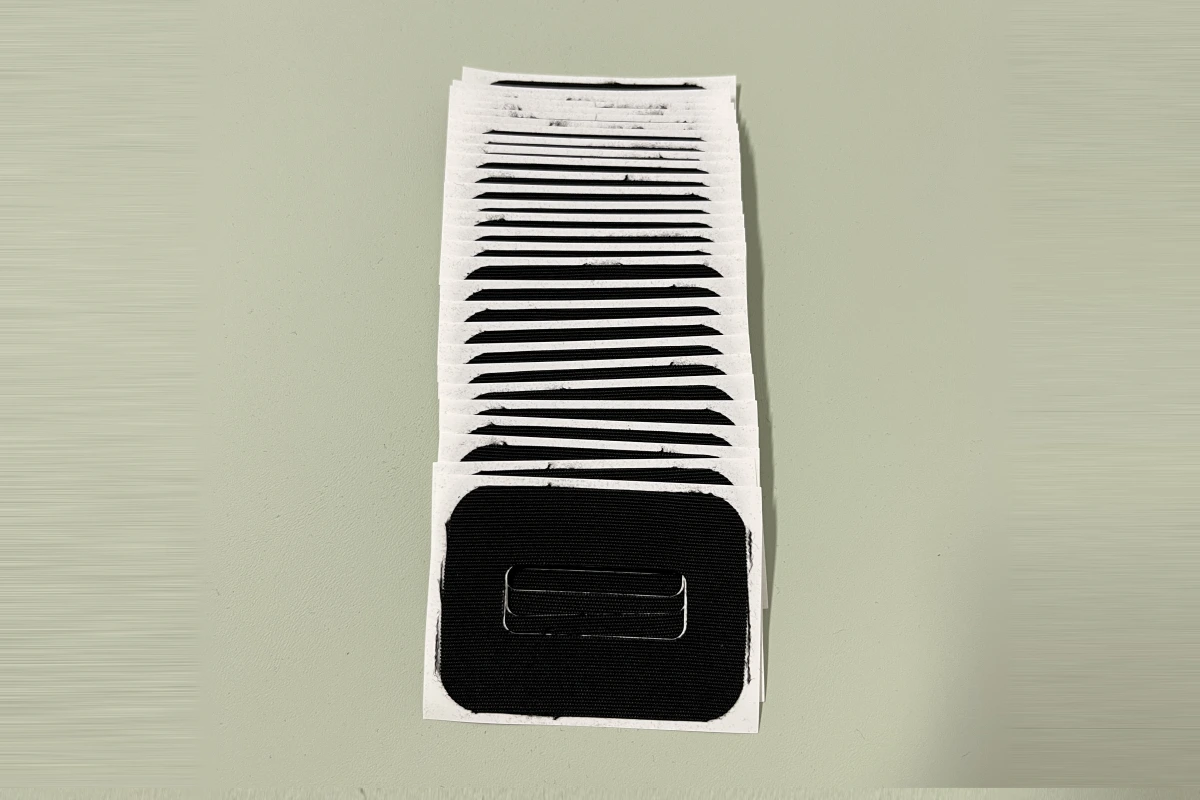
The term “beard friendly” should be supported by visible design information. A useful product page should show how the tape fits around a mustache or beard, identify its adhesive zones and explain which facial-hair patterns the shape is intended to accommodate.
| Decision question | What the product information should explain |
|---|---|
| Where does the tape adhere? | Whether the main contact zones sit above, below or beside the lips |
| Which facial-hair profiles can it fit? | Whether it is intended for stubble, mustaches, short beards or fuller facial hair |
| How does the design maintain hold? | How shape, contact area, flexibility and adhesion work together |
| How should the tape be removed? | Recommended peeling direction, speed and approved removal methods |
| What evidence supports its claims? | The basis for adhesive, material, skin or wear-performance statements |
If a seller only states that the product uses extra-strong adhesive, important fitting information is still missing. For bearded users, adhesive geometry and usable skin contact are part of the product’s performance rather than secondary design details.
Developing Mouth Tape for Beard and Stubble Users
For sleep and healthcare brands, developing mouth tape for stubble, mustaches or fuller beards requires more than increasing adhesive strength. Shape development, adhesive positioning, edge stability, material flexibility and removal experience should be evaluated together.
Prototype testing should include different facial-hair patterns instead of relying on a single generic beard profile. A design that performs well over short stubble may not provide enough side contact for a dense mustache, while a wide design suited to clean skin may attach primarily to hair on a full beard.
Athena supports custom mouth tape development for brands evaluating different shapes, adhesive positioning and packaging requirements. Sampling allows buyers to compare how design choices affect contact area, hold and removal before committing to a final product configuration.
Develop Mouth Tape That Fits Real User Needs
Explore Athena’s custom mouth tape solutions and request samples to compare shape, adhesive positioning, hold and removal for users with stubble, mustaches and fuller beards.
FAQ
Does mouth tape work if you have a beard?
Mouth tape for beards can work when its adhesive zones reach enough bare skin to maintain a stable position. Performance depends on beard density, mustache coverage, tape shape and skin preparation. A product that sits mainly on facial hair may loosen even when it uses relatively strong adhesive.
What type of mouth tape is best for stubble?
The right mouth tape for stubble usually combines flexible material, stable edges and enough adhesion for the available skin contact. Light stubble may work with a conventional shape, while dense stubble may require a design that extends beyond the heaviest hair growth.
Is H-shaped mouth tape always better for beards?
No. H-shaped mouth tape can place adhesive beside or around facial hair, but it only works when the tabs reach exposed skin. Users should compare the actual dimensions and adhesive zones with their beard pattern rather than choosing based only on the H-shaped label.
Can mouth tape be applied over a mustache?
A conventional strip can be placed over a mustache, but contact with hair may reduce hold and make removal uncomfortable. Mouth tape for mustache users is generally easier to fit when a vertical, contour or perimeter shape can reach exposed skin beside the lips.
Should beard users choose the strongest mouth tape?
Not automatically. Stronger adhesive may help when a suitable shape already has good skin contact, but it cannot correct poor placement. Excessive adhesion may also increase pulling during removal. The better option balances shape, contact area, overnight hold and removal comfort.
How do you remove mouth tape without pulling beard hair?
Loosen one edge and peel the tape back slowly, close to the skin and in the direction of hair growth. Support the skin with the other hand. Stop using the product if removal repeatedly causes strong pulling, persistent redness or skin damage.
Sections
25 June 2026
Nose strips and nasal dilators are both non-drug products used to support nasal airflow, but they work in different ways. Nose strips are usually external adhesive strips placed across the outside of the nose, while nasal dilators are often small devices placed inside the nostrils. The better choice depends on your breathing need, comfort preference, skin sensitivity, use frequency, and whether the problem is temporary or ongoing.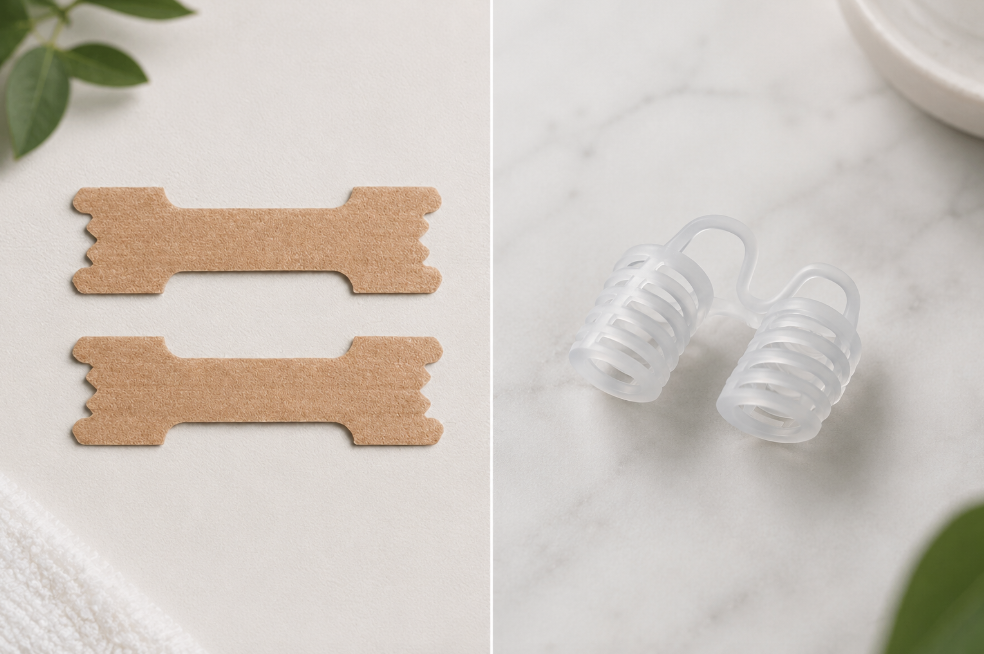 Read More
27 May 2026
Clear nose strips are becoming popular with runners because they offer a more discreet way to add breathing comfort to daily training. Not every runner wants a bold strip in race photos, running club sessions, gym mirrors, or social media videos. A transparent or low-visibility design can feel more natural for everyday use while still giving runners a simple external option for nasal airflow support. Read More