Is Your Snoring Coming From Your Nose or Your Mouth?
Date:2026-08-12
Read:143
source: Athena
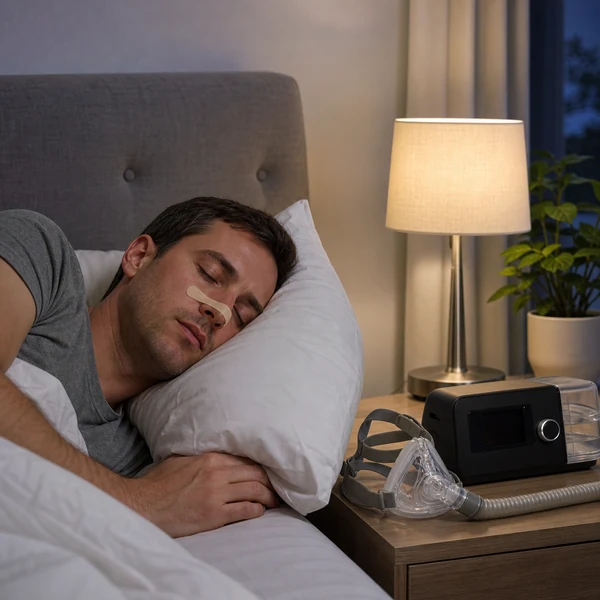
Snoring is not a single sound from a single place. It can begin when airflow meets resistance in the nose, but it can also involve the soft palate, tongue, mouth or throat. That distinction matters: a product that supports the outside of the nose may be useful when nasal resistance contributes to the noise, yet it cannot correct every cause of snoring.
Four Clues Worth Tracking
- Whether snoring becomes worse when the nose feels blocked.
- Whether the mouth is open or closed when the sound begins.
- Whether sleep position changes the volume or character of the noise.
- Whether gentle nasal support changes breathing comfort without masking warning signs.
None of these observations proves the source on its own. Their value comes from the pattern they create across several nights.
Is Snoring Coming From the Nose or the Mouth?
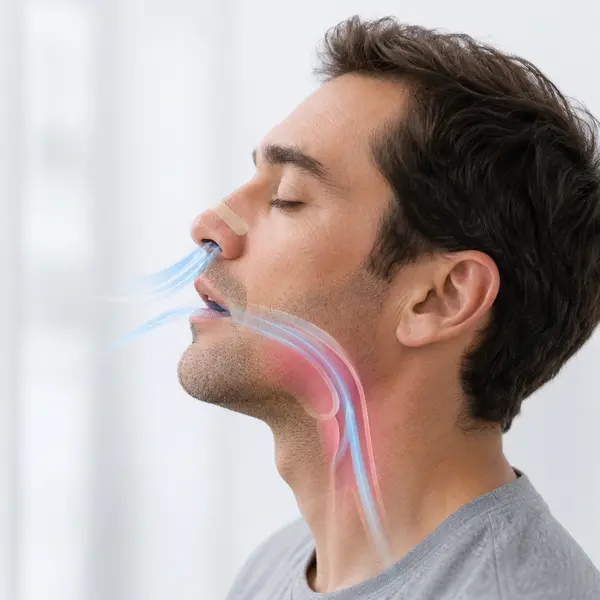
It may come from the nose, mouth, throat or a combination of these areas. The NHS explains that snoring occurs when tissues in the tongue, mouth, throat or nasal airways vibrate as a person breathes during sleep. This is why “nose snoring versus mouth snoring” is a useful starting question, but not a complete diagnosis.
Nasal resistance can make inhalation noisier and may encourage mouth breathing. At the same time, the soft palate and tongue can vibrate even when the lips remain closed. A person may therefore have a blocked nose and throat-related snoring together. The practical goal is to identify patterns: when the sound appears, what makes it worse, and whether improving nasal airflow changes it.
What Are the Clues That Suggest Nose Snoring?
Nose snoring is more likely when snoring follows nasal blockage and changes as nasal breathing becomes easier or harder. No single sign proves the cause, but several clues together can make nasal involvement more plausible.
Snoring changes with congestion
Noise that appears mainly during a cold, allergy flare, dry-air exposure or a night of noticeable stuffiness points toward nasal resistance as one contributor. This does not mean the nose is the only source. Swelling and mucus can narrow the nasal passage, increase breathing effort and change how air moves through the upper airway.
One or both nostrils feel restricted
A feeling of narrowness near the nostril entrance, especially during inhalation, may indicate that the nasal valve area is involved. External nasal dilators are designed to support this front region. Published reviews describe measurable improvements in nasal dimensions or resistance in some users, but the response varies with anatomy and the location of the obstruction.
The sound improves when the nose is supported
If a correctly placed external nasal strip makes nasal breathing feel easier and the bed partner notices less noise, that is a useful clue—not clinical proof—that nasal resistance contributes. A randomized trial in people with chronic rhinitis found reduced snoring with external nasal dilation, but that finding should not be generalized to every snorer or every product.
What Are the Clues That Suggest Mouth or Throat Snoring?
Mouth or throat involvement is more likely when the noise continues despite a clear-feeling nose, varies with sleep position, or is accompanied by open-mouth breathing and dry mouth. The soft palate, tongue base and throat can narrow or vibrate during sleep.
Morning dry mouth, drooling and an open jaw may suggest mouth breathing, but these are not definitive. People often open their mouths because the nose is blocked; in other cases, jaw position and relaxed throat tissues are more important. Snoring that becomes louder on the back and quieter on the side also suggests that gravity and throat anatomy may play a role.
Alcohol close to bedtime can relax upper-airway tissues, and smoking can irritate the airway. Body weight, age and individual anatomy also influence snoring. These factors do not fit neatly into a “nose or mouth” label, which is why a combined cause is common.
Can You Snore With Your Mouth Closed?
Yes. Closing the lips does not stop the soft palate, tongue or throat tissues from vibrating, and nasal airflow itself can be noisy. This is an important reason not to use mouth position as the only test.
It also explains why taping the mouth is not a safe diagnostic shortcut. If the nose is obstructed, forcing the lips closed does not remove that obstruction. Athena’s beginner’s guide to mouth tape for sleeping discusses the limited evidence and the need to address unexplained snoring or blocked nasal breathing first.
A Practical Way to Check the Pattern at Home
Use several nights of observation rather than relying on one sound or one quick test. The following process can organize clues without pretending to diagnose the cause.
- Note whether the nose feels clear, mildly stuffy or strongly blocked before sleep.
- Ask a partner to note mouth position, sleep position, gasping, pauses and whether the sound seems nasal or deeper.
- Compare ordinary nights with allergy, cold or dry-air nights.
- If appropriate for your skin, try a correctly fitted external strip on a separate night and observe comfort and any change.
- Stop self-testing and seek medical advice when warning signs are present.
Phone recordings may help show timing, but sound alone cannot identify obstructive sleep apnea. Wearable sleep scores also vary in accuracy and should not replace assessment when symptoms are concerning.
When May Nasal Strips Help With Snoring?
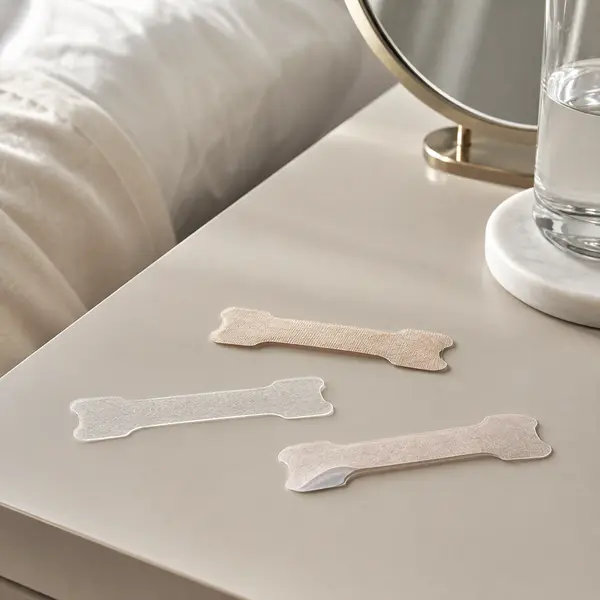
Nasal strips may help when airflow restriction is mild and located near the front of the nose. Flexible spring elements attempt to return to their original shape after application, gently lifting the nasal sidewalls. This mechanical action is different from reducing inflammation or mucus.
Fit matters. A strip that is too narrow may not reach the sidewalls effectively, while an oversized strip can wrinkle, lift at the edges or pull uncomfortable areas of skin. Adhesive needs to hold on clean, dry skin through normal movement without being unnecessarily aggressive during removal. See Athena’s practical nasal strip application guide for placement and removal details.
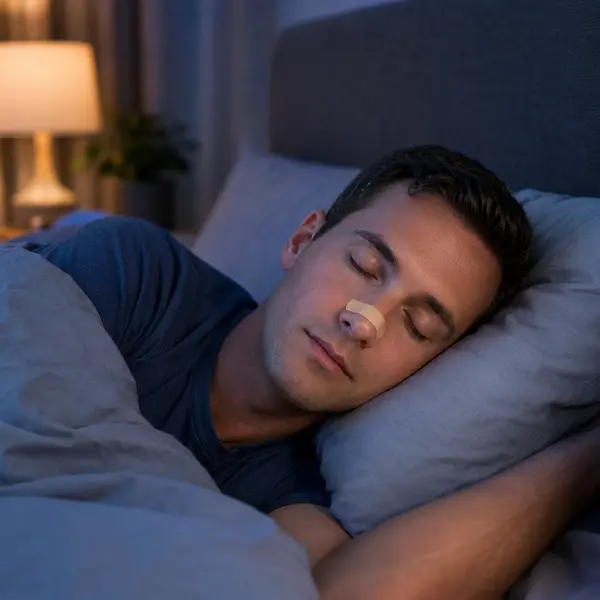
For sleep-focused programs, backing softness, overnight adhesion, spring force, nose-shape coverage and skin compatibility need to be considered together rather than treating “strongest adhesion” as the only quality measure. Athena’s nasal strip product options show how shape, material and adhesion can be matched to a defined use case.
When a Nasal Strip Is Unlikely to Be Enough
A nasal strip is unlikely to solve snoring driven mainly by throat narrowing, tongue position, severe internal blockage or sleep apnea. It is an external support product, not a treatment for obstructive sleep apnea.
The NHS advises medical evaluation when sleep involves breathing that stops and starts, gasping or choking, repeated waking, loud snoring and persistent daytime tiredness. Morning headaches and difficulty concentrating can also matter. These signs deserve proper assessment even if a strip seems to make the nose feel more open.
Long-lasting one-sided blockage, frequent nosebleeds, facial pain or symptoms that repeatedly return should also be discussed with a healthcare professional. The aim is to identify the underlying cause rather than repeatedly covering one symptom.
What Product Details Matter for Sleep Use?
The best sleep strip balances lift, secure wear and gentle removal. Material softness affects how well the backing conforms to curved skin. Spring geometry affects where lift is delivered. Adhesive coat weight and pattern influence resistance to oil and humidity as well as removal comfort.
From a product-development perspective, these variables should be matched to intended wear time, skin type, nose shapes and climate. Athena supports shape, material, color, adhesion and packaging development for nasal-strip programs, but product requirements should be defined from the target user and application rather than copied from a generic format.
Questions People Ask About the Source of Snoring
Does nasal snoring always mean the nose is blocked?
No. Nasal airflow can contribute to the sound without a person feeling completely blocked, and snoring may involve multiple upper-airway structures at once.
Can nasal strips stop mouth snoring?
Not directly. They support the external nasal sidewalls. They may reduce the need to mouth-breathe when nasal resistance is part of the problem, but they do not stabilize the jaw, tongue or throat.
How many nights should I test a nasal strip?
A few separate nights can show whether the experience is consistent, provided the skin tolerates the adhesive. Stop if irritation occurs, and do not delay medical evaluation when warning signs are present.
Is loud snoring automatically sleep apnea?
No, but loud snoring combined with witnessed breathing pauses, gasping or daytime sleepiness should be assessed by a healthcare professional.
Treat the Pattern, Not Just the Sound
“Nose snoring” and “mouth snoring” are practical descriptions, not medical diagnoses. The more useful conclusion comes from combining congestion, mouth position, sleep position and the response to improved nasal airflow. That pattern helps distinguish a reasonable trial of external nasal support from a situation that needs a broader airway assessment. If pauses, gasping or marked daytime tiredness appear, the priority is evaluation—not another anti-snoring accessory.