The Best Nasal Strips for Athletes in 2026
Date:2026-08-11
Read:248
source: Athena
The best nasal strips for athletes in 2026 are the ones that stay attached through sweat and movement, provide comfortable external nasal support, and match the sport’s duration and environment. They may make nasal breathing feel easier for some athletes, but current evidence does not show a reliable improvement in VO2max, heart rate or overall athletic performance.
In practice, an athlete should evaluate a strip in this order: retention after sweat, comfort during movement, fit around eyewear or equipment, skin condition after removal, and only then the subjective breathing experience. That order keeps the buying decision grounded in product performance rather than unsupported promises about aerobic capacity.
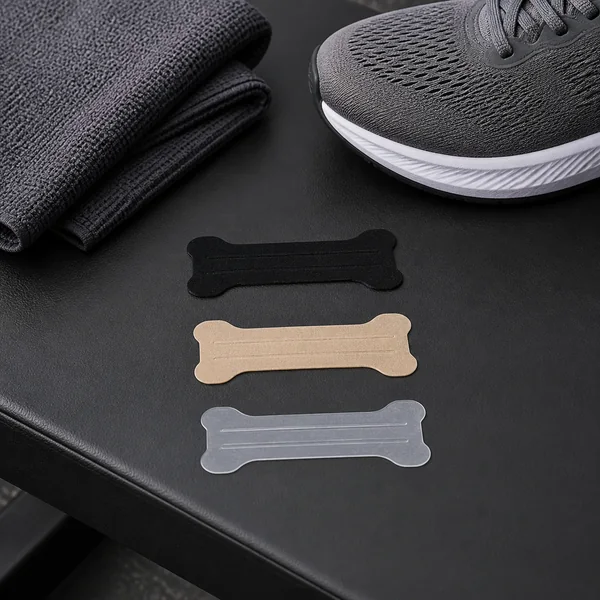
The 2026 Selection Standard: Stay On, Move Naturally, Remove Cleanly
For most athletes, the best option is a flexible external adhesive strip with strong edge hold, sweat-resistant adhesion and enough lateral support to reduce the feeling of nasal-valve restriction. Runners and cyclists usually benefit from a low-profile strip that remains comfortable for long sessions, while contact and field-sport athletes may prioritize stronger retention during rapid movement.
No single color, width or brand is best for every athlete. A product must match skin oil, sweat rate, nose shape, climate, session length and whether the user wants subtle support or a more noticeable lifting sensation. The correct comparison is therefore based on use conditions, not marketing intensity.
Do Sports Nasal Strips Improve Athletic Performance?
Sports nasal strips can mechanically widen the front of the nasal passage, but research does not show that this consistently produces better athletic performance. A systematic review and meta-analysis of external nasal dilator strips found no significant improvement in oxygen uptake, heart rate or perceived exertion during exercise. A later running-focused systematic review and meta-analysis reached a similarly cautious conclusion for performance-related physiological outcomes.
That does not mean every athlete feels nothing. A person with narrow nasal valves, temporary congestion or visible sidewall collapse may experience easier-feeling nasal breathing. Perceived comfort can matter during training, but it should not be converted into unsupported promises of more oxygen, faster race times or improved endurance.
This evidence-aware distinction is increasingly relevant as professional and recreational athletes wear strips in public. Athena’s article on the running-culture context behind today’s strips covers visibility and adoption; this guide focuses on field evaluation and selection.
Four Failure Points to Test Before Race Day
The decisive features are retention under sweat, stable force transfer, conformability, edge design and skin response after removal. A strip that lifts strongly in a dry product demonstration but detaches after ten minutes of training is not a successful sports design.
Sweat-Resistant Adhesion
Sweat reaches the strip through the surrounding skin and can migrate toward its edges. Sebum, sunscreen and facial moisturizer further reduce bonding. A sports adhesive must establish reliable initial contact and retain enough peel resistance as moisture, heat and movement increase.
Maximum adhesion is not the only goal. After exercise, wet skin can be more vulnerable to aggressive removal. Product development needs a controlled balance between workout retention and post-session comfort.
Edge Stability During Movement
Edge lift often begins where a rigid strip meets a moving facial contour. Rounded ends, flexible backing and well-controlled die cutting can reduce snagging and stress concentration. The strip should move with expressions, helmet straps and eyewear without buckling.
Consistent Lifting Force
The embedded ribs or spring elements create outward support. Their stiffness, spacing and recovery force must remain consistent across batches. Too little support can be unnoticeable; too much can feel distracting or pull mainly on skin instead of stabilizing the nasal sidewall.
Fit Across Different Nose Shapes
Athletes have different bridge widths, sidewall angles and nostril flare. Multiple sizes or a geometry designed around a defined target population can produce more reliable placement than a nominal one-size product. The ends should reach the flexible sidewalls without covering the nostril openings.
Best Nasal Strips for Athletes by Sport and Environment
| Use case | Priority features | Practical choice | Main limitation |
|---|---|---|---|
| Road or trail running | Sweat resistance, flexible edges, low weight | Low-profile sports strip with strong edge hold | Sunscreen and heavy sweat can weaken adhesion |
| Cycling | Long-duration comfort, stability under eyewear and airflow | Flexible strip tested for multi-hour wear | Perceived airflow does not prove performance gain |
| Football and field sports | Dynamic retention and secure edges | Stronger adhesive after skin testing | Contact and wiping can dislodge the strip |
| Gym and interval training | Fast application, sweat hold, clean removal | Medium-to-strong one-piece strip | May be unnecessary if nasal resistance is not present |
| Cold-weather training | Conformability and adhesion on dry skin | Flexible backing applied before going outdoors | Condensation can affect edges |
Running Test: Heat, Pace and Edge Lift
The best nasal strips for running stay flat as skin warms and sweat accumulates. They should be applied to clean, fully dry skin before the warm-up, with enough time for the adhesive to establish contact. A lightweight flexible strip usually feels less distracting over longer distances than a rigid design.

Do not test an unfamiliar strip for the first time on race day. Use it during several routine runs in similar heat and humidity. Check whether the ends lift, whether sunglasses touch the strip, whether breathing feels different and whether removal causes irritation. Athena’s athletic breathing-support range illustrates why movement and perspiration require a different construction from overnight products.
Cycling Test: Duration, Sunscreen and Eyewear
Cyclists should prioritize long-duration comfort and stable adhesion under constant airflow, sweat, sunscreen and eyewear. A strip may feel secure during a short indoor test but behave differently after several hours outdoors. Flexible ends and a backing that conforms without sharp creases are especially valuable.
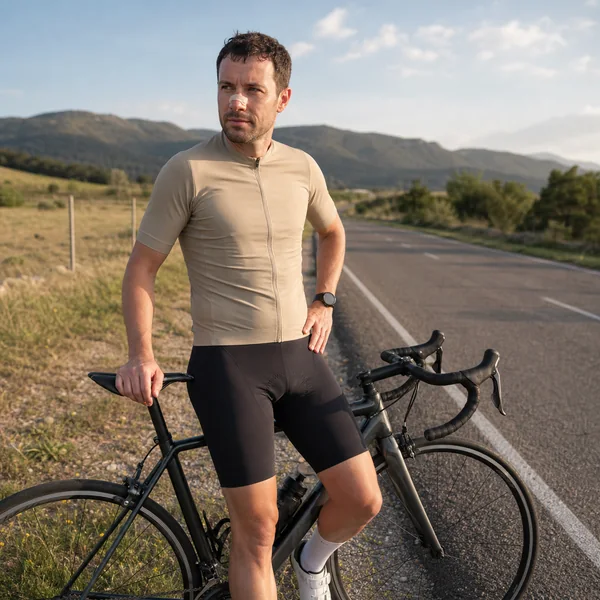
The professional-cycling trend has made colored strips visible, but appearance should remain secondary to fit and evidence. A strip can provide a clear sensation of nasal opening without changing the physiological ceiling of a trained athlete. Claims and product evaluation should preserve that distinction.
Field-Sport Test: Contact and Rapid Direction Changes
Extra-strength adhesion can be useful where repeated acceleration, facial movement and sweat make edge lift likely, but it is not automatically the best choice. Contact, wiping and equipment can still detach a strip, while overly aggressive adhesive may irritate skin during removal.
Field athletes should check sport and league rules, particularly if a product contains hard reusable components rather than a soft one-piece strip. A simple external adhesive strip is less complex, but safety and equipment rules always take priority.
Pre-Workout Application Protocol
Wash the nose to remove oil, skincare and sunscreen, then dry it completely. Apply the strip before heavy sweating begins. Center it across the lower bridge and press the ends firmly over the nasal sidewalls for several seconds. Avoid positioning it too high on the bony bridge.
When sunscreen is necessary, keep the strip’s bonding area clean and apply sunscreen around it after the strip is secure, following the product instructions. After training, loosen the strip slowly. If it resists, warm water can help reduce removal stress. Do not apply a new strip to irritated or damaged skin.
Separate Product Evidence From Athlete Visibility
Use a repeatable training test. Compare similar sessions with and without the strip while keeping route, intensity and environmental conditions as consistent as practical. Record perceived nasal openness, comfort, edge lift, wear time and skin response. Do not interpret a single faster workout as proof of a product effect.
Consumer reviews can reveal recurring problems such as peeling, residue or poor sizing, but they cannot establish physiological performance. Likewise, athlete visibility is useful evidence of a trend, not proof that the product improves endurance.
For a broader comparison, Athena’s sleep-versus-sport strip requirements provide useful context without substituting for a sport-specific field trial.
From Training Conditions to a Validation Protocol
A sports nasal strip should be evaluated in the environment where it will be worn. Useful development variables include initial tack, peel retention after sweat exposure, edge lift during repeated facial movement, rib recovery force, backing extensibility, fit tolerance, removal after perspiration and packaging stability.
Static dry-skin testing is not enough. Development protocols should include high humidity, artificial sebum or sunscreen exposure, movement cycles and different nose geometries. Visual appeal—including black, skin-tone, clear or custom colors—can support market positioning only after functional requirements are met.
Athena can help convert a defined sport, climate, session length and skin profile into a sampling and validation brief. Businesses developing an active-use line can review sports-focused nasal strip customization while keeping claims tied to measurable adhesion, fit and wear properties.
Practical Questions From Athletes
Do nasal strips help athletes breathe better?
They can make nasal breathing feel easier when front-of-nose resistance or sidewall collapse is relevant. That subjective benefit does not mean they reliably improve oxygen uptake or competitive performance.
Can you wear nasal strips during a marathon?
Yes, if the product is comfortable, permitted and has already been tested during long training runs. Race day should not be the first full-duration trial.
Are black sports nasal strips stronger than beige or clear strips?
Color does not determine strength. Adhesive chemistry, coat weight, backing, rib stiffness and geometry determine retention and lift.
Should athletes use a new strip for every workout?
Conventional adhesive strips are single-use products. Reusing one produces less predictable adhesion and hygiene.
A Practical 2026 Recommendation
The best nasal strips for athletes in 2026 are secure, flexible, accurately fitted and honest about what they can do. Choose by sport, sweat level, skin and session duration; test during training; and judge retention and comfort separately from performance claims. A well-designed strip may provide useful nasal support, but it should not be marketed as a guaranteed route to faster times or greater aerobic capacity.
Sections
23 April 2026
This article gives a direct, evidence-aware answer to the question is mouth tape safe. The short answer is that mouth tape is not universally safe, and it is not a blanket sleep solution. A narrow group of adults with reliable nasal breathing and no signs of sleep-disordered breathing may tolerate it, but many people should avoid it.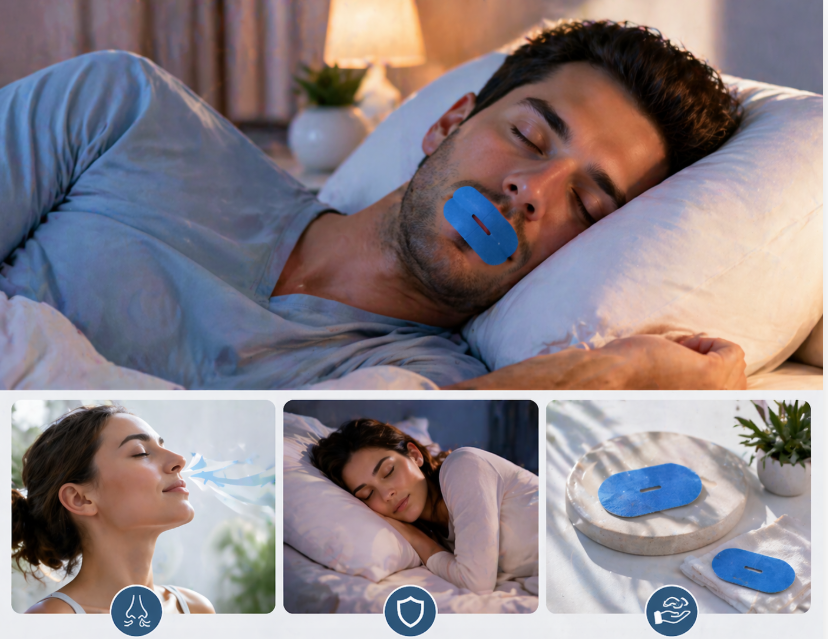 Read More
12 May 2026
Colored nasal strips are trending in cycling because they combine breathing comfort, sports identity, and visible race-day style. Once known mainly as sleep or snoring products, nasal strips are now appearing in cycling kits, training videos, endurance events, and social media content. Their return is not only about function; it is also about how a small strip on the nose can become part of an athlete’s look.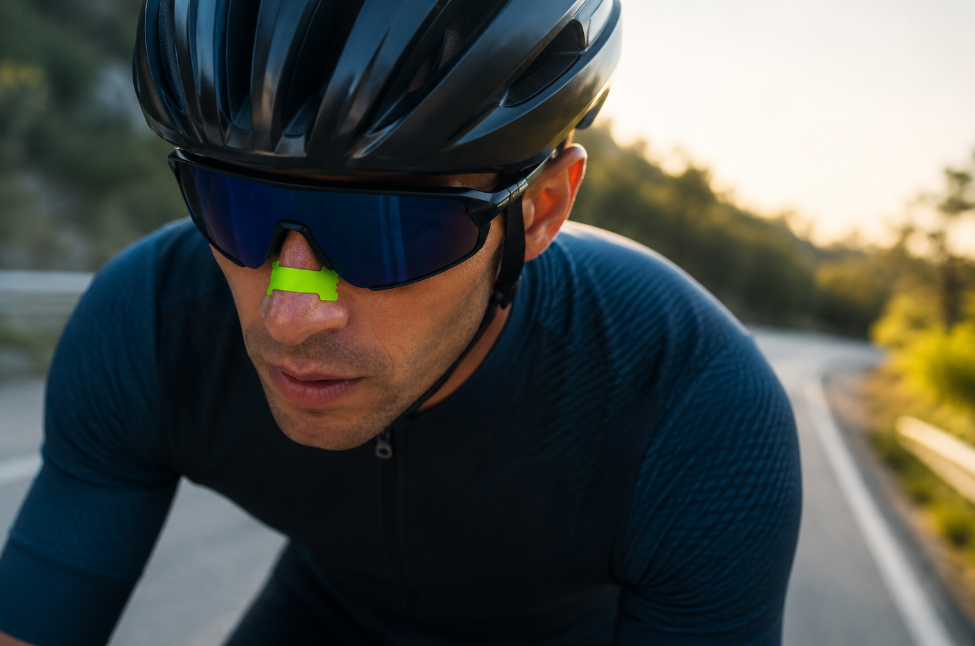 Read More