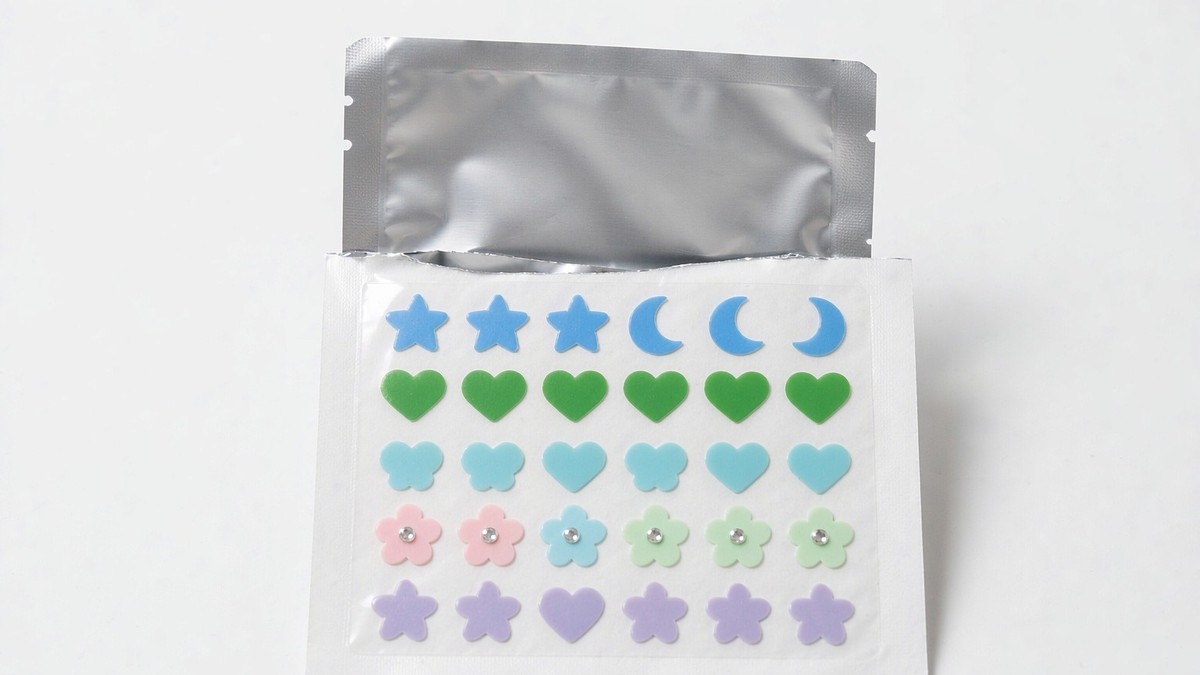
Do Nasal Strips Help With Sleep Apnea? What They Can and Cannot Do
Date:2026-08-14
Read:177
source: Athena
Nasal strips can make breathing through the nose feel easier, but they do not treat obstructive sleep apnea. The reason is anatomical: an external strip supports the nasal valve at the front of the nose, while sleep apnea usually involves repeated narrowing or collapse farther back in the throat. A strip may be a comfort aid for selected people, including some CPAP users with nasal resistance, but it should never replace diagnosis or prescribed therapy.
This distinction is especially important because snoring may improve without the apnea-hypopnea index, oxygen levels or airway collapse improving. Feeling more open at the nose is a valid product outcome; interpreting that sensation as treated sleep apnea is not.
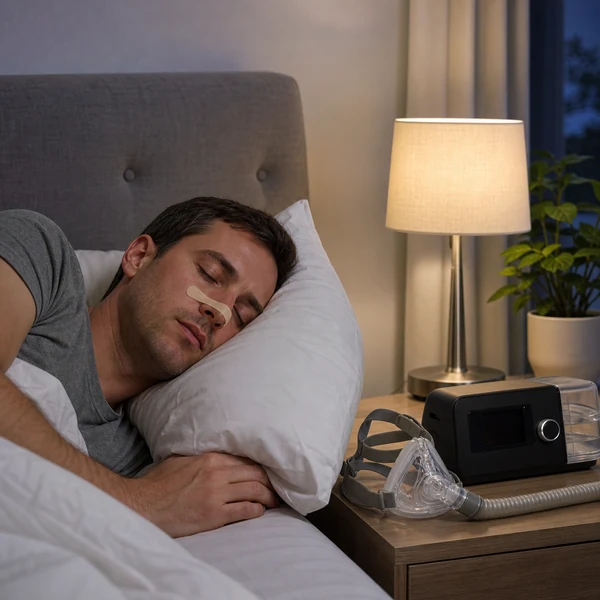
Do Nasal Strips Help With Sleep Apnea?
No—not as a standalone treatment. A 2016 systematic review and meta-analysis found no significant improvement in apnea-hypopnea index, lowest oxygen saturation or snoring index in patients with obstructive sleep apnea using nasal dilators. A newer systematic review reaching the same practical conclusion reports no meaningful improvement in objective disease severity, sleep architecture or oxygenation.
Nasal strips may still improve nasal airflow or comfort. That narrower benefit can matter when a blocked nose makes sleep or a prescribed nasal CPAP interface uncomfortable, but it is an adjunctive role rather than disease treatment.
Why Opening the Nose Does Not Stop Throat Collapse
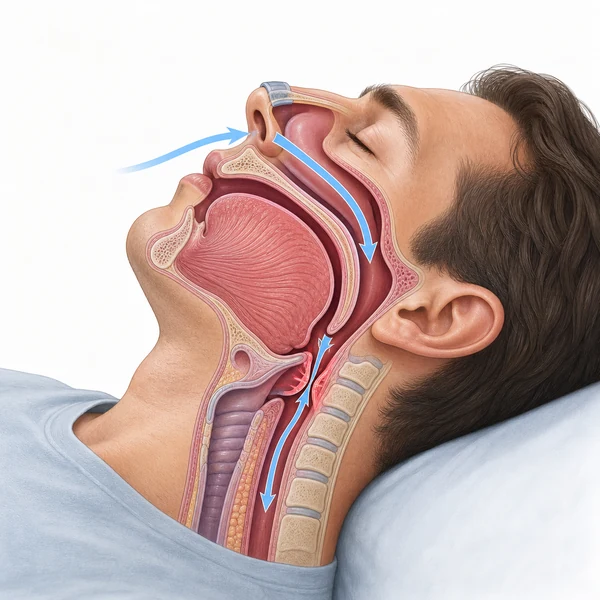
An adhesive nasal strip contains flexible support elements that pull the outer nasal sidewalls outward. This targets the nasal valve, one of the narrowest areas near the entrance to the nose. The strip does not advance the jaw, reposition the tongue, stiffen the soft palate or provide positive airway pressure.
Obstructive sleep apnea occurs when airflow repeatedly decreases or stops because the upper airway narrows during sleep. The relevant obstruction is commonly behind the tongue and soft palate. Clearing the entrance to the nose cannot reliably hold that deeper, collapsible segment open.
What a Nasal Strip Can Realistically Change
For a person with nasal resistance, an external dilator may reduce the sensation of effort at the front of the nose. Some people report quieter nasal breathing, less stuffiness or a more comfortable bedtime routine. Those are reasonable observations, provided they are not converted into claims about oxygenation or apnea control.
A strip is most logically considered when the nostril sidewalls narrow on inhalation, congestion contributes to mouth breathing, or a clinician has already established that nasal comfort is limiting adherence to an evidence-based treatment. Athena's mechanism guide for external nasal dilation explains why the benefit is strongest at the front of the airway.
Where Nasal Strips May Fit Alongside CPAP
Continuous positive airway pressure works by maintaining pressure that splints the airway open. A nasal strip cannot reproduce that mechanism. However, a clinician may consider nasal comfort strategies when congestion or narrow-feeling nostrils make a nasal mask or nasal pillows harder to tolerate.
Any strip used with CPAP must not interfere with the mask seal, cushion or straps. The user should test placement while awake, inspect for leaks and follow guidance from the sleep-care team. If the strip changes the mask position or encourages the user to reduce prescribed pressure without supervision, it is counterproductive.
A Symptom Change Is Not a Treatment Result
Snoring loudness, perceived airflow and morning comfort are not interchangeable with apnea severity. Consumer recordings can show that sound changed, but they cannot establish that breathing events or oxygen desaturation improved. Even a quiet sleeper may still have clinically significant obstructive events.
The safer outcome hierarchy is:
- Objective treatment adherence and clinician-reviewed sleep data.
- Mask seal, comfort and nasal tolerance.
- Subjective breathing sensation and snoring observations.
This order prevents a visible, low-cost accessory from being mistaken for the therapy doing the real clinical work.
When Not to Self-Test a Strip as the Main Answer
Seek professional assessment when snoring is accompanied by witnessed pauses, choking, gasping, morning headaches, difficult-to-control blood pressure, impaired concentration or pronounced daytime sleepiness. The same applies when a person wakes short of breath or has already been told that a sleep study is indicated.
A strip should also not be applied to broken, infected or severely irritated skin. Persistent one-sided nasal blockage, frequent nosebleeds or substantial structural obstruction deserve medical evaluation rather than escalating adhesive strength.
For readers still separating ordinary snoring from higher-risk patterns, Athena's candidate clues for nasal-component snoring provide a useful first distinction without treating a product trial as diagnosis.
How to Evaluate an Adjunctive Trial Safely
If a clinician-directed treatment is already in place and a strip is being tested only for nasal comfort, keep the treatment unchanged. Apply the strip to clean, dry skin above the nostril flare, confirm that it does not compromise equipment fit, and record comfort, leaks, awakenings and skin response.
Do not judge success solely by one quiet night. For CPAP users, machine-reported data and clinician interpretation are more meaningful than sound. Stop if the strip causes pain, persistent redness, itching or swelling.
Product Claims Need an Explicit Boundary
For brands, the highest-risk mistake is allowing “supports nasal airflow” to drift into “treats sleep apnea.” Packaging, product pages and creator scripts should distinguish mechanical nasal support from therapy for a diagnosed disorder. Evidence for subjective nasal comfort does not validate claims about apnea events, blood oxygen or CPAP replacement.
Good development starts with measurable device specifications: lateral support force, fit range, backing flexibility, adhesive wear duration, removal force and skin compatibility. Claim review should then confirm that every statement remains inside the tested mechanism and intended use.
Athena's sleep-use patch and breathing-support development pathway can help brands define comfort, adhesion and packaging requirements while keeping medical boundaries visible. Product capability should be connected to validated construction—not to an unsupported disease promise.
Questions People Ask Before Trying One
Can nasal strips lower the apnea-hypopnea index?
Current systematic-review evidence does not show a meaningful standalone reduction in AHI for obstructive sleep apnea. Do not use a strip as an alternative to prescribed therapy.
Can I wear a nasal strip with CPAP?
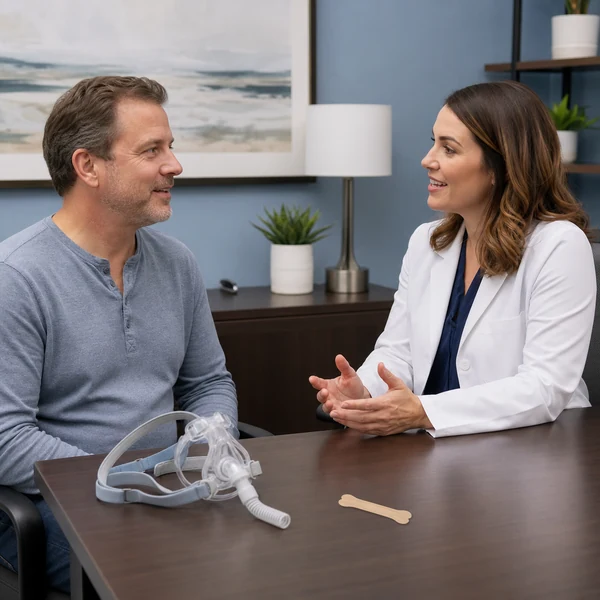
Some users may be able to, but the strip must not interfere with the mask seal or prescribed setup. Discuss persistent nasal discomfort or adherence problems with the treating clinician or equipment provider.
Are nasal strips useful for snoring without sleep apnea?
They may help selected people when nasal resistance contributes to snoring, but results are mixed and the cause matters. Red-flag symptoms still require assessment.
Use the Strip for the Problem It Can Reach
Nasal strips can support the external nasal valve. Sleep apnea treatment must address repeated collapse of the sleep airway and its consequences. Keeping those two targets separate is the clearest way to use a strip responsibly.
If nasal comfort is the barrier, an external strip may be a small adjunct worth discussing. If the goal is to treat obstructive sleep apnea, rely on diagnosis, monitored outcomes and clinician-directed therapy.
Sources
Systematic review and meta-analysis of nasal dilators for snoring and OSA
Recent systematic review of nasal dilators in sleep-disordered breathing
NHLBI: Sleep apnea treatment
Sections
27 May 2026
Clear nose strips are becoming popular with runners because they offer a more discreet way to add breathing comfort to daily training. Not every runner wants a bold strip in race photos, running club sessions, gym mirrors, or social media videos. A transparent or low-visibility design can feel more natural for everyday use while still giving runners a simple external option for nasal airflow support. Read More