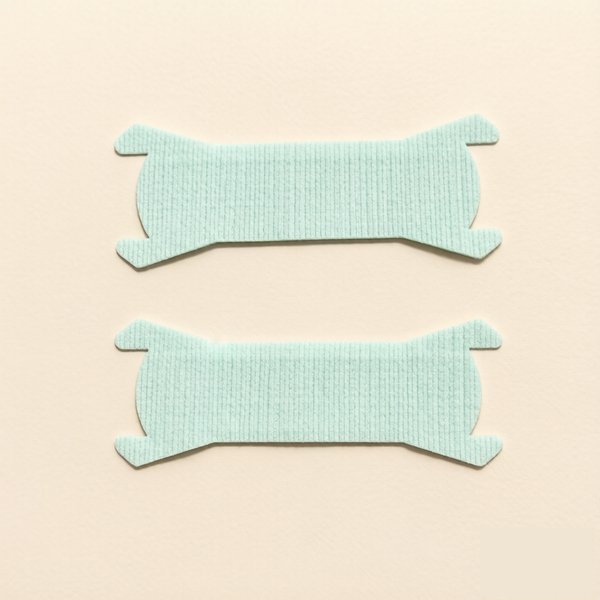
Sports Nose Strips Are Becoming the Small Fitness Accessory Athletes Add to Their Routine
Date:2026-06-11
Read:137
source: Zoey
Sports nose strips are becoming popular because active users want simple, visible, and easy-to-test breathing comfort accessories. In the past, many people mainly connected adhesive nasal strips with sleep, snoring, or nasal congestion. Today, the same product category is also appearing in workout routines, warmup habits, recovery sessions, and active lifestyle content.
The rise of sports nasal strips reflects a wider interest in breathing, recovery, and low-commitment wellness tools. Many fitness users now pay more attention to how they prepare before training, how they recover afterward, and which small products help them feel more comfortable. For most users, the value is not a promise of dramatic performance improvement, but a lightweight external strip that is easy to apply, easy to remove, and simple to test.
Why Sports Nasal Strips Fit Active Lifestyles?
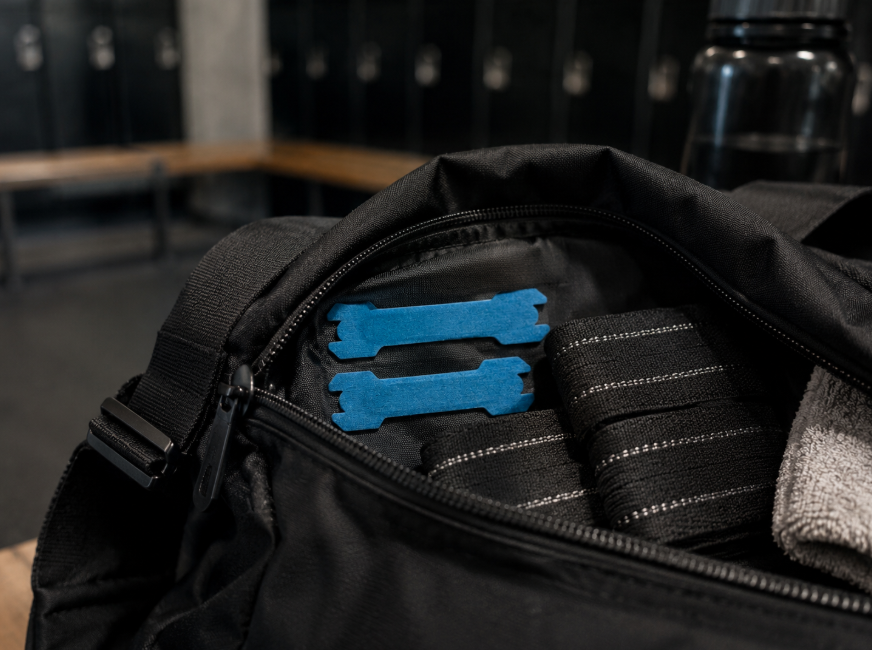
Sports nasal strips fit active lifestyles because they can be added to training without changing the whole routine. A user does not need a device, charger, app, fitting appointment, or complicated setup. The product can be applied before activity and removed afterward, making it a low-effort option for people who want practical breathing comfort support.
This type of nasal airflow accessory also matches how active people already build personal routines. Many users combine small products such as sports watches, hydration bottles, sweat towels, recovery tools, and skin-protection items. In this environment, a nasal strip for active routines feels like another lightweight tool rather than a complex performance device.
Why Do Athletes Wear Nose Strips During Training?
Athletes wear nose strips during training because some users feel more comfortable nasal airflow during certain activities. This may be especially noticeable during warmups, steady sessions, mobility work, or recovery routines where breathing feels easier to observe.
The habit is also partly routine-based and visual. A small nasal breathing strip can become part of a prepared athletic look, similar to other visible training accessories. For some users, athletic nasal strips are not only about function; they also signal preparation, focus, and an active lifestyle.
How Do Nasal Strips for Active Routines Become Daily Training Tools?
Nasal strips for active routines become daily training tools when users connect them with comfort and preparation. Some people keep a few strips in a gym bag, travel pouch, or personal wellness kit. Others apply one before warmups, stretching, indoor workouts, or recovery sessions.
Routine value matters more than dramatic claims. If a product feels comfortable, stays in place, and removes cleanly, users are more likely to repeat the habit. For active consumers, a small external nasal strip becomes useful when it supports the routine without adding friction.
How External Nasal Strips Support Breathing Comfort?
External nasal strips support breathing comfort by gently lifting the sides of the nose from the outside. Most adhesive nasal strips use flexible bands and skin-safe adhesive to help hold the nasal passages more open. This mechanical design may help some users feel easier nasal airflow, especially when mild nasal resistance is present.
The experience can vary because every user’s nasal structure, skin condition, and activity intensity are different. Some people may feel a clearer nasal passage quickly, while others may notice only a small difference. This is why external nasal dilator strips should be described as comfort-support products rather than universal performance solutions.
What Can Sports Breathing Strips Actually Help With?
Sports breathing strips may help some users feel more comfortable with nasal airflow during lower-intensity or steady activity. They may be useful during warmups, recovery routines, stretching, light training, or general active movement. These situations give users enough time to notice whether nasal airflow feels more open.
The product works best when expectations are practical. A nasal airflow strip may support comfort, but it does not train the lungs, improve technique, or replace consistent conditioning. A good user experience depends on fit, placement, skin comfort, and how well the product matches the activity.
Why Should Fitness Breathing Strips Avoid Performance Overclaims?
Fitness breathing strips should avoid performance overclaims because measurable athletic improvement is not consistently supported. Some users may enjoy the feeling of a more open nose, but that does not mean the product will directly improve endurance, strength, speed, or workout results.
A realistic message is more useful for active users. Instead of promising better performance, external nasal strips should be presented as simple tools that may support nasal airflow comfort for some people. This keeps the product credible and easier for users to understand.
Why Wearable Breathing Accessories Are Showing Up in Fitness?

Wearable breathing accessories are showing up in fitness because face-worn products are easy to notice in real training environments. Unlike supplements, insoles, or hidden recovery items, an adhesive strip across the nose appears clearly in workout photos, gym mirrors, social content, and group training settings.
This visibility gives nasal breathing strips a place among wearable sports accessories. Sports watches, training tape, compression items, sweatbands, and recovery patches became familiar partly because people could see them in use. Athletic nasal strips follow a similar pattern: they are visible, easy to understand, and simple to ask about.
How Do Athletic Nasal Strips Become Part of Training Gear?
Athletic nasal strips become part of training gear when users see them as practical, lightweight, and easy to carry. A small pack can fit into a bag or locker, and one strip can be used before a workout without special preparation. This convenience makes the product easier to adopt than larger devices or complicated breathing tools.
The product also works well as a personal routine item. Some users may wear one during preparation, warmup, or recovery because it helps them feel more focused. Even when the benefit is subjective, a simple product that feels comfortable can still become part of a repeated habit.
Why Are Face-Worn Breathing Products Easy to Notice?
Face-worn breathing products are easy to notice because a small item on the nose has strong visual presence. A clear, skin-tone, or colored strip can stand out differently depending on the design. This visibility makes the category more recognizable in active lifestyle content.
The visual nature of the product also creates room for different styles. Some users may prefer a low-profile option for daily training, while others may choose a more athletic-looking strip. This flexibility helps sports nasal strips serve different personal preferences without changing the basic product function.
Where Nasal Strips for Sports Fit Best?
Nasal strips for sports fit best in training situations where users want light, external, and easy-to-use breathing comfort support. They are most relevant when users want a product that can be applied quickly, worn during activity, and removed after the session.
Different users may need different product experiences. A first-time user may want a discreet strip. A frequent trainer may prioritize skin comfort. A heavy sweater may need stronger adhesion. A user who likes visible training accessories may prefer a more athletic design.
Which Training Scenarios Suit Sports and Fitness Nasal Strips?
Sports and fitness nasal strips suit training scenarios where comfort, simplicity, and routine matter more than maximum output. Warmups, steady sessions, mobility work, recovery routines, and general active use are more realistic situations for trying the product.
High-intensity efforts may make the product feel less noticeable. When breathing demand increases, many users naturally rely more on mouth breathing. In those moments, a strip may still feel comfortable, but it should not be expected to transform performance.
Training Situation | User Need | Suitable Product Role |
Warmup routine | Easy preparation | Lightweight breathing accessory |
General workout | Simple external support | Fitness breathing strips |
Recovery session | Low-intensity comfort | Nasal airflow support |
Daily active routine | Convenient use | Nose strips for active lifestyles |
Public training setting | Clean appearance | Low-profile sports nasal strips |
How Do Athletic Breathing Strips Differ by User Type?
Athletic breathing strips differ by user type because not every active person wants the same feel, look, or adhesive strength. Some users want a nearly invisible product. Others want stronger hold. Some care most about gentle removal, while others focus on whether the strip stays flat during movement.
The best product is the one that matches the user’s routine. A strip designed for light daily use may not be ideal for sweat-heavy training. A stronger adhesive product may not be best for sensitive skin. Product design should consider fit, surface feel, adhesive strength, flexibility, and removal comfort.
What Makes a Sports Wellness Product Practical?
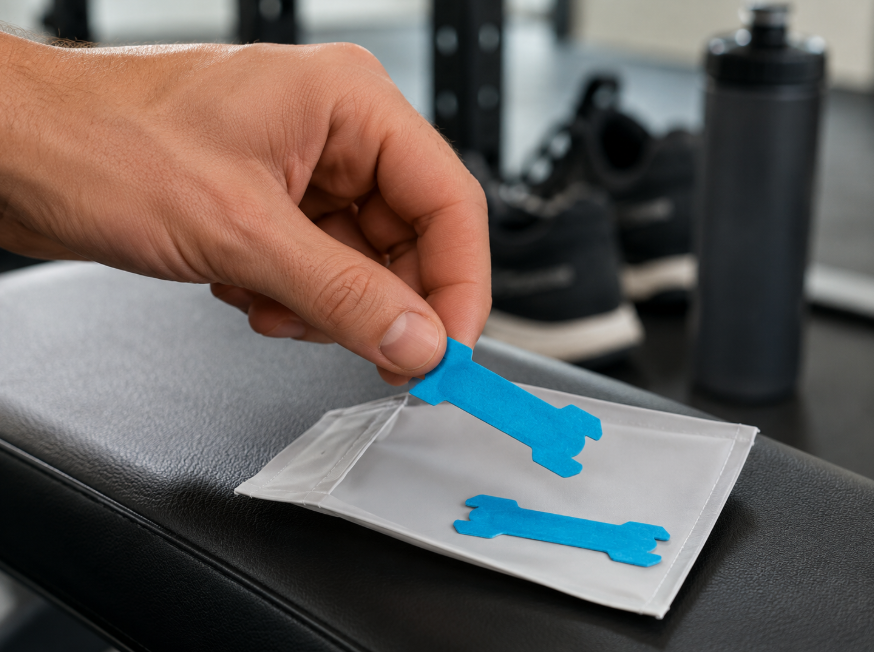
A practical sports wellness product should be easy to use, comfortable to wear, and honest about what it can do. For adhesive nasal strips, the strongest value is not a dramatic performance promise. It is the combination of simple application, external support, lightweight wear, and realistic nasal airflow comfort.
A good active lifestyle breathing product should be designed around actual training conditions. Users may sweat, move, wipe their face, wear skincare products, or train in changing environments. If the product lifts too early, feels harsh, or leaves residue, it may not become part of a regular routine.
What Should Users Check Before Trying Adhesive Nasal Strips?
Users should check fit, adhesion, flexibility, removal comfort, and skin response before trying adhesive nasal strips. A good product should stay stable during movement, lift gently, and remove without excessive pulling. It should not feel thick, sharp, or distracting during activity.
The product should also match the user’s personal preference. For everyday use, a low-profile design may feel more natural. For a stronger training look, an athletic nasal strip may be preferred. For frequent use, skin comfort should be a major priority.
Feature | Why It Matters for Active Users |
Flexible lift | Supports comfort without stiffness |
Stable adhesion | Helps the strip stay in place |
Smooth edges | Reduces peeling and irritation |
Clean removal | Helps protect skin after use |
Drug-free design | Fits simple wellness routines |
Low-profile or athletic look | Matches different user preferences |
When Should External Nasal Dilator Strips Be Used with Caution?
External nasal dilator strips should be used with caution if the user has sensitive skin, adhesive allergies, irritated skin, or persistent breathing problems. These products are external support accessories, not medical treatments. If a user has ongoing nasal blockage, unusual shortness of breath, or sleep-related breathing symptoms, professional guidance may be needed.
Users should stop using a strip if it repeatedly causes redness, burning, or discomfort. A product that supports an active lifestyle should feel comfortable before, during, and after use. Skin response is part of the product experience, not a minor detail.
FAQ
1.Why are nose strips popular in sports?
Nasal strips are popular in sports because they are simple, visible, drug-free, and easy to test during training. Some users may feel more comfortable nasal airflow during warmups, steady workouts, or recovery routines.
2.Why do athletes wear nose strips?
Athletes wear nasal strips because they may support nasal airflow comfort and fit easily into pre-workout routines. The product is also lightweight, visible, and simple to remove after activity.
3.Are sports breathing strips the same as regular nasal strips?
Sports breathing strips use the same external nasal opening concept, but active-use versions often need better stability, flexibility, and comfort. Sports users usually need products that can handle movement, sweat, and repeated use.
4.Can nasal strips for sports improve performance?
Nasal strips for sports should not be expected to directly improve performance. Some users may enjoy comfort benefits, but the product should be understood as external breathing comfort support rather than a guaranteed performance enhancer.
5What makes a good sports wellness breathing product?
A good sports wellness breathing product should feel comfortable, stay stable, lift gently, remove cleanly, and match the user’s activity. Practical product experience matters more than exaggerated claims.
Conclusion
Sports nose strips are becoming popular in fitness because they fit the demand for simple, visible, and low-commitment wellness accessories. They are easy to carry, easy to test, and easy to include in warmups, workouts, recovery sessions, and active routines.
Their strongest value is practical breathing comfort, not dramatic performance enhancement. For active users, the best sports nasal strips are the ones that feel comfortable, stay secure, support nasal airflow, and fit naturally into real training habits. When positioned realistically, adhesive nasal breathing strips can become useful sports wellness products for everyday fitness users.