Why Do Nasal Strips Leave Marks or Irritate Skin?
Date:2026-07-30
Read:129
source: Zoey
Why Do Nasal Strips Leave Marks or Irritate Skin?
Quick Answer
Nasal strips may leave marks or cause skin irritation because of factors such as adhesive strength, wearing time, skin sensitivity, moisture, and removal methods. A nasal strip needs enough adhesion to stay in place during use, but the adhesive system and materials must also be designed for comfortable skin contact. Choosing skin-friendly materials, using proper application methods, and selecting a nasal strip designed for repeated use can help reduce discomfort.
Why Do Some People Experience Skin Irritation After Using Nasal Strips?
Nasal strips are designed to stay attached to the outside of the nose while providing gentle lifting support. Since the strip remains in direct contact with the skin for several hours, the adhesive layer and backing material play an important role in overall comfort.
Some users may notice:
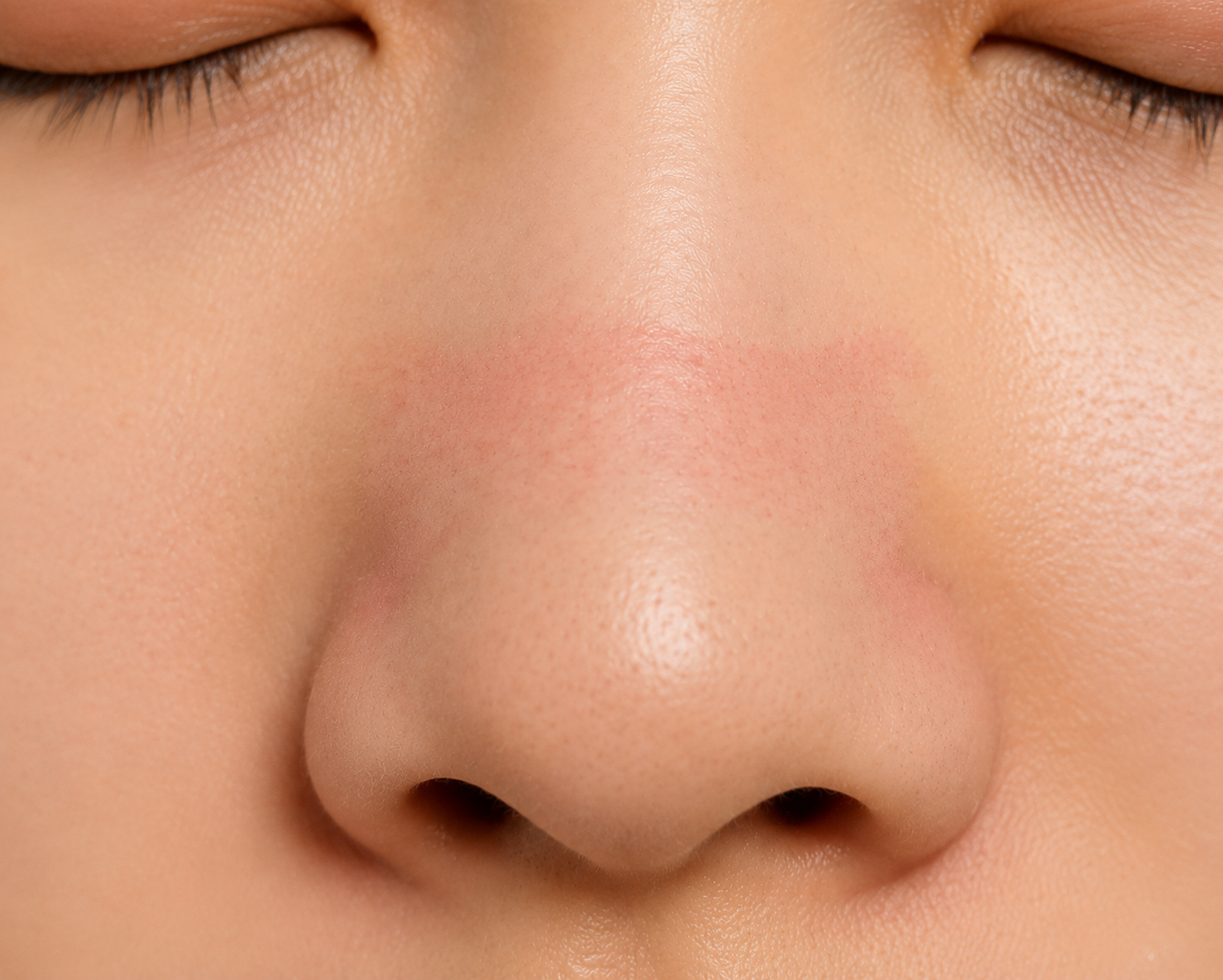
temporary redness after removal;
adhesive residue on the skin;
mild discomfort during removal;
irritation after repeated daily use.
This does not always mean the product is unsuitable. Skin response can vary depending on individual sensitivity, application habits, and the design of the nasal strip.
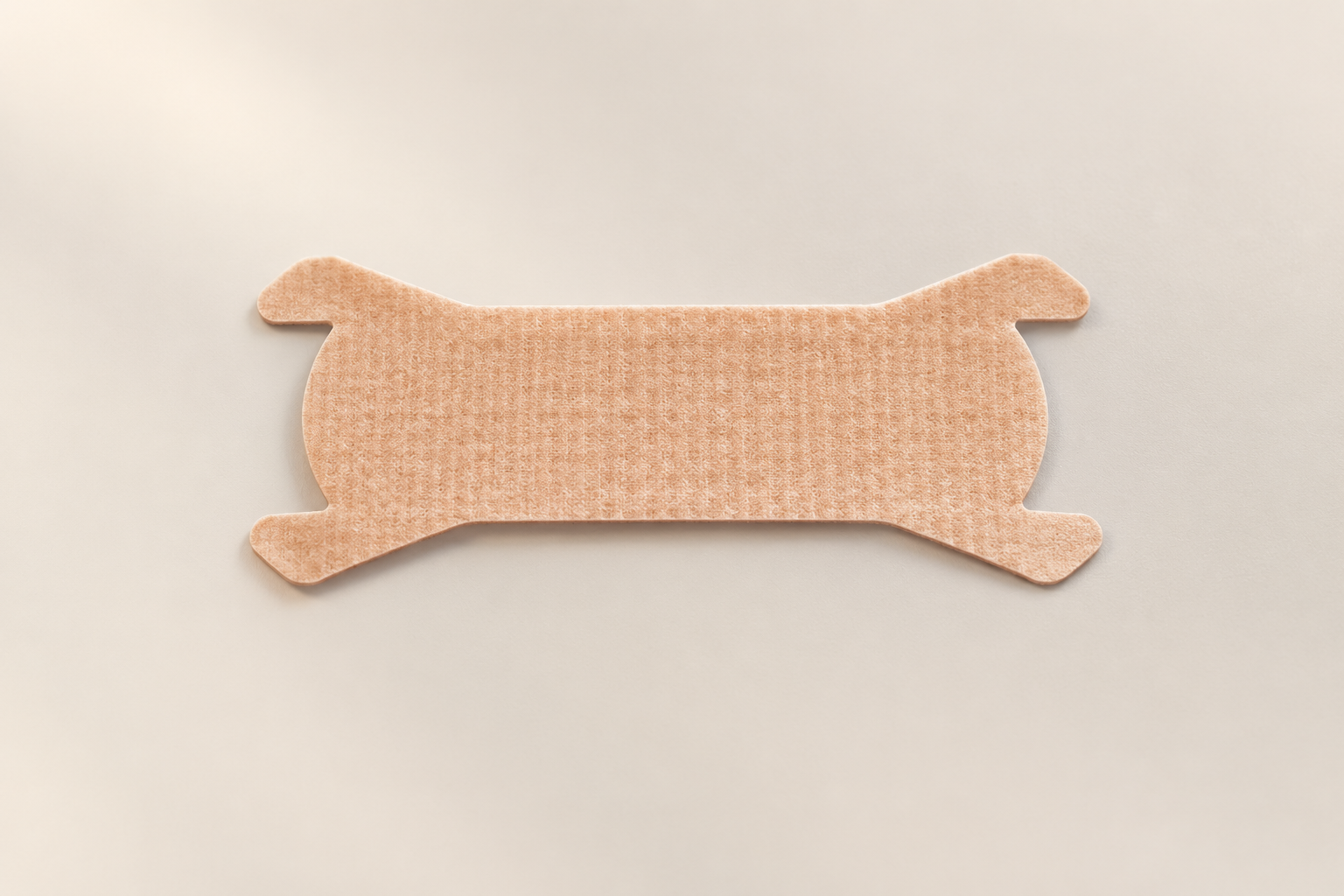
What Causes Nasal Strips to Leave Marks or Feel Uncomfortable?
1. Adhesive Strength and Skin Sensitivity
The adhesive is one of the most important parts of a nasal strip.
A strip with insufficient adhesion may fall off during sleep, exercise, or sweating. However, an adhesive that creates excessive bonding force may make removal uncomfortable, especially for users with sensitive skin.
The challenge for nasal strip manufacturers is finding the right balance:
strong enough adhesion for reliable wear;
comfortable contact with the skin;
easy removal without excessive pulling.
For this reason, different nasal strip products may use different adhesive formulations depending on their intended application, such as sleep, sports, or daily use.
2. Wearing Time and Repeated Use
Many users wear nasal strips overnight, which means the skin remains in contact with the adhesive for several hours.
Long wearing time combined with:
sweat;
skin oil;
humidity;
repeated application.
may increase the chance of discomfort for some users.
For people who use nasal strips regularly, product comfort becomes just as important as initial adhesion performance.
3. Incorrect Application or Removal
Application method can significantly affect skin comfort.
Common mistakes include:
Applying on unclean skin — Oil, skincare products, or moisture on the nose can affect how the adhesive contacts the skin.
Removing too quickly — Pulling the strip away suddenly may create more stress on the skin.
Applying in the wrong position — Incorrect placement can increase pulling sensation during removal.
Following the recommended application and removal method can help improve the overall experience.
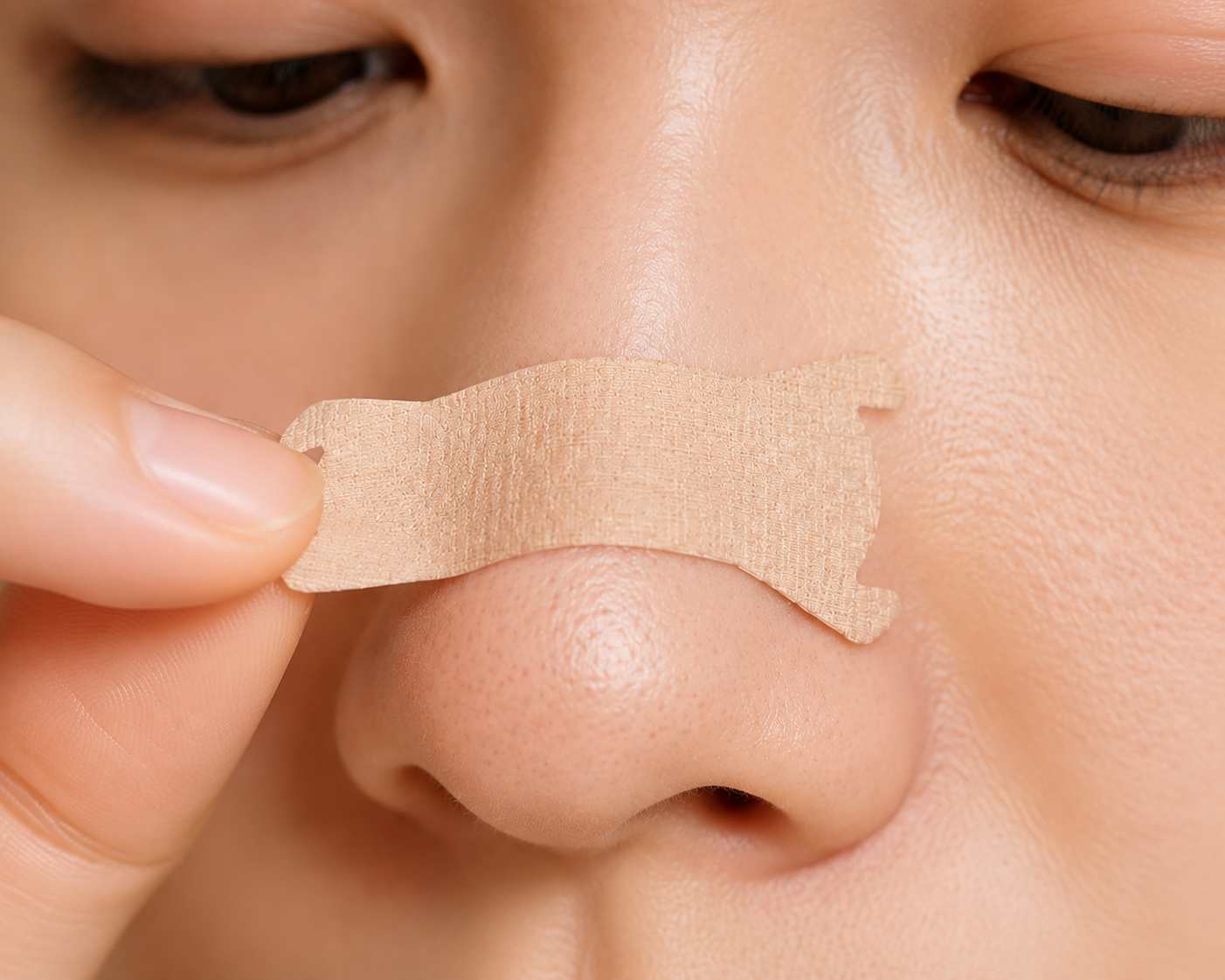
4. Material and Product Design Differences
Not all nasal strips are designed the same way.
The overall wearing experience depends on multiple components:
adhesive layer;
backing material;
support strip structure;
flexibility and shape design.
A well-designed nasal strip needs to consider both functional performance and skin comfort.
For brands developing nasal strips, material selection is a key factor that influences product positioning, such as:
everyday comfort products;
sports nasal strips;
sensitive-skin focused products;
medical and wellness applications.
How Can You Reduce Skin Discomfort When Using Nasal Strips?
Users can improve comfort by following several simple practices.
Prepare the Skin Before Application
Before applying a nasal strip:
clean and dry the nose area;
avoid applying skincare products directly under the strip;
make sure the skin is free from excessive oil or moisture.
This helps the adhesive make better contact with the skin.
Remove the Strip Carefully
Instead of pulling quickly:
slowly peel the strip from one side;
avoid unnecessary stretching of the skin;
remove gently after use.
For a step-by-step overview of correct application and removal, see our how to use nasal strips correctly.
Choose a Nasal Strip Designed for Your Needs
Different users may need different product characteristics.
For example:
| User Need | Important Product Factors |
|---|---|
| Overnight sleep use | Comfortable adhesion and long wearing time |
| Sports use | Sweat resistance and secure attachment |
| Sensitive skin | Skin-friendly adhesive and gentle removal |
| Daily use | Comfort-focused materials |
What Makes a Nasal Strip More Comfortable for Long-Term Use?
For manufacturers, improving comfort is not only about changing the adhesive. It requires balancing multiple design factors.
Skin-Friendly Adhesive
A suitable adhesive system should provide:
reliable attachment;
comfortable skin contact;
controlled removal force.
Flexible and Comfortable Materials
The backing material affects:
flexibility;
breathability;
overall wearing feeling.
A rigid or unsuitable material may increase discomfort during movement or long-term wear.
Proper Structural Design
The shape and support structure influence:
how the strip fits different nose shapes;
how force is distributed;
how comfortable it feels during use.
This is why custom nasal strip development often involves adjusting materials, structure, and adhesive performance together.
For users who primarily wear nasal strips overnight, comfort-focused designs can make a noticeable difference. See our guide on sleep-specific nasal strip options.
Why Material Selection Matters in Custom Nasal Strip Development
For brands creating their own nasal strip products, comfort-related issues should be considered during product development rather than after production.
A reliable nasal strip manufacturing process typically involves evaluating:
target market and usage scenario;
adhesive requirements;
material compatibility;
product structure;
testing before mass production.
For example, a sports-focused nasal strip may prioritize stronger attachment and sweat resistance, while a sleep-focused product may place more emphasis on overnight comfort and skin friendliness.
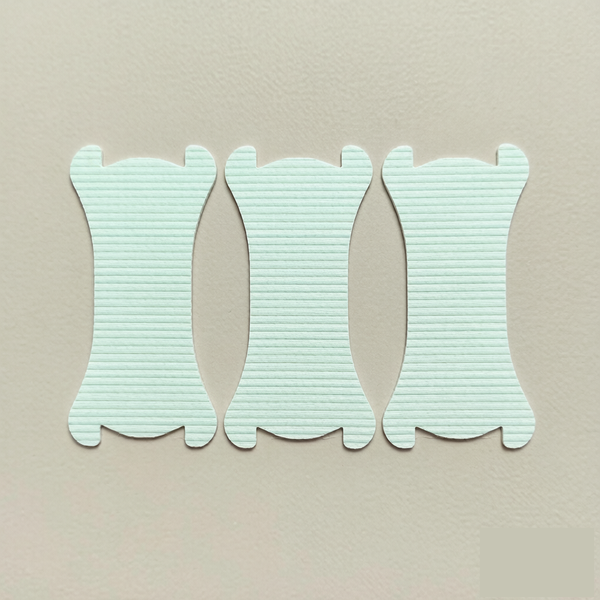
Brands evaluating OEM and private label options can refer to our custom nasal strip OEM capabilities for a broader overview of sourcing considerations.
Athena supports custom nasal strip development by helping brands evaluate materials, product structures, and manufacturing requirements based on their target applications.
FAQ
Can nasal strips cause skin irritation?
Some users may experience temporary redness or discomfort due to skin sensitivity, adhesive interaction, or removal methods. Choosing suitable materials and applying the strip correctly may help improve comfort.
Why does my nose turn red after using nasal strips?
Temporary redness can happen because the adhesive creates contact with the skin and removal may cause mild mechanical stress. If discomfort continues, users should consider stopping use and choosing a product better suited to their skin.
Are hypoallergenic nasal strips better for sensitive skin?
Hypoallergenic materials are designed to reduce the likelihood of skin reactions, but individual responses can still vary. Material selection and adhesive design both affect comfort.
Can you wear nasal strips every night?
Many people use nasal strips overnight, but comfort depends on the product design, skin condition, and individual tolerance.
How can I make nasal strips stick better without causing irritation?
Applying the strip on clean, dry skin and choosing a product with a suitable adhesive balance can improve both attachment and comfort.
Conclusion
Nasal strips leaving marks or causing irritation is usually related to the balance between adhesion, material selection, skin condition, and wearing habits.
For consumers, choosing the right product and applying it correctly can improve comfort. For brands developing private label nasal strips, adhesive performance, material selection, and product design are key factors that influence customer experience.
A well-designed nasal strip should not only stay in place but also provide comfortable wear throughout its intended application.