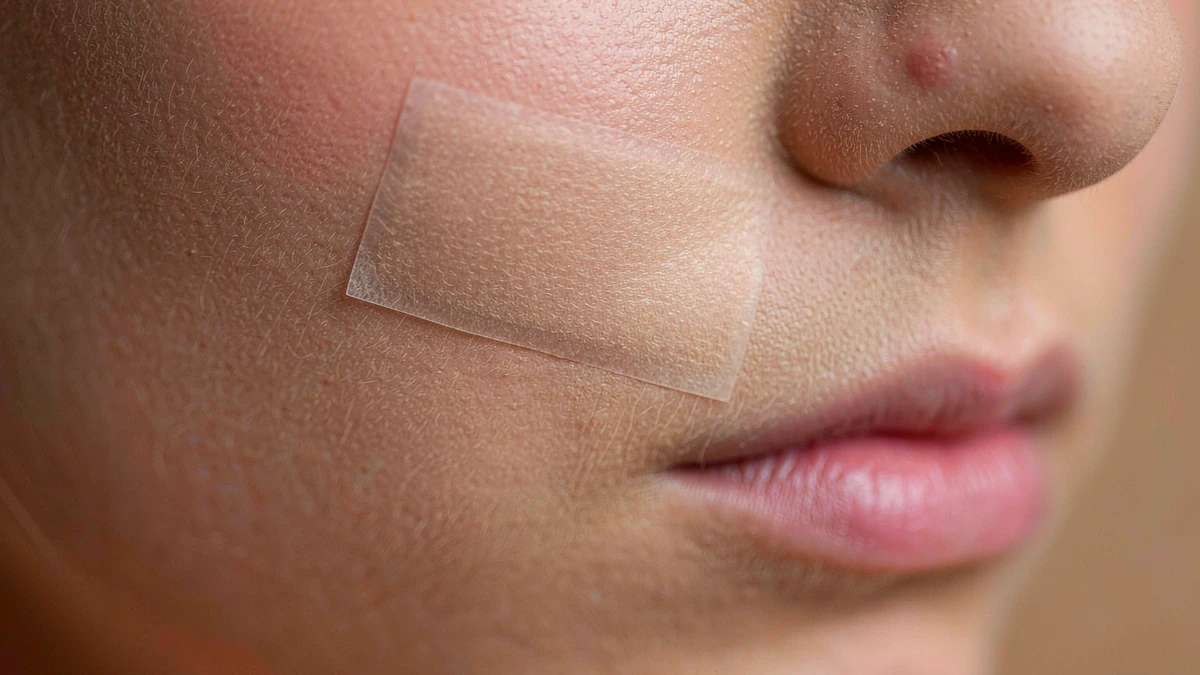
Why Sweat-Resistant Nose Strips Matter More Than Performance Claims?
Date:2026-05-27
Read:354
source: Zoey
Summary
Sweat-resistant nose strips matter more than performance claims because active users first need the product to stay in place. A strip may look promising before a workout, but if it peels during a run, lifts during a gym session, or feels uncomfortable after sweat dries, the product experience fails. For runners, cyclists, gym users, and team-sport athletes, secure hold is often more important than bold claims about performance.
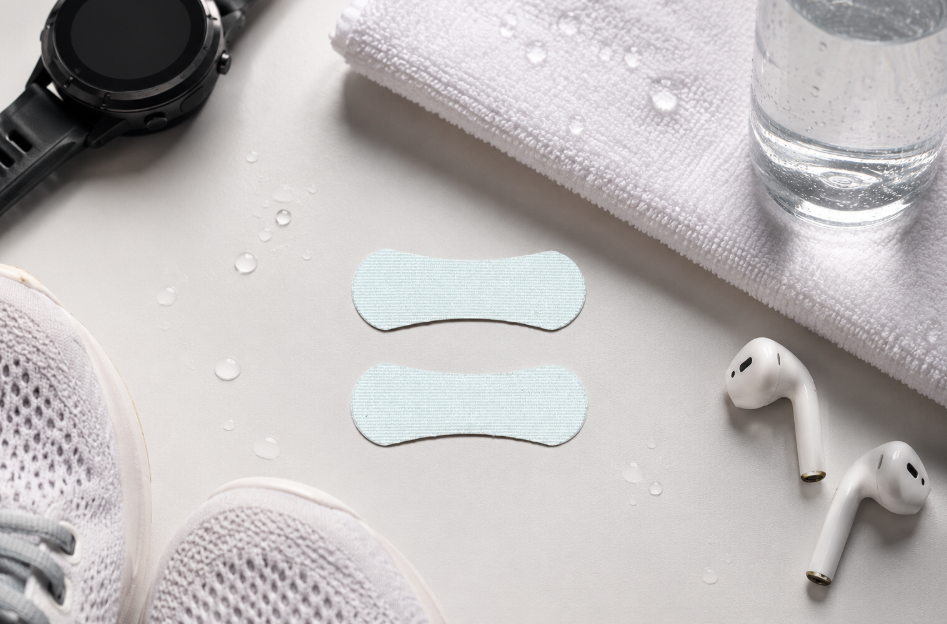
The more realistic value of nose strips is breathing comfort, not guaranteed athletic improvement. External nasal dilator strips may help some users feel more open nasal airflow, but research on sports performance remains cautious. A systematic review found no clear improvement in VO₂ max, heart rate, or perceived exertion in healthy people during exercise, which makes adhesion, fit, and comfort more practical priorities for active users.
Why Secure Adhesion Matters in Active Nose Strips
Secure adhesion matters in active nose strips because sweat can quickly turn a useful product into a distraction. During exercise, the skin becomes warmer, moisture builds up, and users may wipe their face repeatedly. Once a strip begins to curl or loosen, the athlete stops thinking about breathing comfort and starts worrying about whether the product will fall off.
A stable strip also makes the product feel more trustworthy. Active users judge sports accessories in real conditions, not just by packaging claims. If a nasal strip stays smooth during warmups, steady runs, cycling sessions, or gym workouts, it is more likely to become part of a regular routine.
What Makes Regular Nasal Strips Peel During Workouts?
Regular nasal strips may peel during workouts because many are designed for dry skin and low-movement situations. Sleep-focused strips can work well overnight, but exercise adds sweat, heat, skin oil, sunscreen, and facial movement. These factors can weaken adhesive contact, especially around the edges.
Wet or oily skin is one of the biggest reasons adhesive products fail. Breathe Right’s application guidance notes that adhesive does not stick properly to wet, oily, or moisturized skin, and recommends washing and drying the nose before applying a strip.
How Can Edge Stability Improve Sports Use?
Edge stability improves sports use because peeling usually starts at the corners before the whole strip fails. Even if the center remains attached, lifted edges can feel irritating, look messy, and reduce the strip’s ability to stay anchored during movement.
A better active-use design should keep the edges flat through sweat and repeated facial motion. Smooth edge finishing, proper adhesive coverage, and a flexible material structure can help the strip stay more comfortable during running, gym training, cycling, or other sports routines.
How External Nasal Dilators Support Airflow Comfort
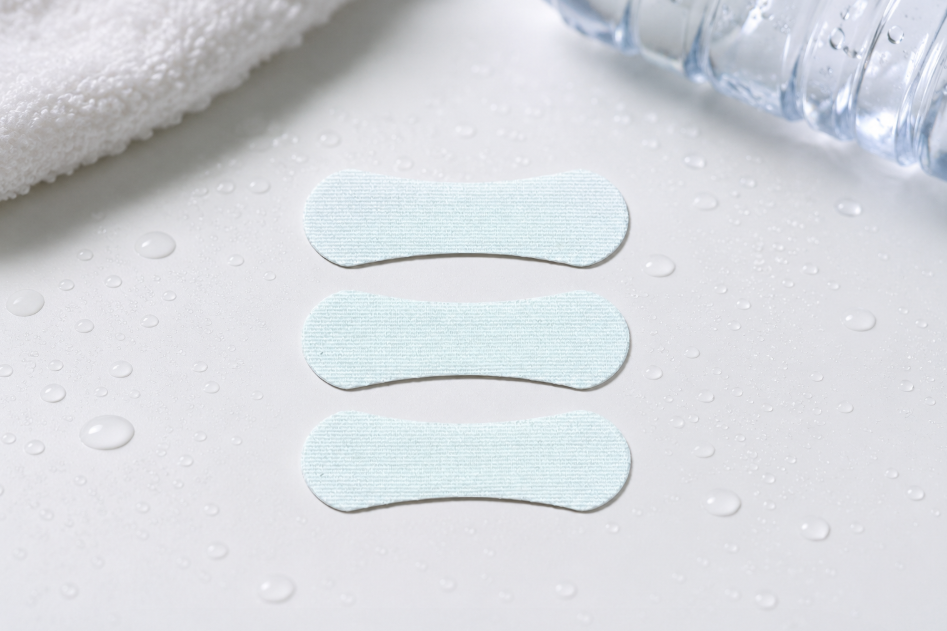
External nasal dilators support airflow comfort by gently lifting the sides of the nose from the outside. Most nose strips use flexible bands and adhesive to hold the nostrils more open, which may increase airflow through the nose for some users. Sleep Foundation describes nasal strips as adhesive fabric strips placed on the nose to hold the nostrils open and increase nasal airflow.
The effect can vary because nasal structure, placement, activity intensity, and skin condition are different for every user. Some athletes may feel a clearer nasal passage during steady training, while others may notice only a small difference during high-intensity exercise, when mouth breathing naturally becomes more dominant.
Where Should Clear Passage Nasal Strips Be Placed?
Clear passage nasal strips should be placed across the bridge of the nose, generally above where the nostrils flare. If the strip sits too high, it may not support the lower nasal area effectively. If it sits too low, it may feel awkward or fail to stay smooth during movement.
Correct placement helps both function and comfort. A strip that is applied evenly can create a more stable lifting effect and reduce the chance of edge lifting during exercise. For active users, placement is not only about airflow; it also affects how well the strip survives sweat and motion.
Why Does Clean, Dry Skin Improve Adhesion?
Clean, dry skin improves adhesion because the strip needs direct contact with the skin surface. Sweat, moisturizer, sunscreen, and facial oil can create a thin barrier that prevents the adhesive from bonding evenly.
This step matters even for extra strength nasal strips. A stronger adhesive cannot perform well if it is applied over oil or moisture. For workouts, the best habit is to clean the nose, dry it fully, apply the strip before sweating begins, and press it down evenly from the center toward both sides.
What Makes Sports Nasal Strips Ready for Sweat?
Sports nasal strips are sweat-ready when they combine secure adhesive hold, flexible lift, smooth edges, and comfortable removal. A stronger adhesive alone is not enough. The strip also needs to move naturally with the nose and remain comfortable as the skin warms up during activity.
A good athletic strip should feel stable without feeling harsh. If the adhesive is too weak, the strip may peel before the workout ends. If it is too aggressive, removal may cause pulling, redness, or residue. The best sports breathing strips balance active hold with skin-friendly wear.
Feature | Why It Matters | Suitable Keyword |
Sweat-resistant adhesive | Helps the strip stay flat during movement | sports nasal strips |
Smooth edge design | Reduces curling during workouts | athletic nose strips |
Flexible lifting band | Supports comfort without stiffness | better breath nasal strips |
Stronger active hold | Useful for sweat-heavy training | extra strength nasal strips |
Gentle removal | Better for repeated use | nose strips for athletes |
Low-profile appearance | Works for public training or daily wear | clear passage nasal strips |
Which Materials Help During Running and Gym Sessions?
Materials for running and gym sessions should support both hold and flexibility. A sports strip needs enough structure to create lift, but it should not feel stiff, thick, or distracting on the nose. Thin, flexible materials are often more comfortable for repeated facial movement.
Surface feel also matters during sweat-heavy activity. A strip that feels rough, heavy, or overly rigid may become annoying during longer workouts. For active users, comfort is not separate from function; it directly affects whether the product is used again.
When Are Extra Strength Nasal Strips the Better Choice?
Extra strength nasal strips are a better choice when regular strips lift too quickly during sweat-heavy activity. They may suit long-distance running, outdoor cycling, humid weather, high-sweat gym sessions, or users with oilier skin.
Stronger hold should still be matched with careful removal. Athletes who train several times a week need products that stay on during activity but do not damage the skin afterward. For sensitive skin, a balanced athletic strip may be better than the strongest adhesive option.
Which Training Scenarios Need Athletic Nose Strips?
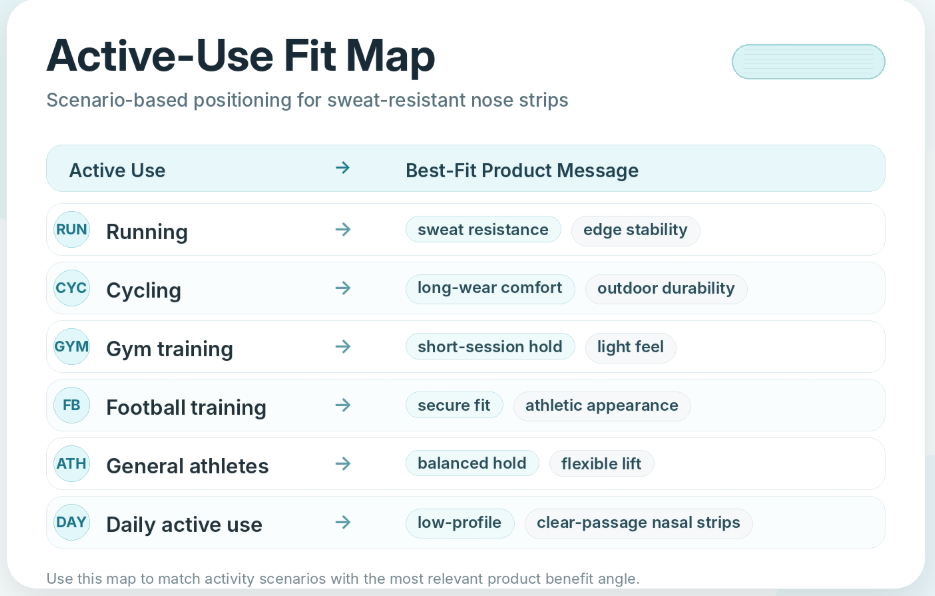
Athletic nose strips are most useful in training scenarios where sweat, movement, and longer wear time challenge regular adhesion. Running, cycling, gym training, football practice, hiking, and endurance workouts all create different demands. The product should match the activity rather than rely on one generic design.
Different sports require different product priorities. A runner may care most about sweat resistance and edge stability. A cyclist may care about long-wear comfort and sunscreen compatibility. A gym user may need strong short-session hold, while a football user may value secure fit and athletic appearance.
Nasal Strips for Running: What Should Active Users Expect?
Nasal strips for running should be expected to support comfort, not replace training or fitness. Some runners may feel more open nasal airflow during easy runs, warmups, recovery runs, or long steady sessions. During harder efforts, breathing demand increases, so the strip may feel less noticeable.

A nasal strip for running should also be tested before race day. Adhesion, skin response, placement, and removal can all feel different during a real workout. Runners should test the product during training before using it in an important race.
Nasal Strips Gym and Football Nasal Strips: What Changes by Sport?
Nasal strips gym use usually requires short-session sweat resistance and a lightweight feel. During HIIT, treadmill work, strength circuits, or indoor cycling, sweat can build quickly. A gym-focused strip should stay secure without feeling thick or distracting.
Football nasal strips need secure fit and a visible athletic look, but contact sports create extra challenges. Helmets, wiping, impact, and facial movement can affect placement. For team sports, the product should be positioned as an athletic comfort accessory rather than a guaranteed performance enhancer.
What Should Athletes Know About Performance Nasal Strips?
Athletes should know that performance nasal strips are better understood as comfort-support products than performance boosters. They may help some users feel better nasal airflow, especially when nasal resistance is present, but they should not be expected to improve speed, strength, endurance, or race results by themselves.
The most responsible claim is that nose strips may support nasal airflow comfort for some users. This matches the product’s mechanical function while avoiding unrealistic promises. It also helps users choose based on fit, hold, skin comfort, and activity type.
Why Should Sports Breathing Strips Avoid Overclaiming?
Sports breathing stripsshould avoid overclaiming because evidence for measurable exercise improvement is limited. The PubMed-indexed review found no improvement in VO₂ max, heart rate, or perceived exertion in healthy individuals during exercise when using external nasal dilator strips.
A more useful message focuses on real wearing conditions. Active users care whether the strip stays on, feels comfortable, removes cleanly, and supports a more open nasal feeling. These practical benefits are easier to trust than broad performance claims.
How Can Better Breath Nasal Strips Be Used Safely?
Better breath nasal strips should be used on healthy, clean skin and removed gently after activity. Users should avoid applying them over irritated skin, heavy skincare products, or sweat. If redness, burning, or discomfort appears repeatedly, the product may not be suitable for that user.
Users with persistent nasal blockage or breathing symptoms should not rely only on strips. Nose strips are external support products, not medical treatment. If breathing issues are frequent, severe, or linked to sleep problems, users should seek professional medical advice.
FAQ
1.Are Sweat-Resistant Nose Strips Different from Regular Nasal Strips?
Sweat-resistant nose strips are different because they are designed for movement, heat, and moisture. Regular nasal strips may be suitable for sleep or light daily use, but active users often need stronger edge stability and better sweat resistance.
2.Do Extra Strength Nasal Strips Work Better for Athletes?
Extra strength nasal strips may work better for athletes who sweat heavily or train outdoors. However, the best choice depends on skin sensitivity, workout length, weather, and removal comfort.
3.Can Athletic Nasal Strips Improve Sports Performance?
Athletic nasal strips should not be expected to directly improve sports performance. They may help some users feel more comfortable with nasal airflow, but measurable performance improvement is not consistently supported by research.
4.Why Do Nose Strips Fall Off During Exercise?
Nose strips often fall off during exercise because sweat, oil, sunscreen, or moisturizer weakens the adhesive bond. Applying them to clean, dry skin before activity can improve hold.
5.What Features Matter Most in Nose Strips for Athletes?
The most important features are sweat-resistant adhesion, smooth edge stability, flexible lift, clean removal, and skin comfort. These details matter more during real workouts than broad performance claims.
Conclusion
Sweat-resistant nose strips matter because active users judge the product by how it performs in real training conditions. For running, cycling, gym training, football, and general sports routines, the first question is simple: does the strip stay on comfortably when the user sweats?
The strongest sports nasal strips are built around practical product experience rather than exaggerated claims. Secure adhesion, flexible lift, smooth edges, drug-free design, clean removal, and skin comfort make nose strips more useful for everyday athletes. A product that stays in place and feels comfortable has a much better chance of becoming part of a regular active routine.
Sections
13 July 2026
The best nasal strips are not always the strongest, the most expensive, or the highest rated option. The right choice depends on how you plan to use them, such as for sleep, snoring, running, daily breathing comfort, sensitive skin, or temporary nasal congestion. A good nasal strip should balance lift, adhesion, comfort, and fit. Stronger adhesive may be useful for sports, while softer materials may be better for sleeping or sensitive skin. Read More