How to Choose Mouth Tape for Sensitive Skin
Date:2026-11-12
Read:46
source: Zoey
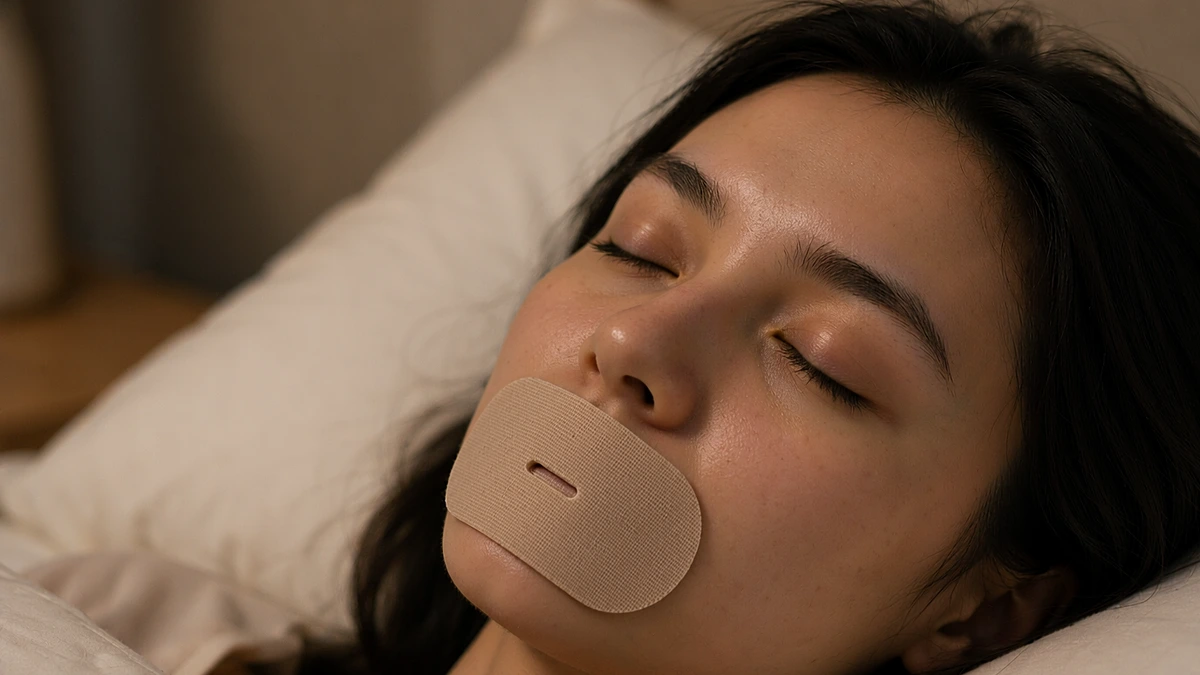
Choosing mouth tape for sensitive skin involves more than finding a product that stays in place overnight. The skin around the lips is exposed to movement, moisture, and repeated adhesive contact, which can lead to redness, itching, or discomfort during removal.
For people with sensitive skin, the most important factors are adhesive composition, backing material, product shape, and how easily the tape can be removed. Understanding these differences makes it easier to compare products without relying solely on claims such as "gentle" or "hypoallergenic."
What Is the Best Mouth Tape for Sensitive Skin?
Quick Answer
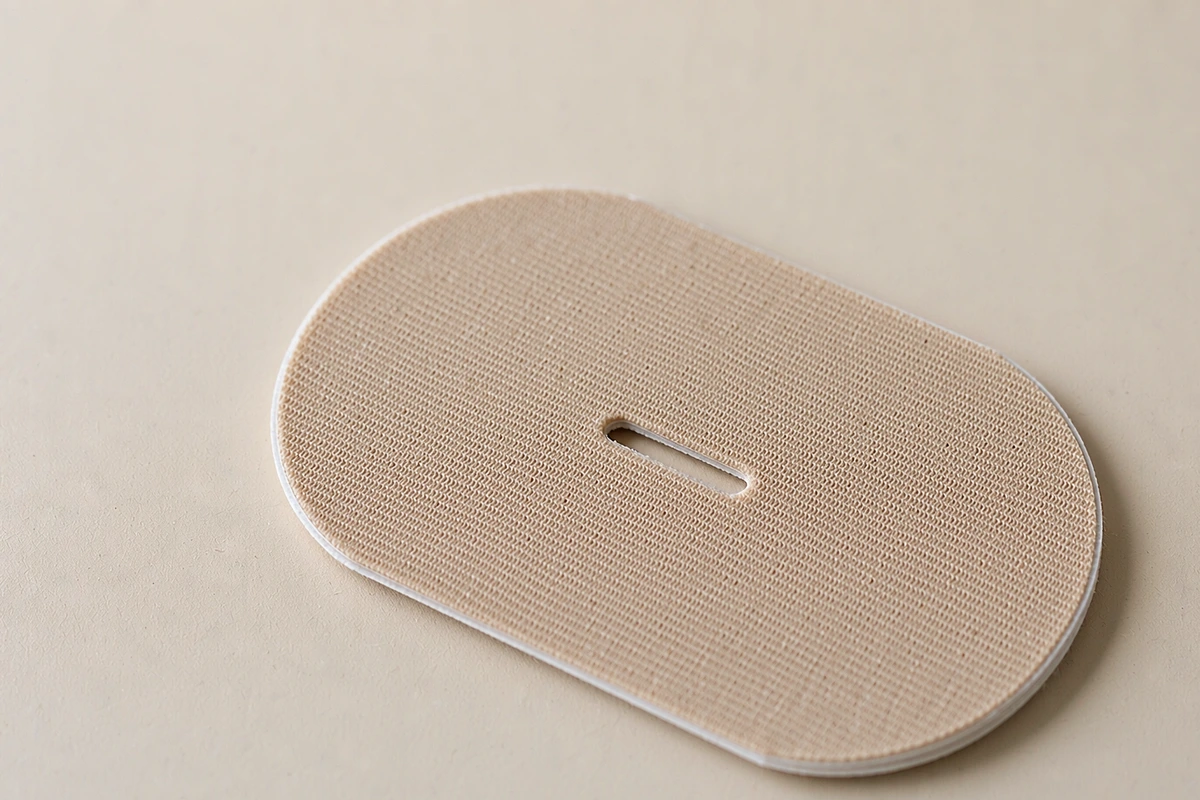
The best mouth tape for sensitive skin should use an adhesive intended for skin contact, have a soft and flexible backing, cover only the necessary area, and allow comfortable removal. Look for clear material information and relevant skin compatibility evidence rather than assuming that a hypoallergenic label guarantees protection against irritation.
A product that stays firmly attached is not necessarily the most suitable option. For sensitive skin, balanced adhesion and gentle removal may be more important than maximum holding strength.
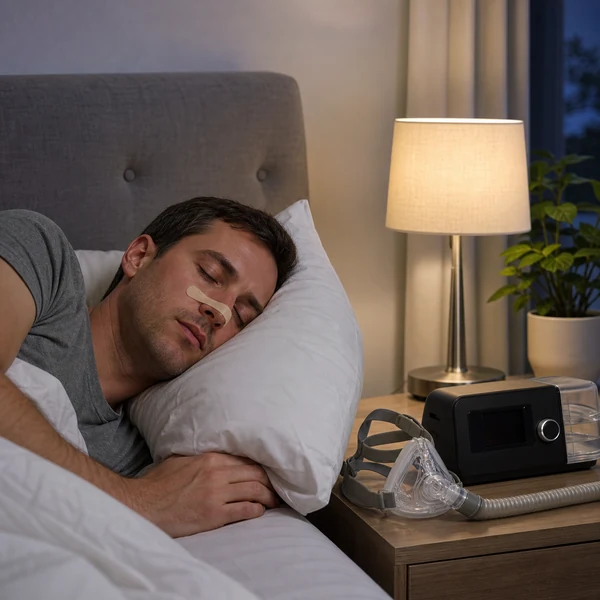
Mouth taping also has breathing-related risks. It is not recommended for people with nasal obstruction, suspected or untreated sleep apnea, or difficulty breathing through the nose without medical guidance. Mouth tape should not be considered a treatment for sleep disorders.
What Causes Mouth Tape Skin Irritation?
Mouth tape skin irritation can occur when adhesives interact with the skin for several hours or when the tape is repeatedly applied and removed. The cause is not always an allergic reaction. Mechanical pulling, friction, trapped moisture, and existing skin sensitivity can also contribute.
Understanding the difference between irritation and allergy helps users recognize when a product may be unsuitable.
How Can Mouth Tape Adhesive Cause Skin Irritation?
Adhesives hold tape against the skin, but removing them can pull on the outer skin layers. This is particularly noticeable when the tape has strong adhesion, the surrounding skin is dry, or the product is removed too quickly.
Repeated application to the same area may increase discomfort, especially if the skin has already become irritated.
A gentle adhesive mouth tape should provide appropriate adhesion without requiring excessive force during removal. However, the actual removal experience depends on the complete product design, not simply the adhesive label.
Can Mouth Tape Adhesive Cause an Allergic Reaction?
Yes. Certain adhesive ingredients can trigger allergic contact dermatitis in susceptible individuals. Symptoms may include itching, redness, swelling, or a rash that persists after the tape has been removed.
An allergic reaction differs from irritation caused by pulling or friction, although the symptoms can look similar. People with recurring reactions to medical tape or adhesive patches may benefit from professional allergy evaluation.
These are possible explanations, not a method of diagnosing skin conditions. Persistent or severe reactions require professional assessment.
| Skin reaction | Possible cause | What to do |
|---|---|---|
| Temporary redness after removal | Friction or mechanical pulling | Stop if irritation develops and review the removal method |
| Persistent itching or rash | Possible adhesive allergy or irritation | Discontinue use and consult a healthcare professional if symptoms persist |
| Dryness or peeling | Repeated adhesive contact or skin barrier damage | Allow the skin to recover and avoid applying tape to damaged areas |
| Blistering or significant swelling | More serious skin reaction or injury | Stop using the product and seek medical attention |
How to Choose the Right Mouth Tape for Sensitive Skin
When comparing products, it is useful to evaluate the adhesive, backing material, contact area, and removal experience together. A soft material alone does not make the finished product suitable for sensitive skin.
The following factors can help guide product selection.
| Selection factor | What to look for | Why it matters |
|---|---|---|
| Adhesive | Skin-contact-appropriate formulation and suitable peel characteristics | Helps balance adhesion with removal comfort |
| Backing material | Soft, flexible material with appropriate breathability | Helps the tape move with the skin and manage moisture |
| Shape and size | Design that avoids unnecessary adhesive coverage | Reduces the area exposed to adhesive |
| Removal | Clear instructions and an accessible removal edge | Helps reduce pulling and discomfort |
| Ingredients | Disclosure of relevant adhesive components and additives | Helps people identify potential sensitivities |
| Testing information | Evidence relevant to the finished product | Provides stronger support than marketing claims alone |
What Makes a Gentle Adhesive Mouth Tape?
A suitable adhesive should maintain contact under its intended conditions while allowing removal with minimal unnecessary pulling.
Some soft silicone medical adhesives are designed for gentler removal than certain conventional adhesive systems. Acrylic-based adhesives are also widely used in skin-contact products. Neither adhesive family can be considered universally suitable or unsuitable for sensitive skin.
Performance depends on formulation, adhesive coating, backing structure, wear conditions, and individual skin response.
For users with known adhesive sensitivities, ingredient information and professional guidance are more reliable than choosing by adhesive category alone.
Which Breathable Mouth Tape Materials Are Suitable?
Cotton, rayon, bamboo fiber, and other soft materials are used in mouth tape products. These materials differ in flexibility, surface texture, and moisture behavior.
Breathable mouth tape materials may improve comfort around the contact area, but breathability does not guarantee that the product will prevent skin irritation. Adhesive chemistry and removal characteristics remain important.
For example, a cotton backing may feel soft against the skin, but it can still cause discomfort if paired with an unsuitable adhesive. Similarly, a smooth synthetic backing may be comfortable for one user but not another.
The finished product should therefore be evaluated as a complete material-and-adhesive system.
Is Hypoallergenic Mouth Tape Better for Sensitive Skin?
Hypoallergenic mouth tape may be worth considering for people who have experienced discomfort with ordinary adhesive products. However, the term "hypoallergenic" does not mean allergy-free.
Products carrying this description may use different adhesives, backing materials, and testing approaches. The label alone does not establish how an individual user's skin will respond.
A better selection process involves reviewing the product's material information, intended use, skin-contact evidence, and known personal sensitivities.
For brands, any hypoallergenic claim should be supported by appropriate evidence for the finished product and its target market.
How Can You Prevent Mouth Tape Skin Irritation?
Reducing irritation begins with recognizing whether the skin is suitable for adhesive contact. Even careful application cannot eliminate the possibility of an allergic reaction or make mouth taping appropriate for someone with breathing difficulties.
If a healthcare professional has confirmed that mouth taping is appropriate, following the product's instructions and using careful removal techniques may help reduce mechanical skin irritation.
How Should You Prepare Your Skin Before Applying Mouth Tape?
Inspect the skin around the mouth before applying any adhesive product. Avoid tape on cracked lips, active eczema, broken skin, rashes, or other irritated areas.
The skin-contact area should be clean and dry according to the manufacturer's instructions. Oils, heavy creams, and skincare residue may affect adhesive contact, while applying tape over recently irritated skin can worsen discomfort.

Do not stretch the tape or surrounding skin during application. Excess tension can increase pulling as facial muscles move.
People with a history of adhesive allergies should seek professional advice before trying a new product. A short trial while awake may reveal immediate discomfort, but it cannot reliably exclude delayed allergic reactions.
How Should You Remove Mouth Tape Without Irritation?
Removing adhesive slowly can help reduce mechanical stress on the skin.
3M recommends supporting the skin near the tape and removing it slowly, close to the skin surface, rather than pulling upward at a steep angle.
For mouth tape, follow the specific manufacturer's removal instructions. Avoid sudden pulling, particularly around delicate or already irritated skin.
If the tape causes pain, peeling, or skin damage, discontinue use rather than repeatedly applying it to the same area.
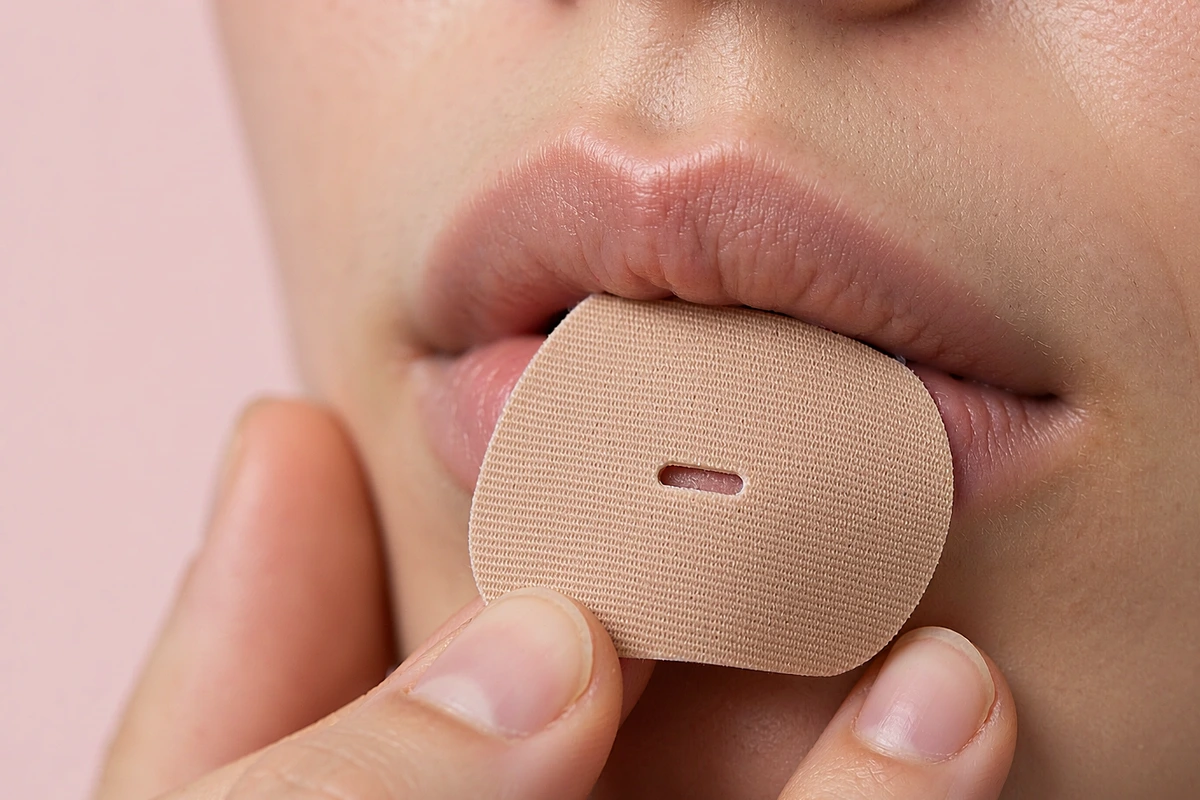
Which Mouth Tape Features Matter for Different Skin Types?
Sensitive skin can involve different concerns, including dryness, a history of adhesive reactions, facial hair, or sensitivity associated with skincare routines.
These situations may call for different product characteristics. No single adhesive or backing material is suitable for every user.
The most useful comparison is not simply which product is strongest or softest, but which design is appropriate for the user's skin condition and intended use.
For people who repeatedly develop irritation, choosing a different adhesive product may not resolve the underlying problem. Professional advice may be necessary.
| Skin concern | Product characteristics to consider | Important limitation |
|---|---|---|
| Easily irritated skin | Appropriate adhesion, comfortable removal, limited contact area | No product can guarantee irritation-free use |
| Dry skin around the lips | Soft backing and reduced pulling during removal | Avoid applying tape to cracked or damaged skin |
| History of adhesive allergy | Ingredient transparency and relevant testing information | Known allergens should be avoided |
| Facial hair around the mouth | Shape, size, and adhesive contact area | Removal may pull facial hair and irritate skin |
| Skin affected by active skincare ingredients | Current skin condition and adhesive compatibility | Do not apply over inflamed or compromised skin |
How Does Athena Customize Mouth Tape for Sensitive Skin?
For brands developing sensitive-skin mouth tape products, material selection and adhesive performance are important parts of product differentiation.
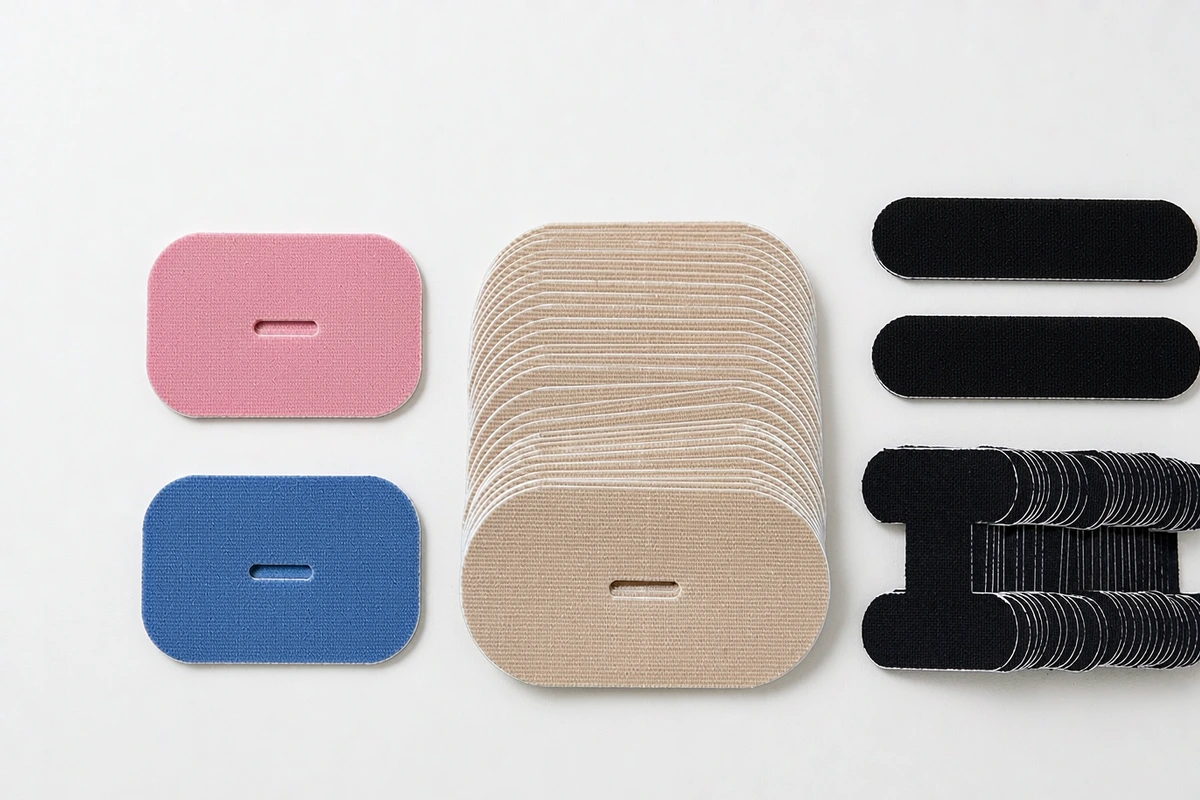
Athena offers custom mouth tape solutions with cotton, rayon, icy cotton, and bamboo fiber material options. Its product range includes pain-free mouth tape, high-adhesion options, moisturizing mouth patches, and other custom designs.
These options provide different starting points for brands seeking to balance adhesion, flexibility, comfort, and product positioning.
What Materials and Adhesives Can Brands Customize?
Athena supports customization of backing materials, shapes, sizes, adhesive feel, liner design, and packaging. Brands can use these options to develop products for different user preferences and market requirements.
For example, a comfort-focused private label mouth tape line may prioritize a soft backing, suitable adhesion, and comfortable removal. A different product line may place greater emphasis on holding performance during its intended wear period.
Such differences should be assessed through finished-product samples rather than assuming that one material or adhesive design will perform best for every application.
Athena can work with brands to clarify product requirements and evaluate sample options before production.
What Should Brands Check Before Mass Production?
Before confirming a custom mouth tape product, brands should evaluate whether the finished design meets the intended material, performance, and labeling requirements.
Important considerations include adhesive composition, peel behavior, skin-contact compatibility, backing flexibility, packaging, and batch-to-batch consistency.
Brands planning to market products for sensitive skin should also confirm the available supporting documentation before making claims about low irritation, allergy risk, or extended wear.
Athena's customization process includes requirements communication, material selection, sample development, and sample approval before mass production.
Explore Athena's Custom Mouth Tape Solutions
Looking for soft backing materials, different adhesive options, or private-label packaging? Explore Athena's mouth tape range and discuss the requirements of your next product line.
Who Should Avoid Using Mouth Tape?
Mouth tape is not suitable for everyone, regardless of how gentle the adhesive may feel.
People with blocked nasal passages, chronic nasal congestion, suspected or untreated sleep apnea, or other breathing difficulties should consult a healthcare professional before considering mouth taping. It is also unsuitable for use over damaged or actively irritated skin.
Loud snoring, gasping during sleep, and excessive daytime sleepiness can indicate an underlying sleep disorder that requires proper evaluation.
Evidence supporting the proposed sleep benefits of mouth taping remains limited. Mouth tape should not be presented as a treatment for sleep apnea or a substitute for medical care.
Frequently Asked Questions About Mouth Tape for Sensitive Skin
1. Is mouth tape safe for sensitive skin?
Mouth tape can cause skin irritation even when it is marketed as gentle or hypoallergenic. Adhesive ingredients, backing materials, wear time, and removal methods all influence skin response. People with adhesive allergies, damaged skin, or recurring reactions should seek medical guidance before using it. Breathing-related risks must also be considered.
2. Can hypoallergenic mouth tape still cause an allergic reaction?
Yes. Hypoallergenic does not mean that a product is completely free of potential allergens. Some users may react to adhesive ingredients or other components. If itching, swelling, or persistent redness develops, discontinue use. A dermatologist can help distinguish allergic contact dermatitis from irritation caused by friction or removal.
3. What adhesive is best for mouth tape for sensitive skin?
There is no single adhesive that works best for everyone. Some soft silicone medical adhesives are designed for gentle removal, while other skin-contact adhesive systems may also be suitable depending on their formulation. Consider the finished product's peel characteristics, ingredient information, and skin compatibility evidence rather than relying on adhesive type alone.
4. Why does mouth tape leave red marks around my lips?
Red marks may result from adhesive pulling, friction, moisture, or sensitivity to an ingredient. Brief redness does not automatically mean an allergy, but persistent itching, swelling, or a recurring rash should not be ignored. Stop using the tape if irritation develops, and avoid applying adhesive over skin that has not recovered.
5. Does breathable mouth tape prevent skin irritation?
Breathable materials may improve comfort by helping manage moisture around the contact area, but they cannot guarantee protection against irritation. The adhesive, product shape, application, removal, and condition of the skin also matter. A breathable backing combined with an unsuitable adhesive may still cause redness or discomfort.
6. Can I use mouth tape if I have eczema around my lips?
Do not apply adhesive tape over active eczema, cracked skin, or inflamed areas. Adhesive contact and removal may worsen irritation or further damage the skin barrier. If you have recurring eczema around the mouth or a history of adhesive reactions, consult a dermatologist before considering any adhesive product in that area.
7. Can I wear mouth tape every night if I have sensitive skin?
Repeated adhesive contact and removal may irritate sensitive skin, particularly when the same area is covered every night. Evidence is insufficient to establish that nightly mouth taping is safe or beneficial for everyone. If redness, soreness, or other reactions develop, stop using the product and seek appropriate advice rather than switching to stronger adhesion.
Conclusion
Choosing mouth tape for sensitive skin requires attention to more than adhesive strength or a hypoallergenic label. The backing material, adhesive formulation, contact area, removal behavior, and product information all influence the overall experience.
For consumers, skin tolerance and breathing safety should guide the decision. For brands developing sensitive-skin product lines, thoughtful material selection, finished-product evaluation, and appropriate testing help support more credible product positioning.
References
3M. Medical Tapes, Wraps and Securement Devices: Application and Removal Guide. 3M Company.