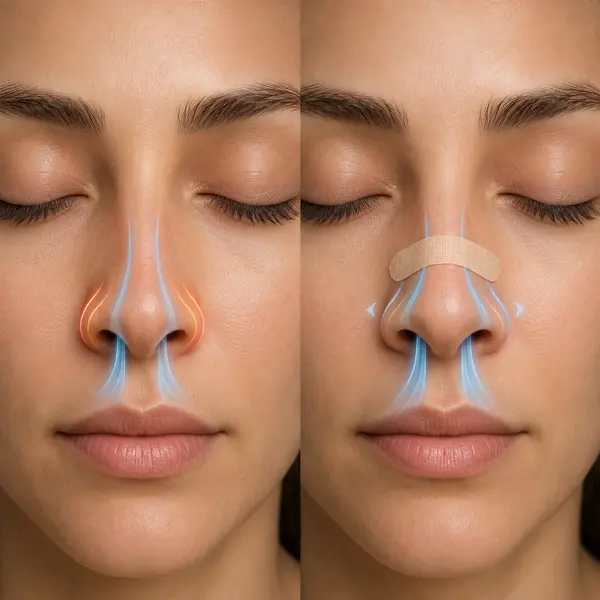
Is Mouth Taping Safe If Your Nose Gets Stuffy at Night?
Date:2026-10-31
Read:33
source: Zoey

Your nose feels clear when you go to bed, so using mouth tape might seem harmless. But what if you wake up a few hours later with one nostril blocked, or both sides feel congested because of allergies or a cold?
That's the part of mouth taping many bedtime routines overlook. Nasal airflow can change after you fall asleep, and being able to breathe through your nose at bedtime doesn't guarantee that it will remain comfortable all night.
Before using mouth tape, it's worth understanding what happens when nasal breathing becomes restricted during sleep—and why a nasal strip isn't necessarily a solution to that risk.
Quick Answer
No. Mouth taping is not recommended when your nose is stuffy or blocked at night. Restricting mouth breathing while nasal airflow is limited may cause breathing difficulties and distress. If congestion regularly develops after you fall asleep, avoid mouth tape and address the nasal problem first.
Key Takeaways
- Mouth tape does not open a blocked nose or treat nasal congestion.
- A clear nose at bedtime doesn't guarantee comfortable nasal breathing throughout the night.
- Allergies, colds, and structural nasal problems can make mouth taping particularly risky.
- Nasal strips may help some people with resistance near the nostrils, but they cannot make mouth taping automatically safe.
- Persistent nighttime congestion, gasping, or suspected sleep apnea deserves medical evaluation.
Why Is Mouth Taping Risky When Your Nose Is Blocked?
Mouth taping becomes risky when your nose cannot provide a comfortable route for breathing. Restricting the mouth removes or limits another route that you may need if nasal airflow becomes difficult.
During sleep, most people are not consciously monitoring how easily air passes through their nose. If nasal resistance increases, they may naturally open their mouth to breathe. A strip of tape that holds the lips closed can interfere with that response.
Someone with a mildly stuffy nose might experience discomfort, anxiety, or repeated awakenings. More significant obstruction raises greater concern about breathing difficulty, particularly when an underlying sleep-related breathing disorder is also present.
Cleveland Clinic specifically advises against mouth taping for people with nasal congestion or obstruction, chronic allergies, sinus infections, or certain anatomical airway problems. It also notes possible skin irritation, anxiety, and disturbed sleep. [1]
The concern is supported by a 2025 systematic review of mouth taping and related oral-occlusion methods. Among ten included studies involving 213 participants, only a small number showed improvements in selected sleep-related measurements. Several studies found no meaningful benefit, while the reviewers identified potential harm when nasal obstruction was present. [2]
The practical issue is straightforward: keeping your lips closed doesn't remove the reason you needed to breathe through your mouth.
What If Your Nose Gets Stuffy After You Fall Asleep?
If your nose regularly becomes congested during the night, being able to breathe comfortably at bedtime is not enough to establish that mouth taping is appropriate.
Imagine going to sleep with both nostrils relatively clear. A few hours later, one side feels blocked and the other becomes harder to breathe through. Without mouth tape, you may open your mouth when nasal breathing becomes uncomfortable. With your lips held closed, that alternative may be restricted.
This is particularly relevant to people whose congestion changes with sleeping position, room conditions, or allergies.
Your nasal passages don't stay in exactly the same state all night. The normal nasal cycle changes the amount of airflow passing through each nostril, while lying down can make swelling inside the nose more noticeable. If you already have inflammation or a narrow nasal passage, these changes may become uncomfortable.
Athena's guide to why one nostril gets blocked at night explains these positional and physiological factors in more detail.
Why Can Your Nose Feel Clear Before Bed but Blocked Later?
Several things may contribute to congestion that becomes noticeable only after lying down.
The nasal tissues contain blood vessels that can swell and reduce the space available for airflow. Sleeping position can influence these changes, while exposure to dust mites, pet allergens, or other bedroom irritants may increase nasal inflammation.
A cold or existing rhinitis can make the problem less predictable. You might breathe comfortably for part of the evening but develop more noticeable obstruction later.
The important point is not that everyone will experience dangerous congestion during sleep. It's that someone with a recurring history of nighttime nasal blockage shouldn't rely on a brief period of clear breathing before bed as proof that sealing the mouth is safe.
If you've already noticed a pattern of waking with a blocked nose, the more useful next step is to understand that pattern rather than trying to prevent mouth opening.
Does Mouth Tape Help With Nasal Congestion?
No. Mouth tape does not physically widen the nasal passages, reduce swollen nasal tissues, clear mucus, or correct an anatomical obstruction.
Its purpose is to limit mouth opening. It may change how someone attempts to breathe, but it doesn't improve the underlying capacity of a congested nose to carry air.
This distinction often gets lost in social media discussions about nasal breathing. The fact that breathing through the nose is a normal, useful function doesn't mean restricting the mouth will resolve a problem inside the nose.
A 2026 systematic review and meta-analysis published in OTO Open examined nasal obstruction and sleep-apnea-related measurements. It found that induced nasal obstruction was associated with worsening indicators such as the apnea-hypopnea index and oxygen desaturation index. [3]
The same review could only summarize two mouth-taping studies, which were too few to support a pooled analysis. Some preliminary findings suggested possible benefits in selected adults with mild obstructive sleep apnea, but the authors emphasized the lack of broad safety and effectiveness data.
Those findings don't demonstrate that mouth taping is a treatment for nasal congestion. Nor do they establish that someone with variable nighttime nasal blockage can safely use it without medical guidance.
A blocked nose needs to be assessed on its own terms, whether or not mouth breathing is also present.
When Should You Avoid Mouth Taping?
Avoid mouth taping when you cannot breathe comfortably through your nose, particularly if congestion is recurring, unpredictable, or associated with another breathing problem.
The type of nasal symptom matters because it can help explain why airflow becomes difficult. It doesn't provide a way to make mouth taping safe in the presence of obstruction.
A deviated septum, enlarged nasal tissues, or nasal valve narrowing can also make breathing feel different between the two sides. Even if a person has become accustomed to that sensation, persistent obstruction deserves attention before considering any method that restricts mouth breathing.
People with loud habitual snoring, waking headaches, pronounced daytime sleepiness, or episodes of choking during sleep should ask a clinician about possible sleep-disordered breathing. Mouth tape is not a replacement for diagnosis or established treatment.
The question isn't simply whether adhesive tape feels comfortable on your skin. It's whether restricting the mouth could interfere with breathing when your nose becomes less open.
| Nighttime breathing situation | What to do about mouth taping | Why it matters |
|---|---|---|
| Your nose is already blocked before bed | Avoid it | Nasal airflow is restricted before sleep begins |
| Your nose often becomes stuffy after you fall asleep | Avoid it and investigate the pattern | Airflow may change after you're no longer awake to monitor it |
| You have a cold, sinus infection, or active nasal allergies | Avoid it while breathing is affected | Inflammation and congestion may reduce nasal airflow |
| One nostril stays blocked most nights | Seek evaluation before considering it | Persistent one-sided obstruction may have an anatomical or inflammatory cause |
| You wake gasping or have witnessed breathing pauses | Seek medical assessment | A sleep-related breathing disorder may be present |
| A nasal strip makes your nose feel clearer | Don't assume that makes mouth taping safe | Improved comfort doesn't guarantee an unobstructed airway all night |
Can Nasal Strips Make Mouth Taping Safer?
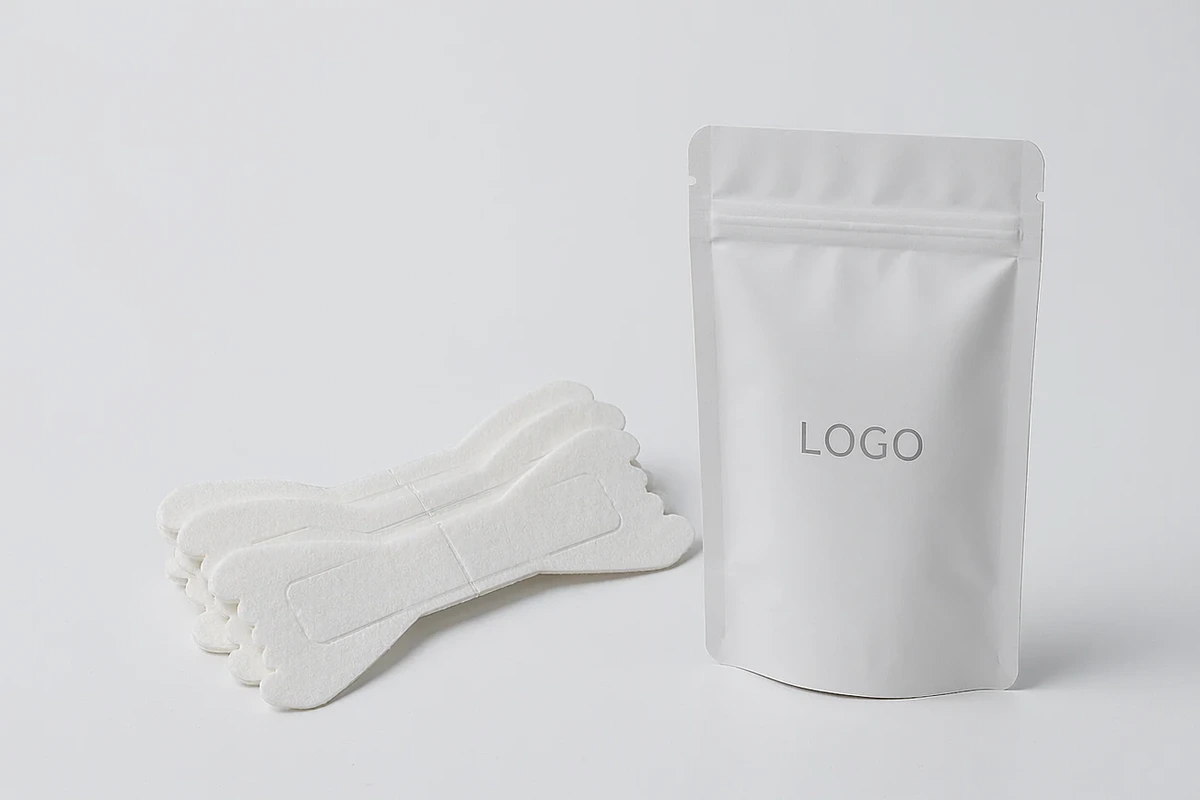
A nasal strip may make breathing through the front part of the nose feel easier for some people, but that does not establish that combining it with mouth tape is safe.
External nasal strips use a flexible support structure to gently lift the nasal sidewalls. When resistance is concentrated near the nasal valve area, this mechanical support can increase the space available for airflow.
Their effect is local. A nasal strip doesn't directly treat allergic inflammation, clear a sinus infection, or guarantee that the deeper nasal passages will remain open throughout the night.
That's why the two products shouldn't be treated as an automatic pair. A nasal strip and mouth tape perform different functions, and adding one doesn't cancel the limitations of the other.
An online r/sleep discussion about using nose strips and mouth tape together includes personal reports of better sleep and less nighttime waking. Those experiences explain why the combination appeals to some users, but they do not establish its safety for people whose nasal breathing becomes restricted during sleep.
Does a Mouth Tape With a Hole Change the Risk?
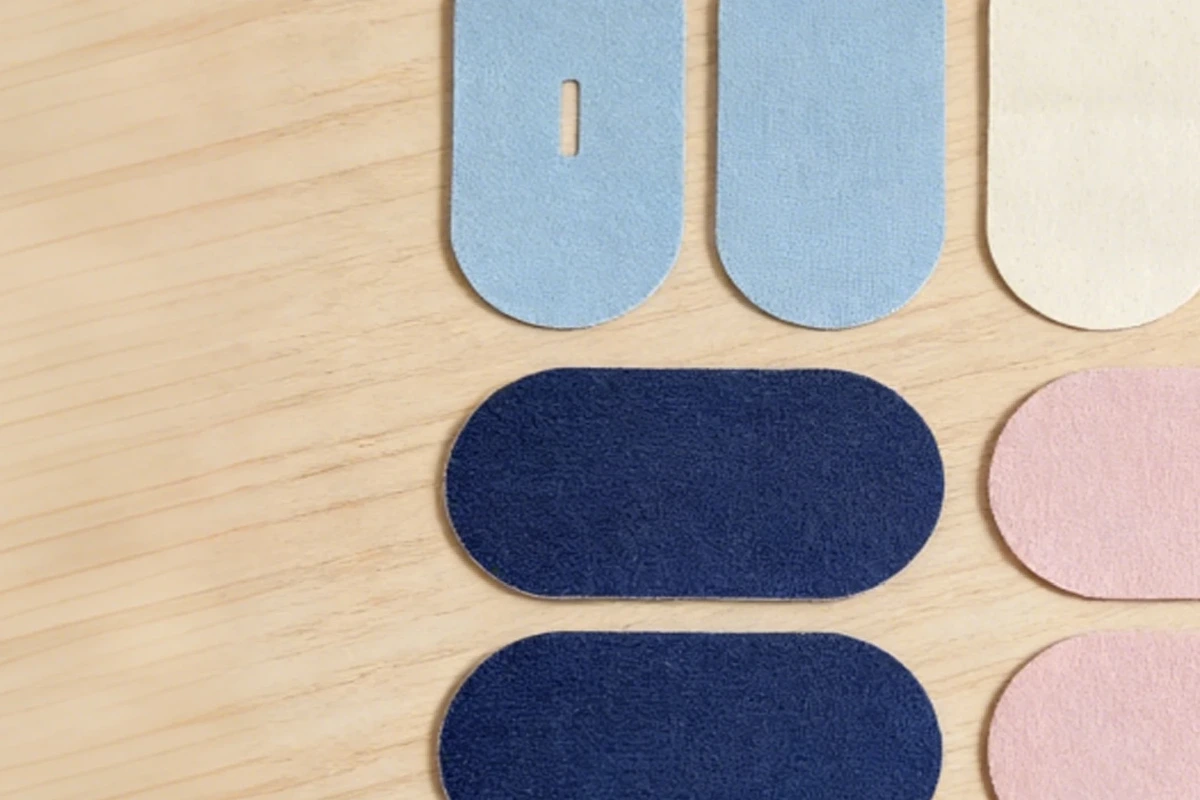
Some mouth tape products use a central opening, a perforated design, or a shape that leaves more of the lips accessible. These designs are not identical to a strip that seals the mouth completely.
However, the presence of an opening does not prove that the product is safe for someone with nasal obstruction. The ability to open the mouth, the amount of restriction, adhesive behavior, and the wearer's breathing condition all matter.
More importantly, there is not enough evidence to claim that a particular opening or tape shape makes overnight use safe for everyone with congestion.
If the nose is blocked, selecting a different tape design should not replace addressing the breathing problem.
What Should You Do If Nasal Breathing Becomes Difficult at Night?
If nasal breathing is difficult, skip mouth taping and focus on finding out why your nose becomes congested.
The first useful step is noticing the pattern. Does congestion appear immediately after lying down? Does it alternate between nostrils when you turn over? Does it happen mainly during allergy season or when you're sick? Or does the same side remain blocked night after night?
These details can help a healthcare professional distinguish a temporary trigger from persistent nasal inflammation or structural narrowing.
For mild congestion, measures such as reducing known bedroom allergens or using a saline nasal spray may provide relief for some people. A saline rinse may also be appropriate when used according to instructions, with sterile, distilled, or previously boiled and cooled water.
If symptoms occur frequently, ask a clinician whether allergies, chronic rhinitis, or another nasal condition may be involved. Medical treatment should address the cause rather than simply encouraging the mouth to stay closed.
If you wake up with mouth tape on and feel unable to breathe comfortably, remove it and allow yourself to breathe freely. Do not continue wearing it while trying to force nasal breathing.
Seek urgent medical help for severe or persistent breathing difficulty, especially if accompanied by chest pain, confusion, or blue lips.
What If You Keep Waking Up With a Dry Mouth?
Morning dry mouth can have several causes, including mouth breathing, medication effects, dehydration, nasal congestion, and sleep-related breathing problems.
It can be tempting to treat the symptom by keeping your lips closed, but frequent dry mouth doesn't tell you why your mouth opens during sleep.
If your nose is congested or you're waking repeatedly, identifying the cause is a better starting point than adding tape. Persistent symptoms may warrant a discussion with a doctor, dentist, or sleep specialist.
Frequently Asked Questions
Is It Safe to Tape Your Mouth Shut at Night?
Mouth taping isn't recommended for people with nasal congestion, nasal obstruction, or suspected sleep-related breathing disorders. Evidence supporting routine use is limited, and restricting the mouth can create problems if nasal airflow becomes difficult. Talk with a healthcare professional before considering the practice.
Can You Use Mouth Tape When You Have Allergies?
Avoid mouth taping when allergies are causing nasal blockage or unpredictable nighttime congestion. Treating the allergic symptoms and ensuring comfortable nasal breathing should come first. Persistent or severe symptoms may require medical evaluation.
What If Only One Nostril Is Blocked at Night?
One-sided congestion can be related to the normal nasal cycle, sleeping position, inflammation, or anatomical narrowing. But having one nostril that feels clear doesn't necessarily establish that mouth taping is appropriate, especially when the other side regularly becomes obstructed.
Can Mouth Tape Treat Snoring or Sleep Apnea?
Mouth tape is not an established treatment for obstructive sleep apnea. Research findings are limited and mixed, and snoring can have causes that mouth taping doesn't address. Loud habitual snoring, witnessed breathing pauses, gasping, or marked daytime sleepiness should be evaluated professionally.
Is Mouth Tape With a Breathing Hole Safe for a Blocked Nose?
A breathing hole may change how a tape restricts the lips, but it doesn't treat nasal blockage or establish that the product is safe when nasal breathing is impaired. Product design alone cannot replace evaluation of the underlying problem.
Final Thoughts
If your nose becomes stuffy at night, restricting mouth breathing isn't a reliable way to improve sleep. A nose that feels clear at bedtime may become congested later, and mouth tape does nothing to remove the cause.
The better starting point is to understand the nighttime congestion, address any treatable nasal problems, and seek advice when breathing or sleep is repeatedly disrupted.
For wellness brands developing sleep accessories, this distinction matters in product design and communication. Athena's custom mouth tape solutions include options for materials, shapes, adhesive feel, and packaging. Those features can be evaluated for comfort and intended use, but they should never be presented as proof that mouth taping is safe for someone with nasal obstruction.
References
Cleveland Clinic. Is Mouth Tape Safe To Use While Sleeping? July 25, 2025.
Rhee et al.. Breaking Social Media Fads and Uncovering the Safety and Efficacy of Mouth Taping in Patients With Mouth Breathing, Sleep Disordered Breathing, or Obstructive Sleep Apnea: A Systematic Review. 2025.
Alshehri NA, et al.. Impact of Nasal Obstruction and Mouth Taping on Sleep Apnea Indicators: Systematic Review and Meta-Analysis. OTO Open, August 27, 2026.
Sections
13 July 2026
The best nasal strips are not always the strongest, the most expensive, or the highest rated option. The right choice depends on how you plan to use them, such as for sleep, snoring, running, daily breathing comfort, sensitive skin, or temporary nasal congestion. A good nasal strip should balance lift, adhesion, comfort, and fit. Stronger adhesive may be useful for sports, while softer materials may be better for sleeping or sensitive skin. Read More