Do Pimple Patches Work Before a Pimple Comes to a Head?
Date:2026-10-31
Read:33
source: Zoey

You can feel a pimple forming before you can really see it. Maybe there's a tender spot on your chin, a small red bump on your cheek, or a firm area beneath the skin that hasn't developed a whitehead. Reaching for a pimple patch seems like an easy way to deal with it early. But will it actually help?
That depends on the type of patch and what's happening beneath your skin. A regular hydrocolloid patch and a microdart patch work differently, so using either one at the first sign of a breakout won't necessarily give you the same result.
Quick Answer
Regular hydrocolloid patches generally do little to treat a pimple before it comes to a head because there's no accessible surface fluid to absorb. They can still protect the spot from picking. Microdart patches are designed for earlier blemishes, but their effectiveness varies, and they cannot reliably prevent a breakout.
Key Takeaways
- Regular hydrocolloid patches are generally more useful when a blemish has accessible surface fluid.
- A patch over an early, closed bump may help prevent touching or picking, even if it absorbs nothing.
- Microdart patches use tiny projections to deliver ingredients into superficial skin layers, but results depend on the product.
- Deep, painful nodules and cysts need different attention from ordinary surface pimples.
- Choosing a patch depends on the blemish's stage, the condition of your skin, and the product's intended use.
Can You Put a Pimple Patch on an Incoming Pimple?
Yes, you can put a suitable pimple patch over an early bump, but it won't necessarily stop the breakout from developing.
When a pimple first starts forming, the skin surface is often still intact. You might notice tenderness or slight swelling without a visible white or yellow center. The inflammation is beneath the surface, where a conventional absorbent patch has little direct access.
A plain patch can still act as a physical barrier, especially if you tend to touch the area throughout the day. Keeping your fingers away from a tender spot may help prevent additional irritation, even if the patch doesn't make the bump smaller.
The important difference is between protecting a developing pimple and treating what causes it. If the bump is becoming larger or increasingly painful, pay attention to whether it resembles a typical surface blemish or something deeper. That matters more than how early you put on a patch.
Why Are Hydrocolloid Patches Less Effective Before a Whitehead Forms?
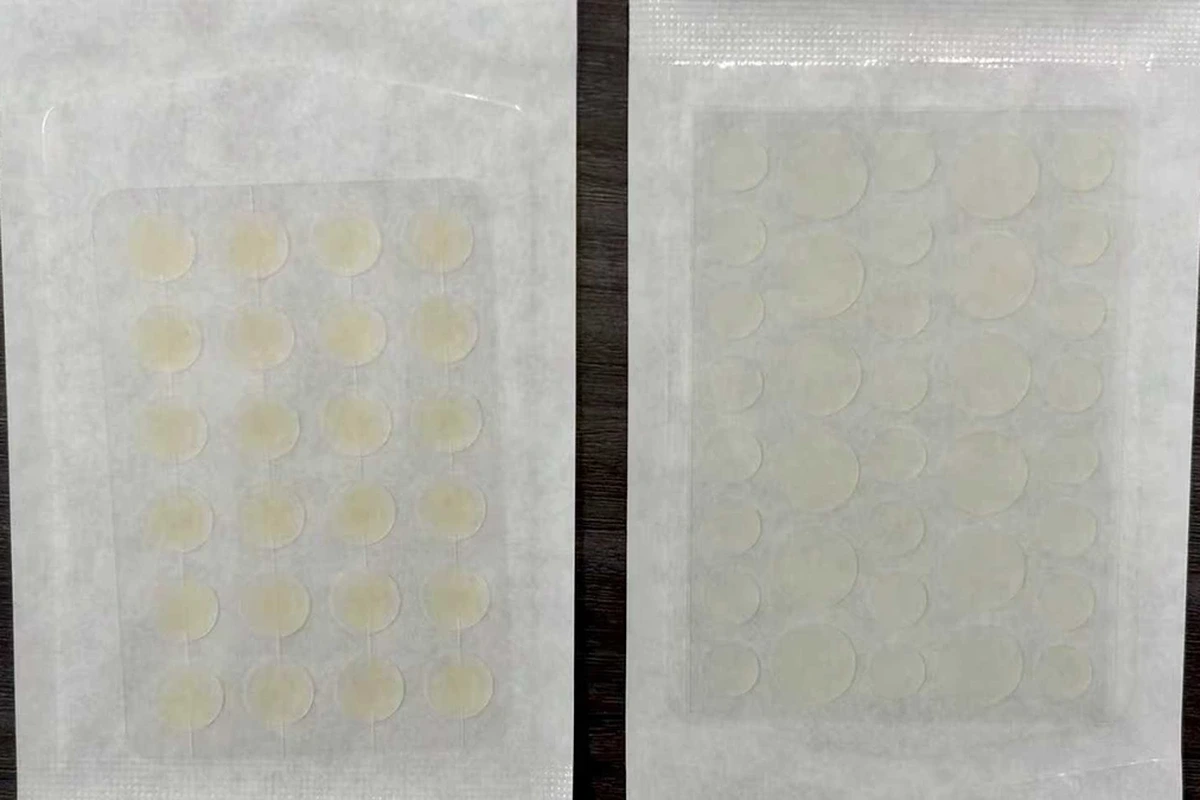
Hydrocolloid patches work best when there's moisture available at the skin surface. Before a whitehead forms, fluid may still be trapped beneath intact skin, leaving little for an ordinary hydrocolloid patch to absorb.
Hydrocolloid is a gel-forming material that absorbs moisture. It's particularly useful when a blemish has begun releasing fluid or needs protection from contact and picking. But it can't simply pull material through intact skin from a deep, closed bump.
That's why a patch may look almost unchanged after several hours. The product isn't necessarily defective; the blemish may not be at a stage where its absorbent material can do much.
An October 2026 review by Maitland Dermatology discusses this difference, noting that hydrocolloid patches are better supported for surface blemishes than for closed, developing pimples. [1]
The same confusion comes up in skincare discussions. One user in an r/AsianBeauty conversation described finding that a patch had remained clear after overnight use. Experiences like this raise a practical question: was there actually any surface fluid for the patch to absorb?
Some people assume they need to open the blemish first. Don't squeeze or puncture a closed pimple just to make a patch work. The American Academy of Dermatology warns that popping pimples can worsen inflammation and increase the risk of discoloration or scarring. [2]
Do Microdart Pimple Patches Work on Early Pimples?
Some microdart patches may help certain early-stage blemishes, but there isn't enough evidence to say that all microdart products reliably prevent or clear developing acne. Their effects depend on the formula, patch design, and type of blemish being treated.
Unlike plain hydrocolloid patches, microdart products are designed around localized ingredient delivery rather than surface fluid absorption. This makes them relevant when you feel a pimple developing but haven't seen a whitehead.
However, microdart patches aren't all formulated the same way. The structure and dissolution of the projections, the ingredients they contain, and the recommended application method can vary considerably between products.
Research offers some encouraging findings, although the evidence remains product-specific. A 2022 study of an anti-acne dissolving microneedle patch reported reductions in measured acne lesion volume during a 28-day study. [3]
That finding is relevant to the technology, but it shouldn't be interpreted as proof that every retail microdart patch will clear a developing pimple overnight. The tested formulation and treatment schedule matter.
For someone considering an early-stage patch, the more useful questions are whether it's intended for intact skin, which ingredients it contains, and what evidence supports its specific claims.
How Do Microdart Pimple Patches Work?
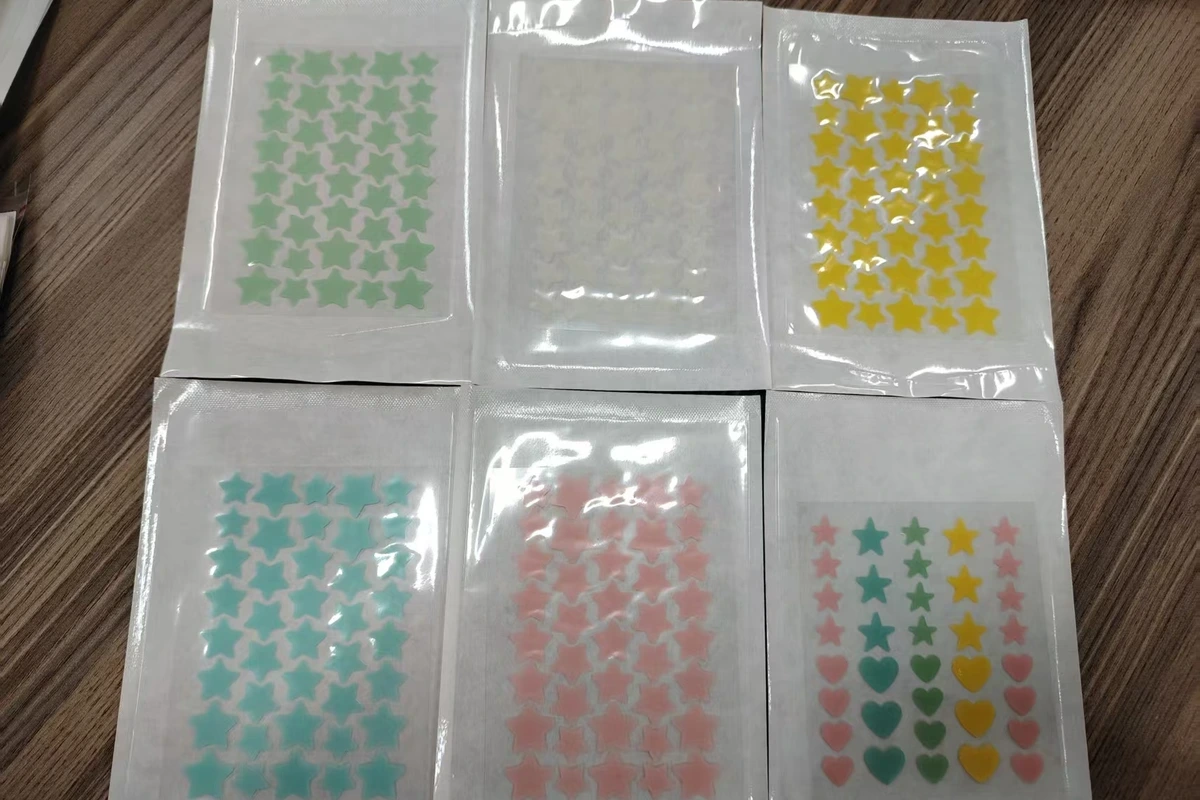
A microdart patch contains tiny projections, often made from dissolvable materials. When applied according to the product instructions, these projections are designed to enter superficial skin layers, where they may dissolve and release their ingredients.
The approach differs from a hydrocolloid patch, which absorbs moisture at the skin surface. Rather than waiting for a blemish to release fluid, a microdart design aims to deliver selected ingredients locally.
The details matter. Projection geometry, ingredient concentration, dissolution characteristics, and contact time can all influence how a finished patch performs. Two products may look similar while using different materials or formulations.
Simply including a familiar skincare ingredient also doesn't establish how effectively the completed patch delivers it. This is why studies involving one microneedle system need to be interpreted in the context of the actual product tested.
Can Microdart Patches Help Blind Pimples or Cystic Acne?
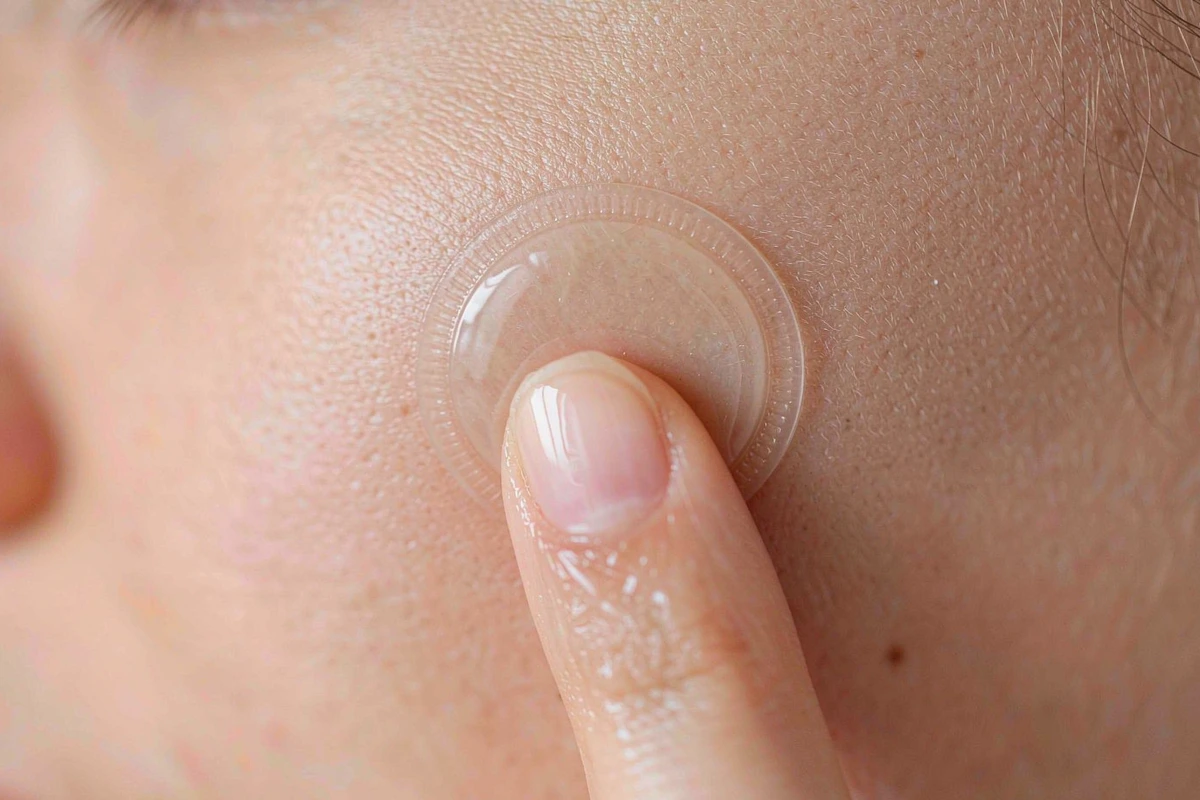
Microdart patches may be considered for some small, early blemishes beneath intact skin, but they are not a proven treatment for deep cystic acne. Large, painful, or persistent bumps may need professional care rather than a cosmetic patch.
A blind pimple is commonly described as a sore bump beneath the skin without a visible head. However, the term can refer to different kinds of lesions. A small developing bump isn't necessarily the same as a deep inflammatory nodule or cyst.
For an early blemish, a purpose-designed microdart patch may be an option if the product instructions support its use on intact skin. The same expectation shouldn't be applied to deep lesions, which can extend farther below the surface and may last longer or cause scarring.
The American Academy of Dermatology advises against squeezing deep, painful pimples and recommends professional assessment when they persist or when multiple deep lesions appear. [4]
It's also important to understand what clinical studies actually test. A 2023 randomized controlled trial investigated a detachable microneedle system containing triamcinolone acetonide, a prescription corticosteroid, for inflammatory acne. [5]
That treatment is substantially different from an ordinary cosmetic microdart patch. Its findings cannot be applied directly to products with different ingredients and delivery structures.
If a bump is becoming increasingly painful, keeps returning, or begins leaving scars, a dermatologist can help identify the type of acne and recommend appropriate treatment.
Which Pimple Patch Should You Use at Each Stage of a Breakout?
The best choice depends on what the blemish looks and feels like right now. A patch that helps protect a draining spot may offer little benefit for a firm bump beneath intact skin.
A visible white center doesn't always mean fluid is accessible to a patch. A closed whitehead covered by intact skin is different from a surface pustule that has started to drain.
That difference explains much of the frustration around patches that seem to work on one blemish but do little for another.
People also describe this distinction when comparing their own skincare routines. In an r/AsianBeauty discussion about patches and spot treatments, users discussed choosing regular patches for spots that had already surfaced while looking for options for painful bumps under the skin.
Rather than assuming one format is stronger, look at what each patch is intended to do and whether that function matches the blemish you're dealing with.
| What the blemish looks or feels like | What to consider | What not to expect |
|---|---|---|
| A slight red bump with intact skin and no visible head | A suitable protective patch or a product designed for early-stage blemishes | A guarantee that the pimple won't develop |
| A small, tender bump beneath the skin | A microdart product, if its intended use and instructions match | Proven treatment of all deeper inflammation |
| A visible surface pustule | Plain hydrocolloid may help, particularly when surface fluid is accessible | Immediate removal of everything inside the pore |
| A spot releasing a small amount of fluid | A hydrocolloid patch suitable for the skin condition | A substitute for care when infection is suspected |
| A large, painful, recurring nodule or cyst | Professional assessment and appropriate acne treatment | Reliable resolution from a cosmetic patch alone |
Are Microdart Pimple Patches Safe, and Do They Hurt?
Microdart patches can cause mild prickling or pressure during application, and some people may experience skin irritation. How comfortable a patch feels depends on its projection design, ingredients, adhesive, and your skin's sensitivity.
A brief sensation during application isn't necessarily a problem, but significant pain, persistent stinging, itching, or worsening redness shouldn't be ignored. These reactions may involve the adhesive, the microdart structure, or ingredients in the formula.
User experiences are mixed. In an r/AsianBeauty discussion about microneedle pimple patches, some participants described improvements in particular blemishes, while others reported irritation or lingering dark marks. Those accounts help illustrate what consumers pay attention to, although they don't establish how commonly such reactions occur.
Check the manufacturer's instructions before applying a microdart patch, especially if you already use retinoids, exfoliating acids, or other acne treatments. Layering active ingredients without product-specific guidance can increase the chance of irritation.
Avoid applying a microdart patch to broken, infected, or severely irritated skin unless the particular product is specifically intended for that condition. Stop using it if you develop substantial discomfort or a persistent reaction.
What Results Can You Realistically Expect?
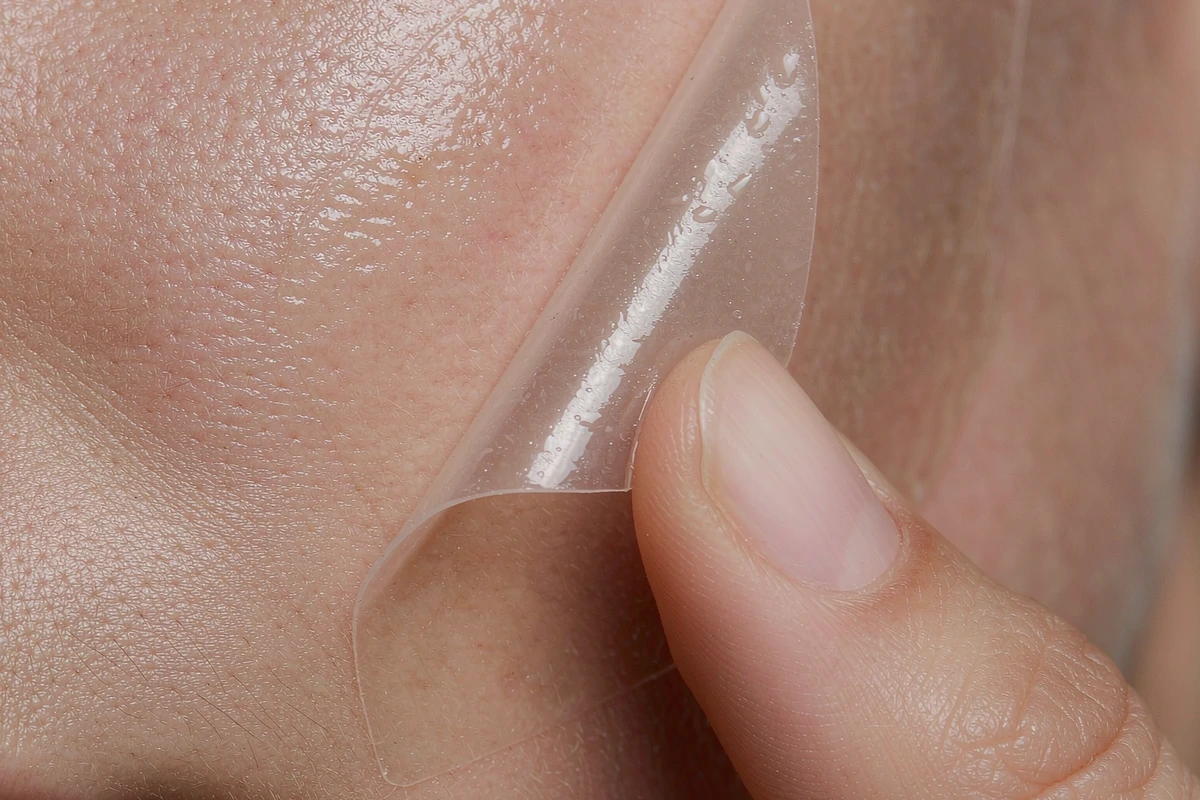
With a plain hydrocolloid patch, you may notice absorbed moisture when the blemish is releasing fluid. A cloudy or white center can indicate absorption, but it doesn't mean the entire pimple has disappeared. If the skin is intact and dry, the patch may remain clear.
Microdart results are harder to predict. Some studies involving particular microneedle formulations have reported improvements in measured acne lesions, but those findings depend on the ingredients, treatment schedule, study population, and outcomes assessed.
This is worth remembering when you see dramatic before-and-after photographs or claims about overnight results. A blemish may become less visible after using a patch, but acne can also change naturally over time. A photograph alone cannot establish how much of the improvement came from the product.
If you're deciding whether to try a microdart patch, check what it's intended to address, how it should be used, and whether its claims are supported by evidence for that formulation. It also helps to consider the cost and the possibility that a particular blemish won't respond as expected.
For brands, the same distinctions influence how different patch products are developed and described. A hydrocolloid design may emphasize surface coverage and moisture absorption, while a microdart product has different requirements for its projections, ingredients, application method, and instructions.
Athena provides custom acne patch solutions, including hydrocolloid and microneedle formats, with options for materials, formulations, dimensions, and packaging. Claims about the performance of a finished product should be based on its own formulation and evaluation rather than general assumptions about the technology.
Frequently Asked Questions
Will a Pimple Patch Bring a Pimple to a Head?
A plain hydrocolloid patch doesn't reliably make a closed pimple come to a head. It mainly absorbs accessible surface moisture and protects the area. If a whitehead appears later, that doesn't necessarily mean the patch caused it.
Should You Pop a Pimple Before Applying a Hydrocolloid Patch?
No. Don't squeeze or puncture a pimple simply to make a patch absorb more fluid. Picking can worsen irritation and increase the risk of scarring. If a blemish is already draining, follow the instructions for a patch suitable for that skin condition.
Can You Use a Microdart Patch on Broken Skin?
Not unless the specific product is intended for that use. Many cosmetic microdart patches are designed for intact skin, and applying them to broken or irritated areas may increase discomfort or other risks. Always check the product instructions.
Can You Use Microdart Patches With Other Acne Treatments?
It depends on the ingredients and directions for both products. Retinoids, exfoliating acids, and other active acne treatments may increase irritation when combined or covered. Check the instructions and seek professional advice if you're unsure.
How Often Can You Use a Microdart Pimple Patch?
There isn't a single recommended schedule for every microdart product. Frequency depends on the formulation, projection design, and intended use. Follow the directions for the specific patch rather than assuming more frequent application will give faster results.
Final Thoughts
If you notice a pimple forming beneath intact skin, don't expect a regular hydrocolloid patch to draw it out. A microdart patch may be an option if it's designed for that stage, but check its ingredients, directions, and supporting evidence.
For deep, painful, or persistent acne, seek professional advice rather than relying on patches alone.
References
Maitland Dermatology. Pimple Patches: What They Can Do, What They Cannot, and Which Kind to Buy. October 12, 2026.
American Academy of Dermatology. Pimple Popping: Why Only a Dermatologist Should Do It.
Tai M, et al.. Acne and Its Post-inflammatory Hyperpigmentation Treatment by Applying Anti-acne Dissolving Microneedle Patches. Journal of Cosmetic Dermatology, 2022.
American Academy of Dermatology. Tips to Treat a Deep, Painful Pimple.
Thantaviriya S, et al.. Efficacy and Safety of Detachable Microneedle Patch Containing Triamcinolone Acetonide in the Treatment of Inflammatory Acne. Clinical, Cosmetic and Investigational Dermatology, 2023.
Sections
23 April 2026
This article explains when mouth tape for snoring may be useful, where it tends to disappoint, and how to judge product fit without overpromising results. It focuses on the practical snoring scenario behind the search: mouth opening at night, dry mouth, partner complaints, and mild snoring that seems worse when the lips part during sleep. Read More