One Nostril Blocked at Night? Causes and What to Do
Date:2026-10-29
Read:47
source: Zoey
You breathe comfortably during the day, but as soon as you lie down to sleep, one nostril starts feeling blocked. Sometimes the congestion shifts when you turn onto your other side. On other nights, the same nostril stays difficult to breathe through, no matter how you position yourself.
If you're wondering why one nostril gets blocked at night, the answer often involves the nasal cycle, changes in blood flow when lying down, or swelling inside the nose. But not every case of one-sided nasal congestion is part of normal nasal function.
Understanding when this pattern is expected, and when it may point to another problem, can help you decide what to try and whether you need medical advice.
Quick Answer
One nostril may become blocked at night because the normal nasal cycle alternates airflow between sides, while lying down can increase swelling inside the nose. Allergies, inflammation, or structural narrowing may make the blockage more noticeable.
Key Takeaways
The nasal cycle naturally changes how much air passes through each nostril, even when you're healthy.
Lying down or sleeping on one side can make congestion more noticeable, particularly in the lower nostril.
A nostril that remains blocked on the same side may need evaluation for inflammation or structural narrowing.
Nasal strips may improve airflow through the front of the nose for some users, but they cannot treat every cause of congestion.
Persistent obstruction, significant sleep disruption, or other concerning symptoms should not be dismissed as a normal nasal cycle.
Is It Normal to Have One Blocked Nostril at Night?
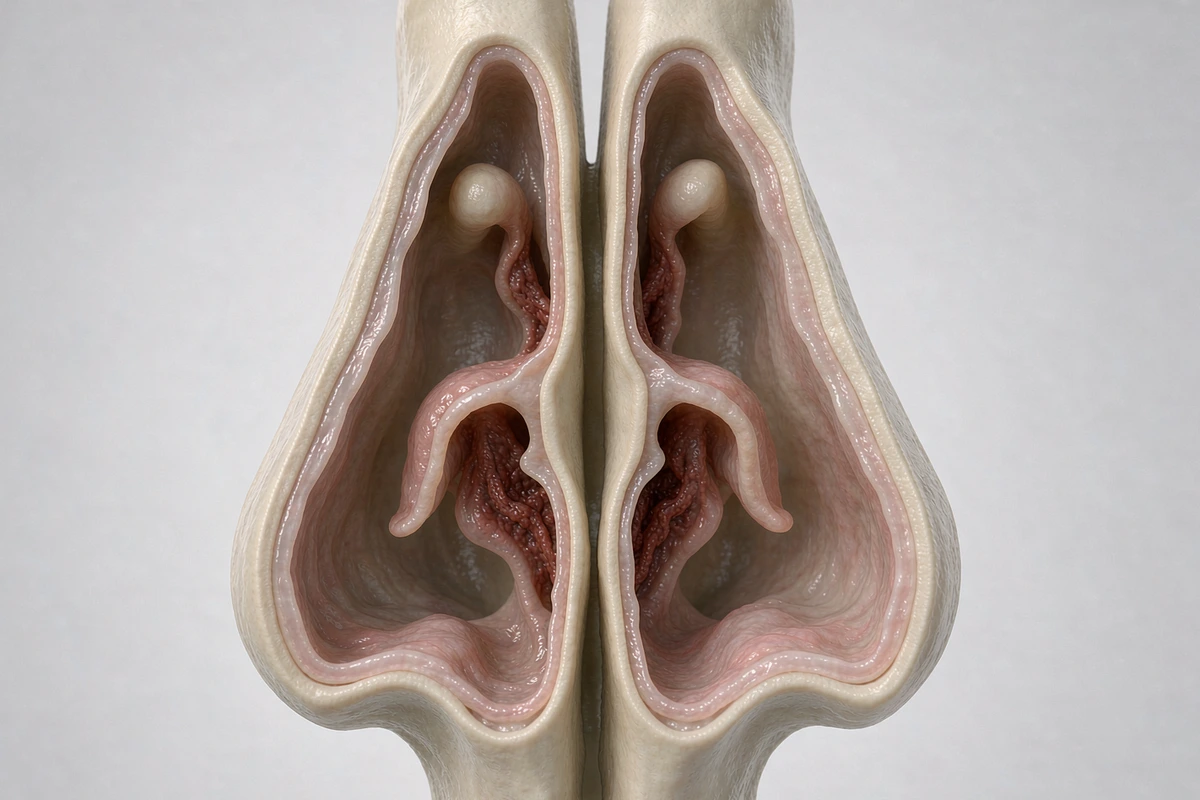
Illustrative view of the nasal cycle: one side may temporarily carry less airflow while the other stays relatively open.
It's normal for one nostril to carry less airflow than the other at certain times. This happens because the tissues inside your nose naturally alternate between slightly swollen and less swollen states.
Most people don't notice these changes. Even when one passage is relatively narrower, enough air can usually move through both sides for comfortable breathing.
At night, however, the difference can become more obvious. Lying down changes the conditions inside your nose, and existing inflammation or narrow nasal passages may make a normal variation in airflow feel like an obstruction.
According to Cleveland Clinic, one-sided nasal congestion is often associated with the nasal cycle, although allergies, inflammation, or structural conditions can also contribute. [1]
A mildly stuffy nostril that alternates between sides is therefore different from one that becomes completely obstructed or remains consistently blocked.
How Does the Nasal Cycle Work at Night?
The nasal cycle is a natural process in which the tissues lining one nasal passage become more congested while the other side becomes relatively more open. These changes occur through swelling and shrinking of blood-rich tissue, particularly around the nasal turbinates.
The cycle continues throughout the day and night. It doesn't start only when you fall asleep, but it may become more noticeable at bedtime.
For example, the left nostril may temporarily carry less airflow while the right side feels clearer. Later, the pattern can reverse without either side being permanently blocked.
The timing varies between individuals and circumstances, so there is no need to expect the nostrils to alternate on an exact schedule.
An important distinction is that the nasal cycle normally changes the balance of airflow rather than completely stopping nasal breathing. If one side repeatedly becomes unusable or your sleep is significantly affected, an additional cause may be contributing.
Why Does One Nostril Get Blocked When Lying Down?

Lying down can make nasal congestion more noticeable because body position influences blood flow and the swelling of nasal tissues.
The turbinates inside your nose contain blood vessels and help warm, filter, and humidify the air you breathe. When those tissues become more swollen, the space available for airflow becomes smaller.
During the day, a relatively narrow nasal passage may still feel comfortable. At bedtime, even a modest increase in swelling can make that same passage feel considerably more restricted.
An ear, nose, and throat specialist at Henry Ford Health explains that increased swelling of the turbinates while lying down can contribute to nighttime obstruction, particularly when other anatomical narrowing is present. [2]
This is one reason people sometimes report that their nose feels clear until their head reaches the pillow.
Why Does Side Sleeping Make One Nostril Feel Blocked?
When you sleep on your side, the nostril closer to the pillow may feel more congested.
The lower nasal passage can experience greater tissue swelling because of positional changes in blood flow. If you already have allergies, irritated nasal tissue, or a relatively narrow passage, the change may be especially noticeable.
For example, sleeping on your left side may make your left nostril feel more restricted. Turning onto your back or changing position may reduce the sensation.
But this isn't a universal rule. People with a deviated septum or another persistent narrowing may find that one side remains worse regardless of which side they sleep on.
The relationship between side sleeping and temporary one-sided congestion is also described in Cleveland Clinic's overview of unilateral nasal obstruction. [1]
Why Does the Blocked Nostril Switch When You Turn Over?
A blocked nostril that changes sides can reflect a combination of the nasal cycle and the effects of sleeping position.
If the lower side becomes more congested, changing position may alter which nostril feels restricted. Meanwhile, the nasal cycle continues independently, so these effects can overlap.
The change is not necessarily immediate. You might notice one side gradually becoming clearer while the other feels stuffier.
This pattern has appeared in user discussions about sleep problems. In an October 2026 Reddit discussion in r/sleep, a user described developing one-sided congestion soon after lying down despite breathing more comfortably during the day. Other participants discussed nasal-cycle changes, possible allergies, and their experiences with nasal strips.
These are personal reports, not medical diagnoses. They illustrate why people often have difficulty distinguishing ordinary positional congestion from a problem that needs further investigation.
Why Is One Nostril Always Blocked at Night?
If one nostril is consistently more blocked than the other, especially over a long period, it is worth considering causes beyond the normal nasal cycle.
A deviated septum can narrow one nasal passage, making it easier for that side to become congested when surrounding tissue swells. Enlarged turbinates, chronic inflammation, nasal polyps, or narrowing near the nasal valve can also interfere with airflow.
Allergic and non-allergic rhinitis may contribute as well. Bedding allergens, dry indoor air, smoke, or other irritants can increase nasal swelling, sometimes making an existing asymmetry more noticeable.
There is no reliable way to diagnose these conditions from the feeling of blockage alone. The pattern can help determine what needs to be examined, but different causes may produce similar symptoms.
What Does Your Nighttime Nasal Blockage Pattern Suggest?
These observations offer clues, not a diagnosis. A clinician may need to examine the nasal passages to distinguish swelling from structural narrowing.
In another October 2026 r/sleep discussion, a user reported that the left nostril consistently became blocked during side sleeping and later mentioned longstanding difficulty breathing through that side. The experience highlights the importance of distinguishing a position-related change from persistent asymmetry.
When Is One-Sided Nasal Congestion a Reason to See a Doctor?
A consistently blocked nostril deserves attention if it persists, worsens, or interferes with normal breathing and sleep.
Consider medical evaluation when the same side remains obstructed, congestion repeatedly wakes you, or symptoms continue despite reasonable measures to reduce irritation and allergens.
Unusual symptoms such as recurrent bleeding from one side, foul-smelling or bloody discharge, significant facial pain, or a new persistent obstruction should also be assessed.
If you experience loud snoring with witnessed breathing pauses, gasping during sleep, or substantial daytime sleepiness, ask about evaluation for a sleep-related breathing disorder.
A nasal strip may provide temporary comfort for some people, but it should not delay investigation of persistent or concerning symptoms.
| What you notice | Possible explanation | What to consider |
|---|---|---|
| Congestion alternates between nostrils | Normal nasal cycle, sometimes more noticeable with swelling | Observe whether breathing remains comfortable and symptoms settle |
| The lower nostril blocks during side sleeping | Positional changes in nasal tissue swelling | See whether changing position affects airflow |
| Nose is clear during the day but blocked when lying down | Positional congestion, rhinitis, or underlying narrowing | Review nighttime triggers and seek advice if persistent |
| The same nostril is repeatedly blocked | Possible septal deviation, turbinate enlargement, or another localized issue | Arrange a medical evaluation if the pattern continues |
| Blockage occurs with itching, sneezing, or a runny nose | Possible allergic or inflammatory rhinitis | Discuss appropriate allergy or nasal care with a clinician |
| Nasal blockage occurs with choking, witnessed breathing pauses, or marked daytime sleepiness | Possible sleep-related breathing disorder | Seek assessment rather than relying on nasal strips |
Can Nasal Strips Help With One Blocked Nostril?

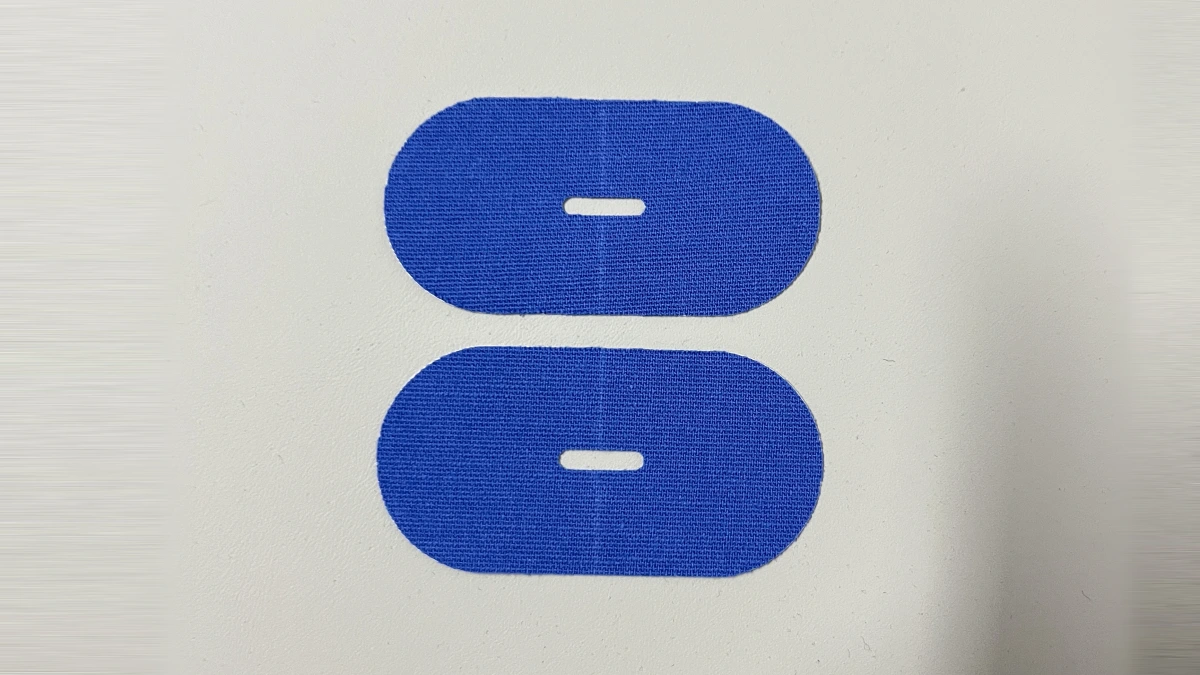
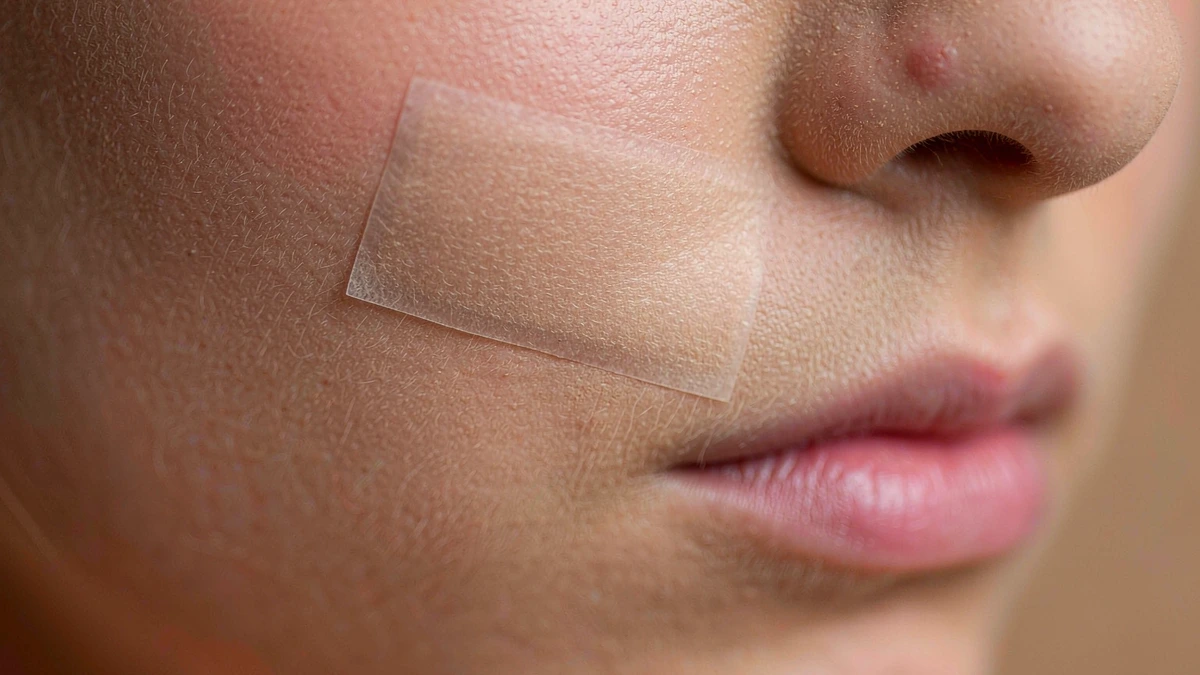
Nasal strips may help certain people breathe more comfortably through the front part of the nose, especially when the nasal valve area contributes to airflow resistance.
An external nasal strip uses a flexible support structure across the bridge and sides of the nose. Its restoring force gently lifts the nasal sidewalls outward, potentially increasing the space available for air to pass through the nasal valve region.
This is different from treating swollen tissue deeper inside the nose.
A strip cannot stop the nasal cycle, correct a deviated septum, or directly treat allergic inflammation. As a result, someone whose congestion comes mainly from swollen turbinates may experience less benefit than someone whose nasal sidewalls narrow during breathing.
Evidence from a systematic review of mechanical nasal dilators supports their potential effect on nasal valve airflow in selected circumstances. However, that does not mean every user with nighttime congestion will experience the same benefit. [3]
When Might a Nasal Strip Help, and When Is It Not Enough?
A nasal strip may be worth considering when you notice restriction near the entrance to the nostrils, particularly if the nasal sidewalls appear to narrow during inhalation.
For some people, external support makes nasal breathing feel easier. The benefit depends on the individual anatomy and the actual source of resistance.
It is less likely to address the underlying problem when congestion is primarily caused by nasal inflammation, significant swelling, or a blockage farther inside the nasal passage.
Nasal strips also should not be presented as a treatment for obstructive sleep apnea. A systematic review and meta-analysis of nasal dilators in sleep-disordered breathing found insufficient evidence to recommend them as standalone treatment for sleep-disordered breathing, although selected individuals may experience symptomatic benefit. [4]
For users, the practical question is whether a nasal strip provides comfortable external airflow support—not whether it can treat every possible cause of nighttime obstruction.
How to Stop One Nostril From Being Blocked at Night
There isn't one solution that works for every type of nighttime nasal congestion. What helps depends on whether the main issue is temporary swelling, environmental irritation, an anatomical narrowing, or another condition.
If you notice that congestion changes with position, begin by observing how you sleep and whether a different comfortable position reduces the obstruction. Some people find that keeping the head slightly elevated makes nighttime nasal breathing easier.
Bedroom conditions may also matter. Dust mites, pet dander, dry air, and other irritants can aggravate susceptible nasal passages. Regular bedding care and reducing known triggers may help when allergies or environmental irritation are involved.
Saline nasal spray can be useful for some people, particularly when dryness or mucus is contributing to discomfort. If you use a nasal rinse, follow its safety instructions and use distilled, sterile, or previously boiled and cooled water.
Cleveland Clinic's guidance on nighttime nasal congestion discusses measures such as allergen reduction, saline care, bedroom humidity, and appropriate medical assessment when symptoms continue. [5]
What If Simple Changes Don't Help?
When congestion continues despite changes to sleeping position or bedroom conditions, the next step is identifying the underlying cause.
Allergic inflammation may require a different approach from structural nasal narrowing. A healthcare professional can evaluate whether treatments such as an appropriate nasal spray are suitable and whether specialist examination is needed.
Be particularly cautious about repeatedly using medicated decongestant sprays for nighttime relief. Using some products beyond their recommended duration can cause rebound congestion, making the original problem harder to manage.
If nasal breathing remains difficult and you frequently wake with a dry mouth, headaches, or poor-quality sleep, do not assume that another nasal strip or a different sleeping position will solve everything.
Likewise, mouth taping should not be used to force nasal breathing when your nose is significantly obstructed.
The goal is to understand why the blockage occurs and choose a response that fits the cause.
Choosing Nasal Strip Designs for Overnight Comfort
For brands developing nasal strips for sleeping, overnight comfort involves more than simply choosing a strong adhesive.
A strip needs an appropriate balance of flexible support, fit, and skin contact. The shape should suit the intended nasal bridge and sidewall area, while the material should remain comfortable during movement and extended wear.
Adhesive performance matters because the strip must stay attached under the intended conditions without making removal unnecessarily uncomfortable. A product that holds firmly but is difficult to remove may create a poor user experience, especially for people who wear nasal strips regularly.
Athena offers custom nasal strip solutions, including options for materials, support structures, dimensions, shapes, and packaging. These choices allow skincare and wellness brands to develop product concepts for different wearing conditions, including nighttime use.
For an overnight nasal strip line, sample evaluation can focus on how the strip conforms to different nose shapes, whether its support remains comfortable, whether the edges stay attached, and how the adhesive behaves during removal.
These design considerations are relevant to comfort and external airflow support. They do not establish that a finished product treats persistent one-sided nasal obstruction or a sleep disorder.
A product intended for nighttime users should be described according to its actual function, with instructions and claims that reflect the evidence available for the finished design.
Frequently Asked Questions
Can One Nostril Be Blocked Without Mucus?
Yes. Nasal congestion does not always mean excess mucus. Swelling of the turbinates or narrowing of a nasal passage can restrict airflow even when your nose is not runny. Persistent blockage should be evaluated if the cause is unclear.
Why Is My Nose Clear During the Day but Blocked at Bedtime?
Lying down may increase swelling inside the nose and make a relatively narrow passage more noticeable. Allergens in bedding, dry air, or existing nasal inflammation may also contribute. If it happens regularly, consider discussing the pattern with a healthcare professional.
Can Allergies Make One Nostril Feel More Blocked?
Yes. Allergies can increase swelling inside the nose, making the normal nasal cycle or an existing difference between the two passages more noticeable. Allergy-related congestion may also be accompanied by sneezing, itching, or a runny nose, although symptoms vary.
Can Nasal Strips Stop the Nasal Cycle?
No. The nasal cycle is a normal physiological process controlled by changes in nasal tissue swelling. External nasal strips mechanically support the front part of the nose; they do not stop the cycle or treat its underlying regulation.
When Should Persistent One-Sided Nasal Blockage Be Checked?
Seek medical advice when one nostril remains consistently blocked, symptoms worsen, or the problem regularly disrupts sleep. Recurrent bleeding, unusual discharge, significant facial pain, or symptoms suggesting sleep apnea warrant further evaluation.
Final Thoughts
One nostril becoming more congested at night can reflect the normal nasal cycle and changes in nasal tissue swelling while lying down. But persistent blockage on the same side, worsening symptoms, or repeated sleep disruption may indicate a problem that deserves medical attention.
The most useful next step is to observe whether congestion changes with position, identify possible irritants or allergy triggers, and seek evaluation when symptoms do not settle. Nasal strips may provide external airflow support for certain users, but they are not a substitute for understanding the cause.
For brands developing nighttime breathing products, fit, flexible support, adhesive performance, and comfortable removal are practical considerations. Athena's custom nasal strip solutions offer options for discussing material selection, strip dimensions, sample requirements, and packaging configurations.
References
Cleveland Clinic. Why Do I Sometimes Get Congested in One Nostril? October 6, 2023. Explains the nasal cycle, side sleeping, and possible causes of persistent one-sided congestion. https://health.clevelandclinic.org/why-do-i-sometimes-get-stuffy-in-one-nostril
Henry Ford Health. Why Your Nose Is Stuffy at Night (And How to Fix It). June 3, 2026. Discusses nighttime turbinate swelling, sleeping position, anatomical narrowing, and practical management. https://prod-cd.henryford.com/blog/2026/06/why-your-nose-is-stuffy-at-night
PubMed. A Comparison of Over-the-Counter Mechanical Nasal Dilators: A Systematic Review. Reviews the mechanisms and available objective evidence for mechanical nasal dilators. https://pubmed.ncbi.nlm.nih.gov/27367589/
PubMed. Clinical Effectiveness of Nasal Dilators in Sleep-Disordered Breathing: A Systematic Review and Meta-Analysis. Evaluates nasal dilators and their limitations as treatment for sleep-disordered breathing. https://pubmed.ncbi.nlm.nih.gov/41487318/
Cleveland Clinic. Why Does My Nose Get Stuffy at Night? Discusses nighttime nasal congestion, environmental factors, home-care approaches, and medical evaluation. https://health.clevelandclinic.org/why-does-my-nose-get-stuffy-at-night