Why Are Some Nasal Strips Better Than Others? Materials, Adhesion and Design Explained
Date:2026-07-31
Read:96
source: Zoey
Quick Answer
Not all nasal strips are designed the same way. Differences in adhesive performance, support structure, material selection, and product design can affect how well a nasal strip stays in place, how comfortable it feels, and how suitable it is for different applications.
A high-quality nasal strip needs to balance three key factors: reliable adhesion, comfortable wear, and consistent performance. These factors determine whether a nasal strip can provide a stable wearing experience during sleep, sports activities, or daily use.
Are All Nasal Strips the Same?
At first glance, most nasal strips look similar. They are usually placed across the bridge of the nose and designed for external nasal support. However, the actual product structure, materials, and performance characteristics can vary significantly between different products.
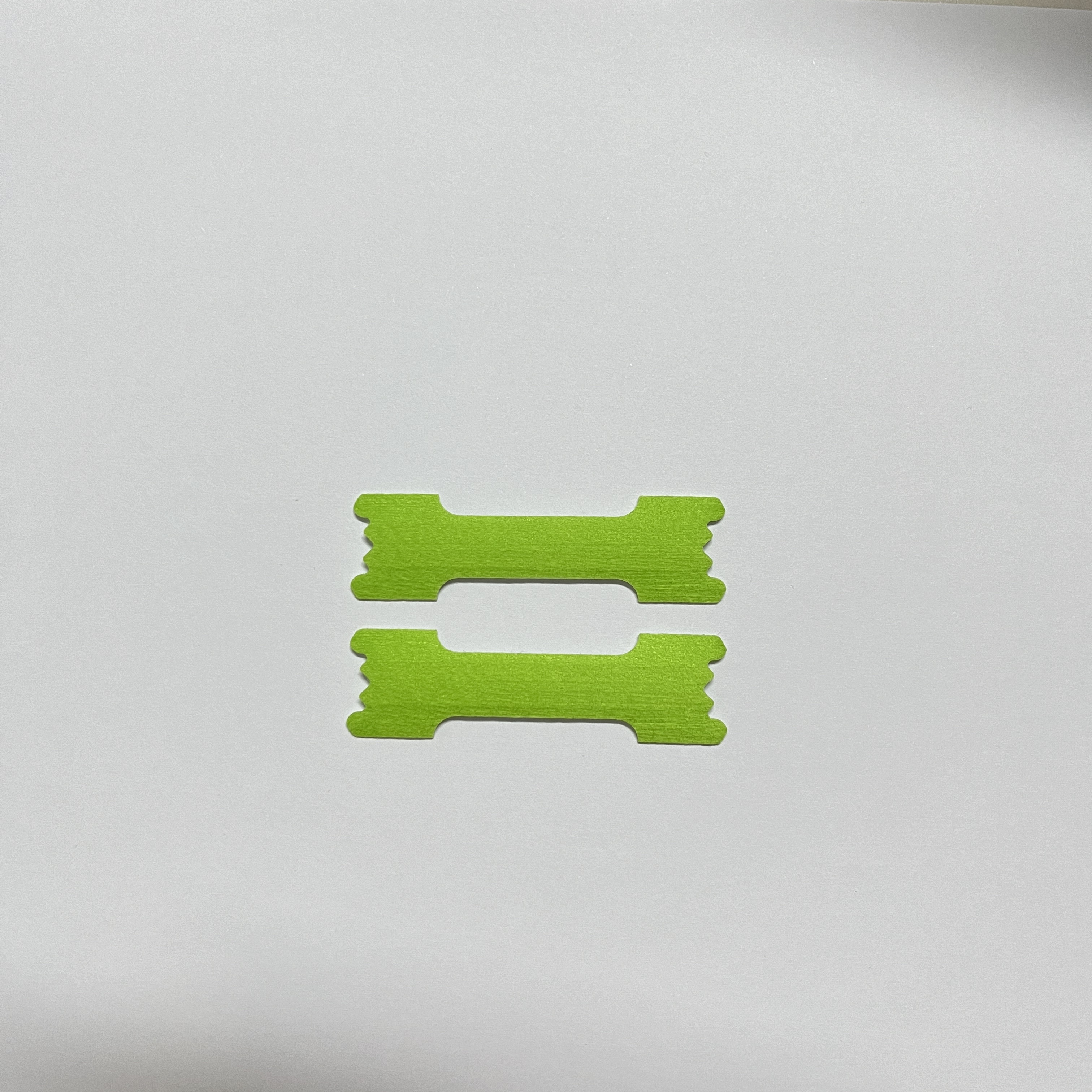
The differences are usually related to:
adhesive formulation
support strip structure
backing material
product shape and size
intended application scenario.
A nasal strip designed for overnight sleep may focus more on long-lasting comfort, while a sports nasal strip may require stronger attachment and better resistance to sweat.
This is why two nasal strips with a similar appearance may provide different experiences in terms of:
how well they stay attached
how comfortable they feel
how easily they can be removed
how suitable they are for specific users.
What Makes Some Nasal Strips More Effective?
When users ask why some nasal strips work better than others, they are usually comparing the overall experience rather than only one feature.
The performance of a nasal strip depends on how different components work together, including the support structure, adhesive system, and material design.
Support Structure and Lifting Performance
The support component is one of the key elements that affects how a nasal strip functions.
A nasal strip needs enough flexibility to follow the shape of the nose while maintaining sufficient support during use.
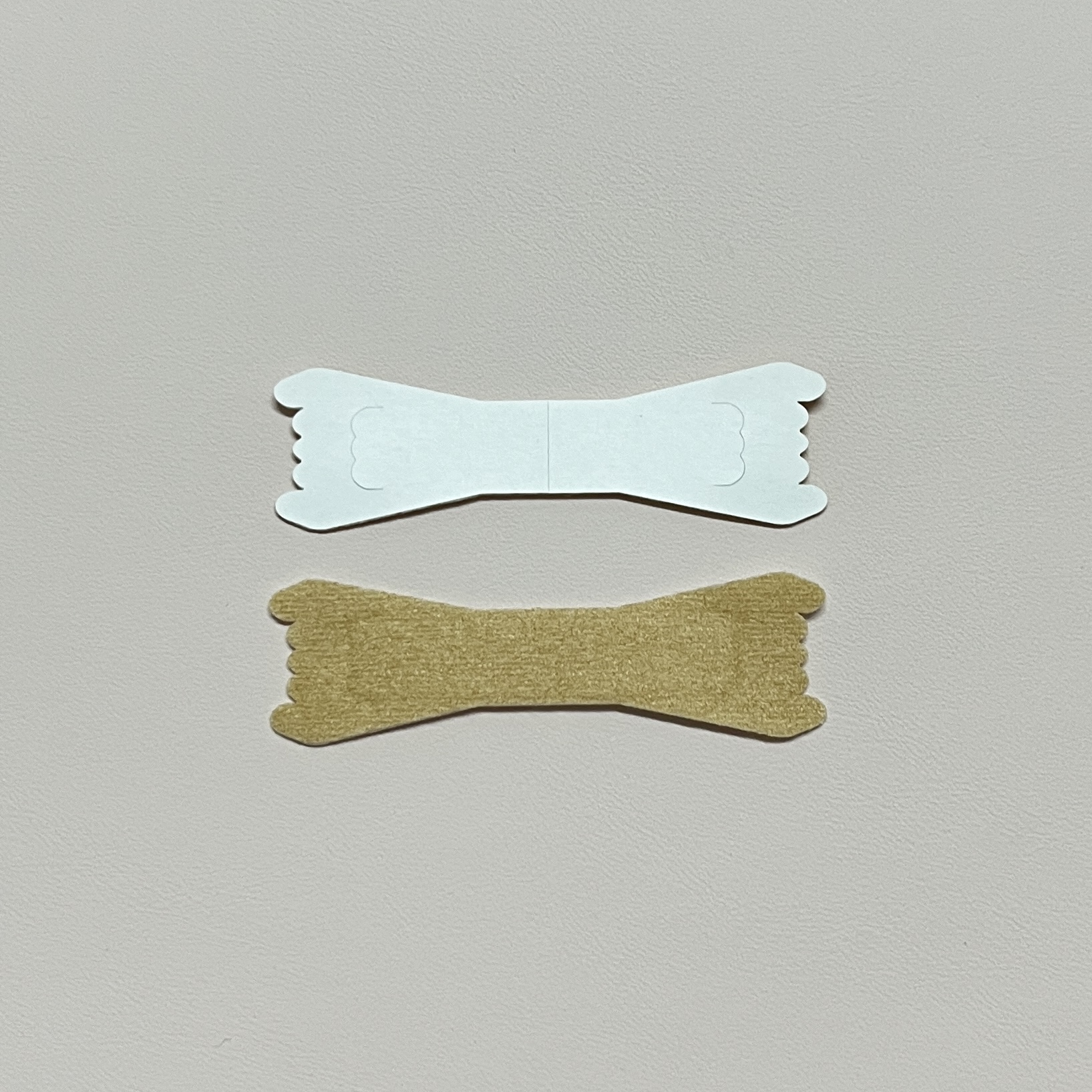
If the support structure is too rigid:
it may feel uncomfortable during wear
it may not fit different nose shapes well.
If it is too flexible:
the supporting effect may be reduced
the product may not maintain its intended performance.
A well-designed nasal strip balances:
flexibility
support force
comfort during extended wear.
For different applications, manufacturers may adjust the structure according to the intended use, such as sleep, sports, or daily breathing support.
How Does Adhesive Affect Nasal Strip Performance?
Adhesion is one of the most important factors influencing the user experience.
A nasal strip must remain securely attached during use, but the adhesive should also provide comfortable skin contact and easy removal.
A suitable adhesive system needs to balance:
Reliable Holding Strength
A nasal strip with insufficient adhesion may:
loosen during sleep
lift at the edges
lose contact during exercise or sweating.
Stable adhesion helps maintain consistent wearing performance.
Skin Comfort
Adhesive strength alone does not determine product quality.
A strong adhesive that creates excessive pulling force during removal may reduce user comfort.
For daily or overnight products, brands often pay close attention to:
skin-friendly adhesive options
wearing duration
removal experience.
Removal Experience
A good nasal strip should provide secure attachment while still allowing comfortable removal.
The adhesive system needs to consider:
bonding strength
skin contact
application environment
expected wearing time.
This balance is especially important for products designed for repeated use. how to choose a nasal strip for your needs
Why Do Materials Matter in Nasal Strip Design?
The materials used in a nasal strip directly influence comfort, appearance, flexibility, and overall performance.
A nasal strip is usually composed of multiple functional layers, and each layer contributes to the final product experience.
Backing Material
The backing layer affects:
flexibility
softness
breathability
wearing comfort.
For products used overnight, a comfortable backing material can help improve the long-term wearing experience.
For sports applications, the material may need to better handle movement and moisture exposure.
Adhesive Layer
The adhesive layer determines how the product interacts with the skin.
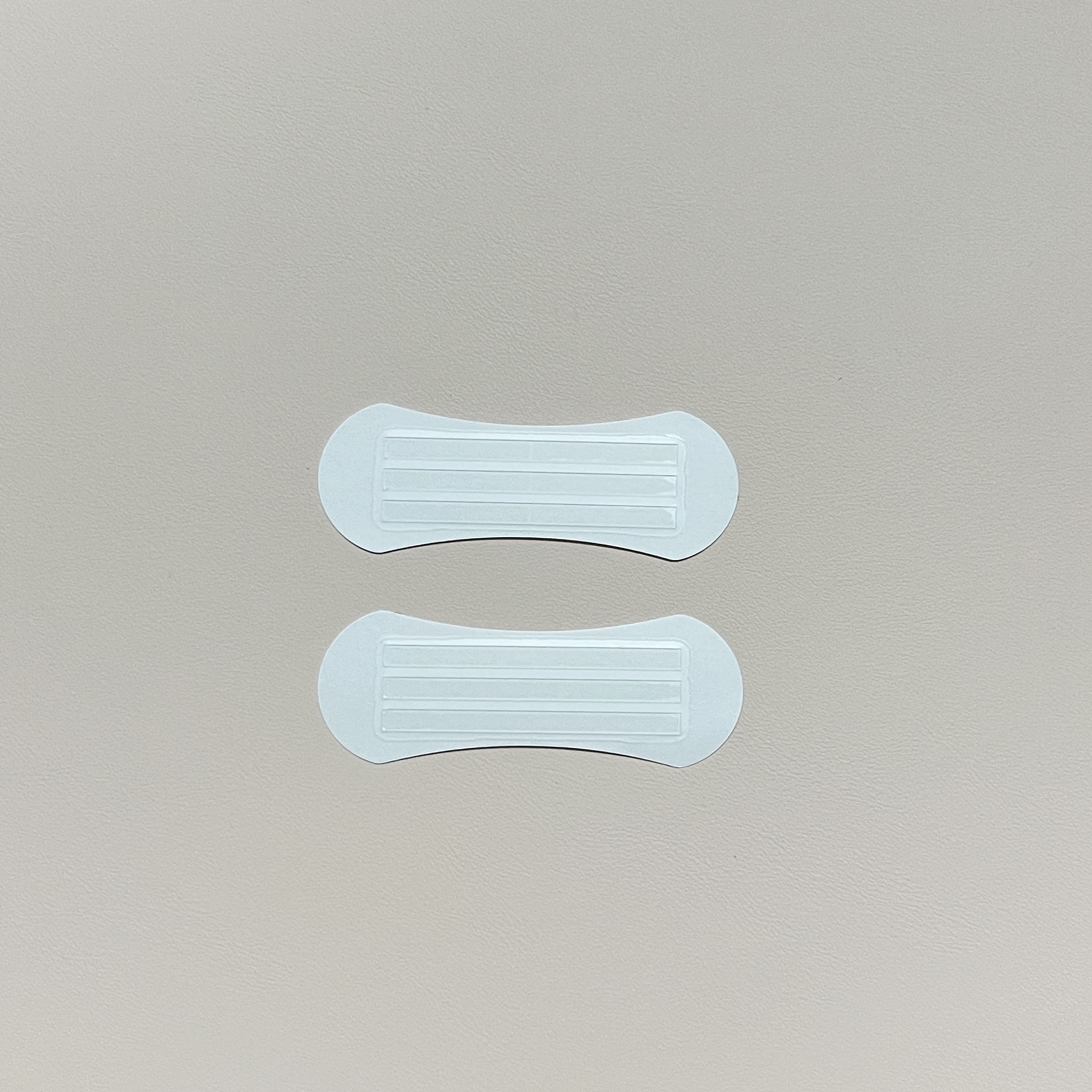
Important considerations include:
adhesion stability
skin compatibility
removal comfort.
Different target markets may require different adhesive solutions.
For example:
sensitive-skin products may prioritize gentle skin contact
sports products may require stronger attachment performance.
Support Component
The support component influences:
structural strength
flexibility
product feel.
The right combination of support and flexibility helps create a balanced user experience.
How Does Nasal Strip Design Influence Comfort and Performance?
Beyond materials, the overall product design also affects how users experience a nasal strip.
Several design factors should be considered.
Shape and Fit
A nasal strip needs to fit different nose shapes while maintaining stable contact.
Design considerations include:
strip dimensions
curved structure
placement area
contact surface.
A suitable shape helps improve comfort and reduce unnecessary pulling on the skin.
Size Options
Different users may have different needs.
For example:
standard daily-use designs
larger coverage designs
sports-focused designs.
Offering different specifications allows brands to develop products for different market segments.
Application Scenario
The ideal nasal strip design depends on how the product will be used.
Sleep Applications
Important factors:
comfortable overnight wear
stable adhesion
gentle removal.
Sports Applications
Important factors:
secure attachment
sweat resistance
movement stability.
Daily Wellness Applications
Important factors:
comfort
appearance
ease of use.
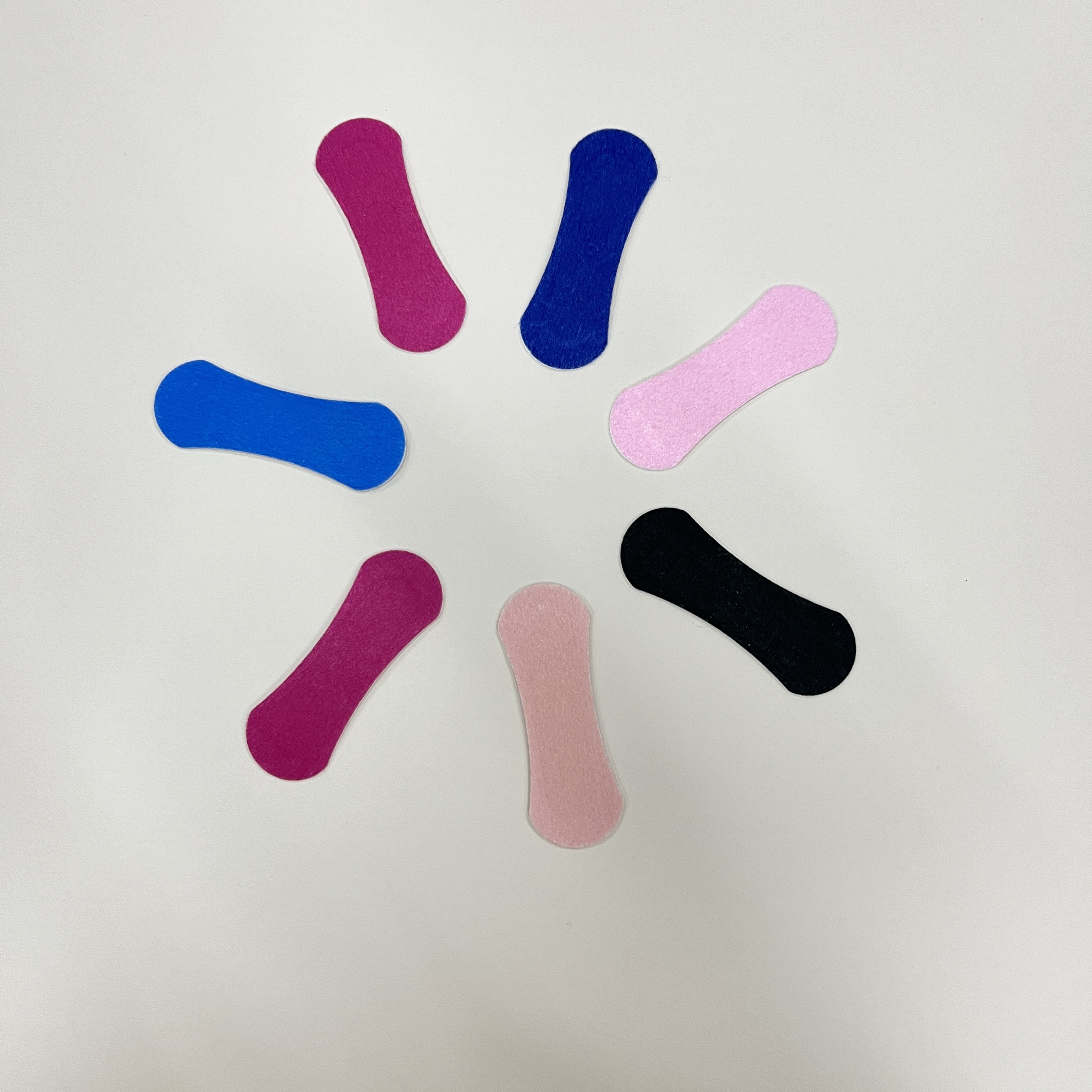
A successful nasal strip product is usually developed around a specific user scenario rather than using one design for every purpose. sleep-specific nasal strip options
What Should Brands Consider When Developing Custom Nasal Strips?
For brands entering the sleep, wellness, or sports market, choosing the right product specifications is an important part of product development.
Before developing a custom nasal strip, brands should consider:
Target Application
The intended market affects product requirements.
Examples:
sleep support products
sports performance accessories
daily wellness products.
Each application may require different priorities for adhesion, comfort, and design.
Material Selection
Brands need to evaluate:
adhesive options
backing materials
support structure
skin contact requirements.
Material selection directly influences product positioning and user experience.
Manufacturing Capability
A reliable manufacturing partner should be able to support:
product customization
sample development
material evaluation
quality consistency during mass production.
For private label and OEM projects, product performance depends not only on the final appearance but also on the engineering decisions behind the product.
Athena supports custom nasal strip development by helping brands evaluate materials, design requirements, and manufacturing solutions for different applications. custom nasal strip OEM capabilities
FAQ
Are all nasal strips the same?
No. Nasal strips can differ in adhesive performance, materials, support structure, and design. These differences can affect comfort, stability, and overall user experience.
What makes nasal strips more effective?
The performance of a nasal strip depends on multiple factors, including support structure, adhesive quality, material selection, and product fit.
Why do some nasal strips stick better than others?
Different adhesive formulations, skin contact conditions, and product designs can affect how well nasal strips stay attached.
What adhesive is used for nasal strips?
Nasal strips typically use skin-contact adhesive systems designed to balance secure attachment and comfortable removal.
What should I consider when choosing a nasal strip?
Consider the intended application, wearing comfort, adhesion performance, material suitability, and whether the product matches your specific needs.
Conclusion
The difference between nasal strips is not only about appearance. Materials, adhesive systems, support structures, and product design all influence how a nasal strip performs.
A well-designed nasal strip needs to balance secure attachment, comfortable wear, and consistent performance for its intended application.
For brands developing custom nasal strips, understanding these factors is essential for creating products that match specific markets, from sleep and wellness to sports applications.
Sections
11 August 2026
The best nasal strips for athletes in 2026 prioritize sweat resistance, stable edges, fit and comfort—not unsupported promises of improved performance.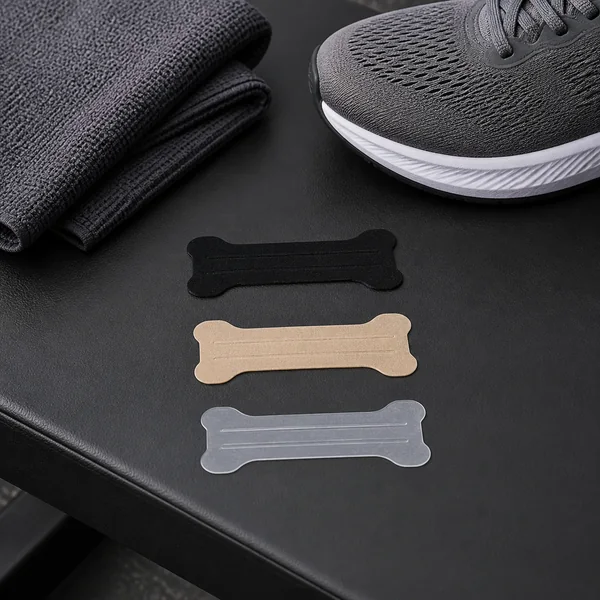 Read More
20 July 2026
When you wear nasal strips, the first thing that happens is not deep inside the airway. It starts on the surface of the nose. The adhesive holds the strip on the skin, while the flexible support layer creates a light outward pull on the sides of the nose. For some users, this can make the front nasal passage feel more open soon after application. For others, the difference may feel small. Some users may notice peeling edges, tightness, red marks, or adhesive residue after removal. This article explains what actually happens when nasal strips are worn, why the experience feels different from person to person, and what these reactions mean for brands developing custom nasal strips. Read More